
Last updated November 16, 2026
 Sweep & inspection
 Caps & crowns
 Flue relining
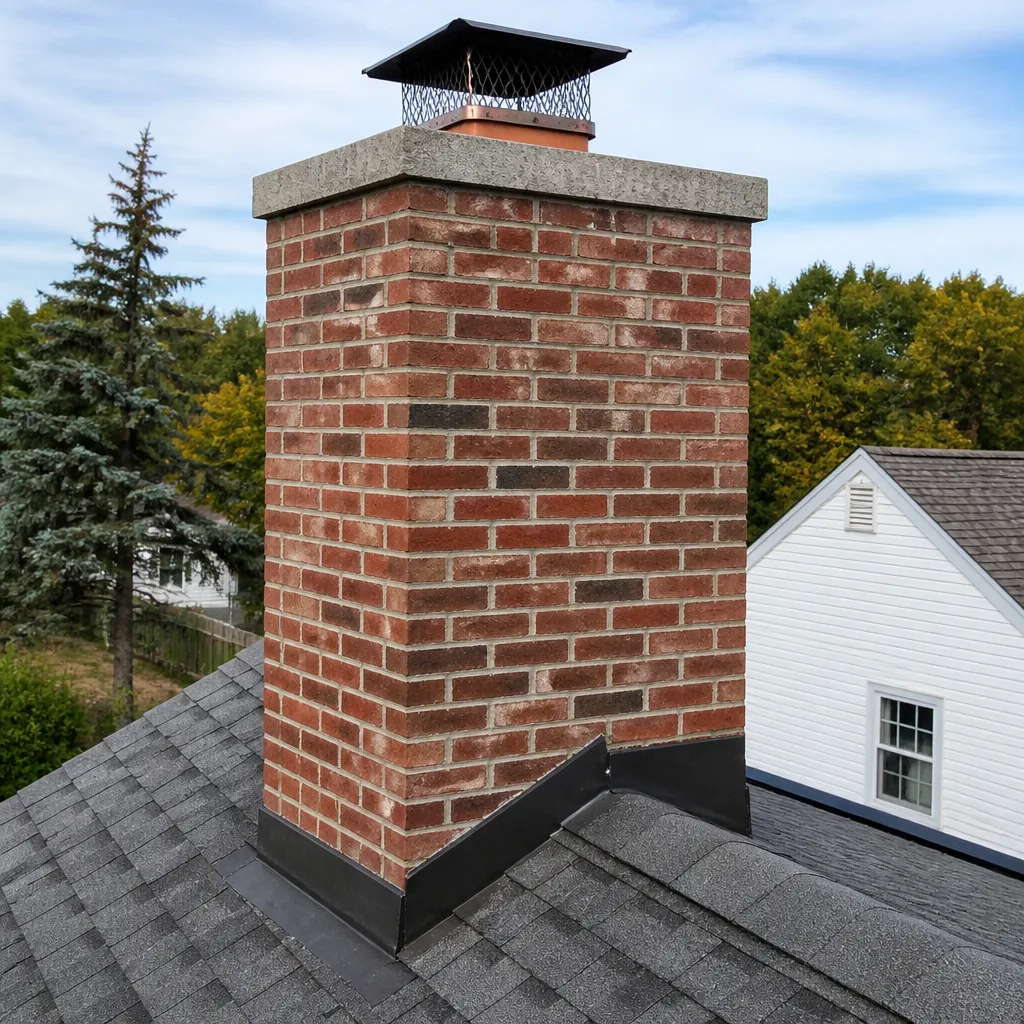 Masonry repair
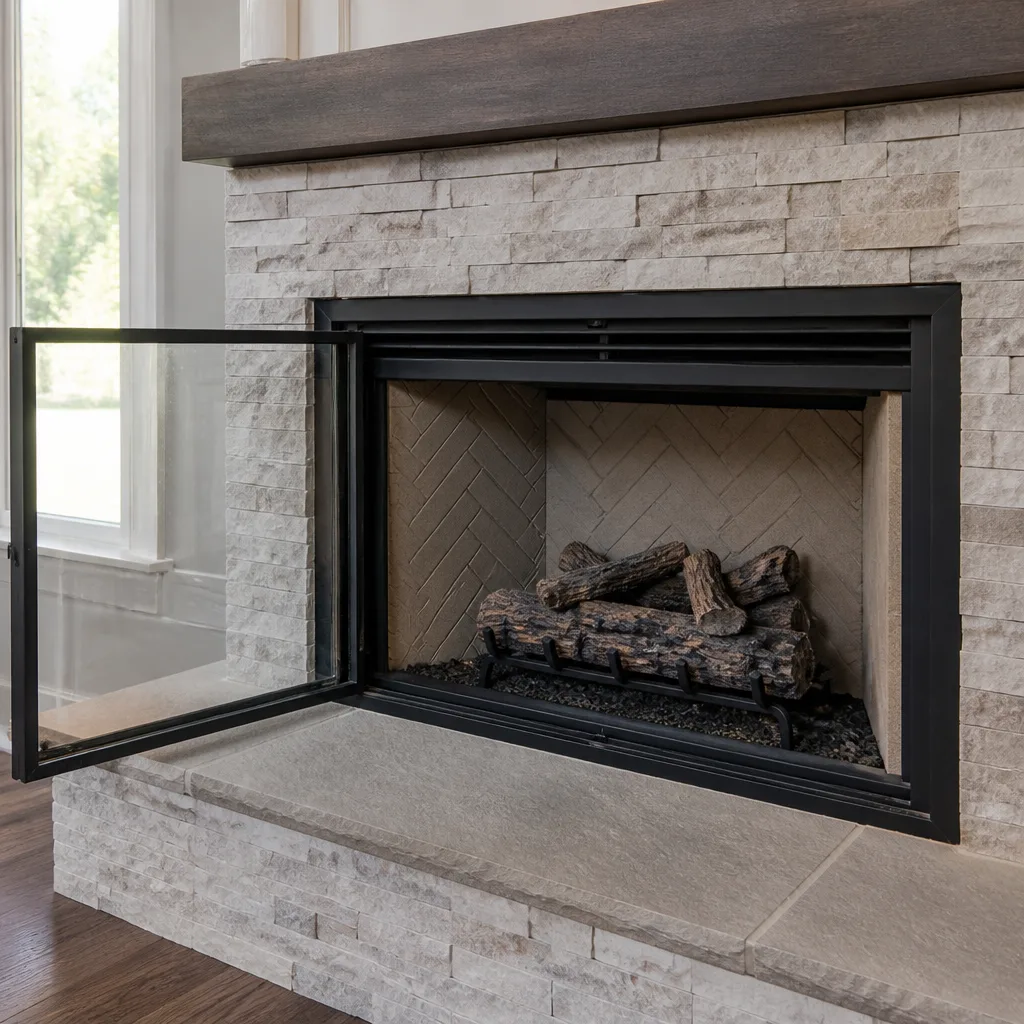 Gas fireplace service
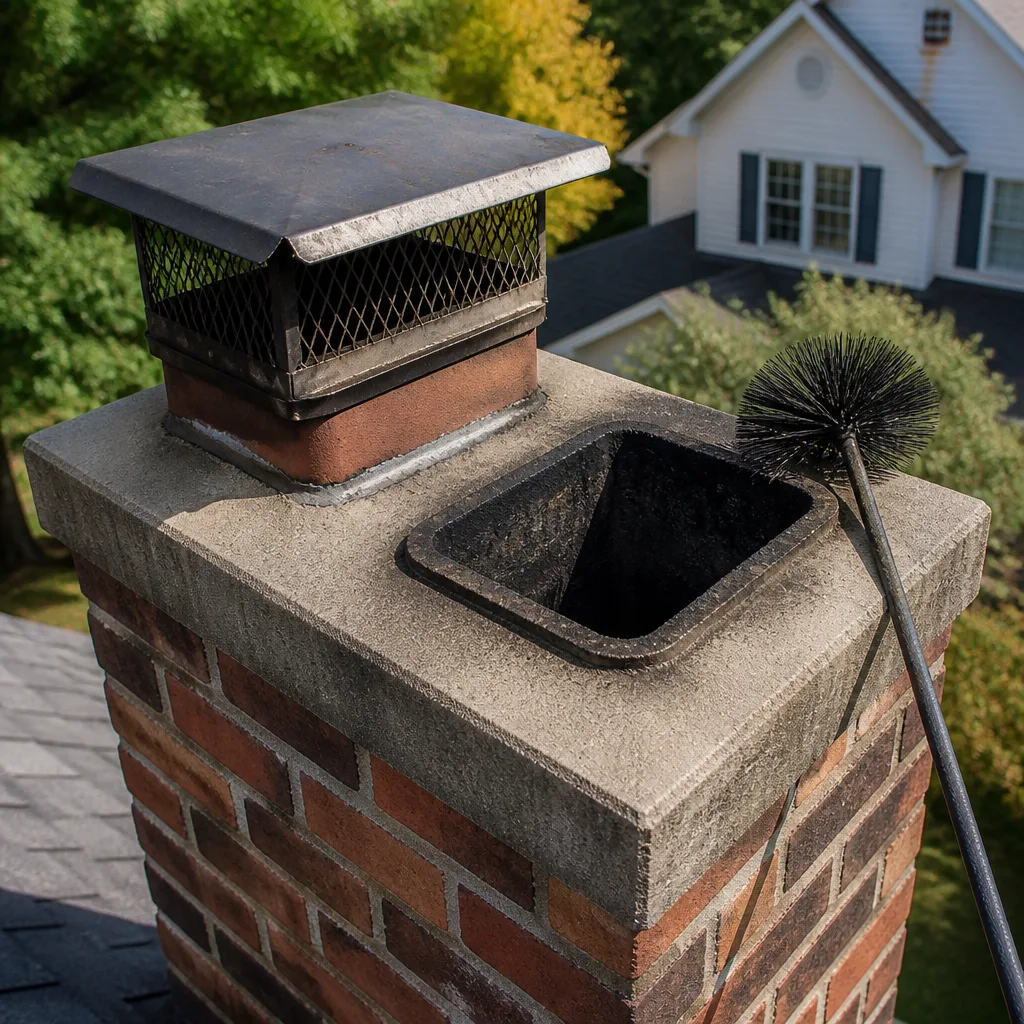
Level 1 sweep and inspection to the NFPA 211 annual standard - flue, crown, cap, and flashing checked and photographed
Chimney sweep logs do not sweep chimneys. They loosen some creosote - which then falls where a brush and vacuum still have to collect it.
Seasonal Chimney Cleaning Care for Wilmington: Year-Round Homeowner’s Guide
October isn’t when Wilmington chimney problems start. It’s when they get discovered. The moisture damage, the animal intrusion, the debris blockages that turn a first fall fire into a smoky, unsafe mess were all building since spring, while the fireplace sat cold and nobody looked up the flue. A chimney is not a seasonal appliance. It’s an exterior structure attached to your house, and in a climate with humid summers and tropical weather systems moving through, it takes on water, invites nesting, and sheds material year-round. This guide maps chimney care to Wilmington’s actual calendar, quarter by quarter, so you know what to watch for in January, in July, and in the weeks before hurricane season. What you’ll learn is how the off-season works against your chimney, and what a well-timed sweep or inspection changes.
Quick Answer
Chimney care in Wilmington is a four-season job, not a fall ritual. Sweep after your last burn of the season, inspect and waterproof before the summer humidity peaks, clear the cap and crown ahead of hurricane season, and book a September sweep so you’re ready before the first cold snap rather than waiting in the November rush. Moisture control, debris clearing, and animal exclusion are the three jobs that never leave the schedule, whether or not you burn a single fire.
Styles & brands we work with
- Sweep & inspection
- Caps & crowns
- Flue relining
- Masonry repair
- Gas fireplace service
Table of Contents
- What Happens Inside a Wilmington Chimney During the Off-Season
- Spring Tasks After Burn Season
- Summer and Early Fall: Before Hurricane Season and the First Fire
- Why Schedule a Sweep in September, Not November
- Winter Priorities for an Active Fireplace
- How to Winterize a Chimney You Won’t Use This Season
- The Annual Inspection: What It Covers and When It’s Due
- Seasonal Warning Signs Homeowners Miss
What Happens Inside a Wilmington Chimney During the Off-Season
A chimney that’s not in use is not a chimney at rest. From April through September, three processes work on it quietly. The first is moisture cycling. Warm humid air moves through the open flue, condenses on cooler masonry at night, and soaks into the brick and mortar. When the sun heats the exterior the next day, that moisture expands and pushes outward, then contracts again after dark. Repeat that cycle for a hundred summer days and the mortar joints begin to crumble. That’s spalling: the face of the brick flakes off, sometimes in thin sheets, sometimes in chunks, and the chimney above the roofline grows more absorbent with each passing season.
The second process is nesting. A cap without a screen is an open doorway, and in a region of mature pines, live oaks, and long leaf season, birds, squirrels, and raccoons find it. Raccoons in particular treat a chimney like an empty hollow tree. Nesting material, droppings, and young animals trapped inside are common by midsummer. The third is debris fall. Leaves, twigs, and half a season of pine straw settle onto the smoke shelf and damper ledge, sometimes all the way down to the firebox floor, and by fall the flue no longer drafts cleanly.
None of this announces itself. There’s no smell in June and no alarm in July. The only reliable way to catch early spalling, an animal nesting in the flue, or a partial debris blockage is to chimney sweep and inspect while the chimney is out of use. If you have a gas insert, the off-season matters just as much. Inserts vent differently than open fireplaces, and a blocked or deteriorated flue doesn’t care whether the heat source is wood or gas. The risks are carbon monoxide, backdraft, and rust on metal venting rather than creosote, but the seasons run the same clock.
Spring Tasks After Burn Season
Spring is when the deferred damage happens, and when the cheapest fix is still available. Once the last fire of the season burns out and the firebox cools, the chimney’s job changes from containing heat to surviving a humid summer. The work you do in April and May, in order of priority:
- Sweep before you close up. Creosote left in the flue all summer absorbs moisture, hardens, and turns into a scrub-resistant glaze that’s harder to remove in September. A spring sweep removes it while it’s still friable, and it lets you inspect the flue with a clean, unobstructed view.
- Get the inspection. A camera inspection in spring sees what a fall inspection cannot: fresh moisture damage, early crown cracks, spalling brick faces, and the first signs of a failing flue liner. Catching a liner issue in May gives you a whole season to schedule the repair without pressure.
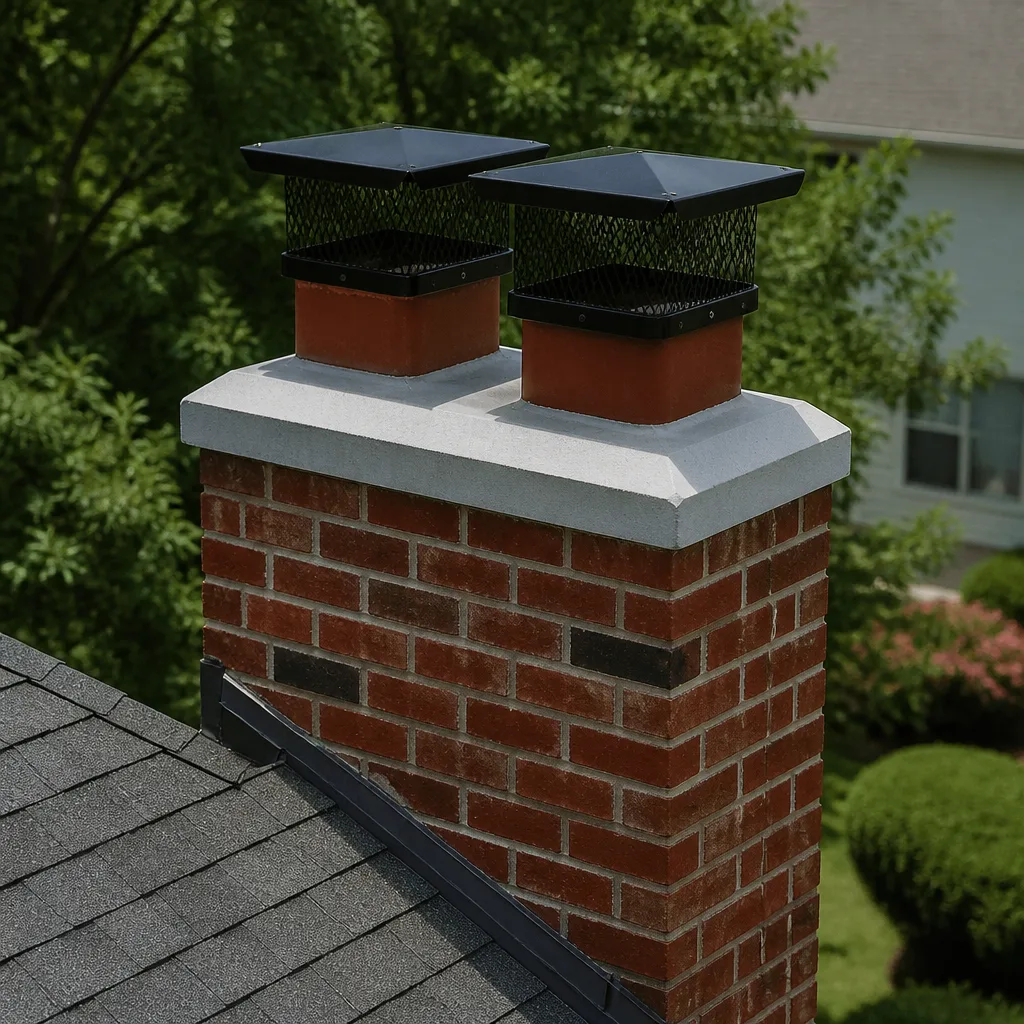
- Check the cap and screen. Look up. A damaged cap or a screen with a hole in it welcomes animals all summer. A screen that’s still intact in May is doing its job; one that isn’t is the reason you’ll sweep a raccoon nest out in October. A proper cap is also your first defense against rain driving down the flue during the summer storms that roll through the Cape Fear region.
- Close the damper and seal the firebox. A closed damper and a sealed-off firebox prevent humid summer air from moving up into the flue and condensing on cooler masonry. If your damper doesn’t seat flush anymore, that’s a repair to note now, not in November.
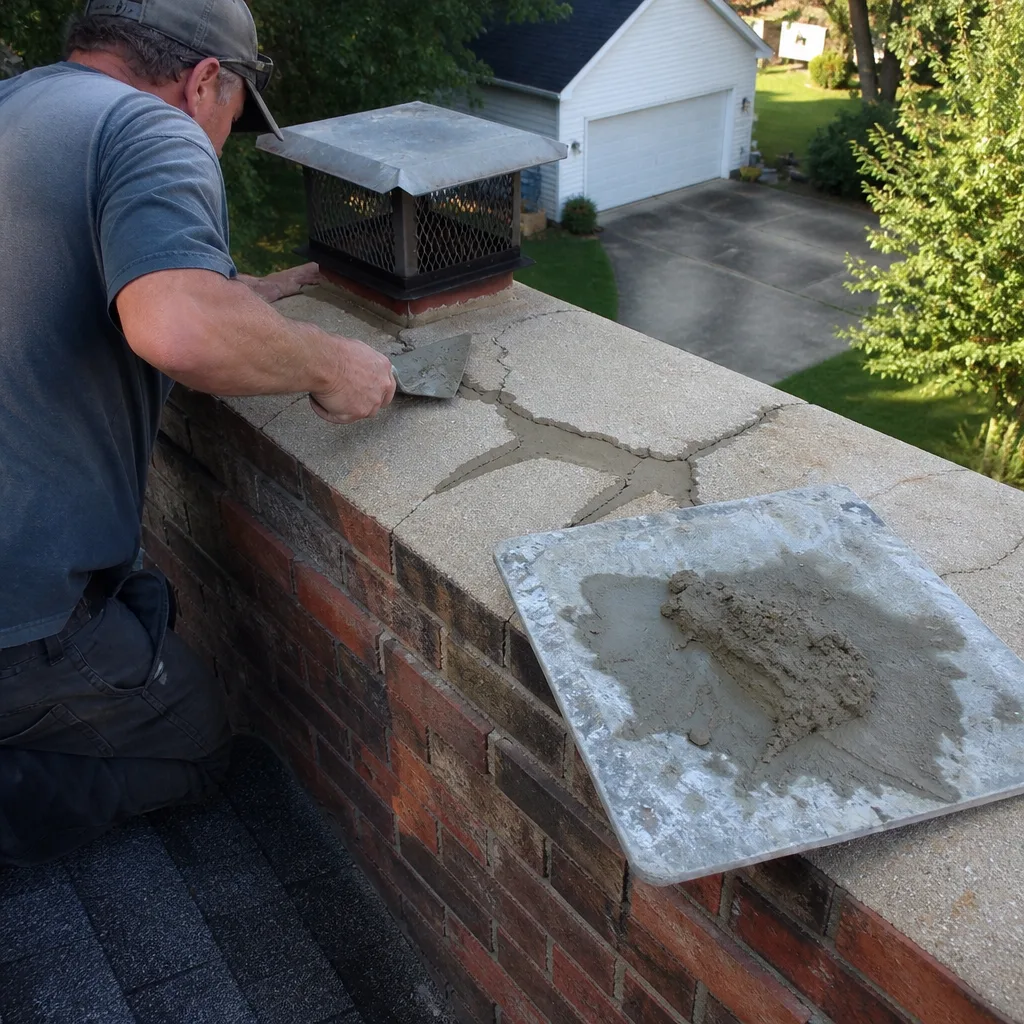
- Look at the crown. The crown is the concrete or mortar slope on top of the chimney that sheds water away from the flue. A cracked crown is your chimney’s main leak point, and spring is when cracks are small.
Wet spring months are also when masonry absorbs the most rain, so the earlier you sweep, inspect, and close up, the less water the chimney has to hold through its humid season.
Summer and Early Fall: Before Hurricane Season and the First Fire
Summer is the season when the chimney takes the most abuse and gets the least attention. That’s backward. Before the peak of hurricane season and before the first fire, these are the summer and early fall tasks worth putting on the calendar.
Clear the top of the chimney. Storm season in coastal North Carolina means wind-driven rain, debris, palm fronds, and pine limbs. A chimney cap takes a beating. Check that the cap is attached, that the screen is intact, and that no branch is resting on or against the flue termination. A limb lying across the top of a chimney during wind-driven rain is its own problem, and it’s one worth solving before the first tropical system.
Watch for water staining after every big rain. Water stains on the firebox floor, on the smoke chamber shelf, or on ceiling plaster near the chimney chase are all signs water is getting in. After a heavy rain, a fireplace left open and dry that shows fresh dampness is telling you the cap, crown, or flashing needs a look. If you see actual water pouring, that’s the crown, flashing, or a missing cap, and it’s a months-early call, not a wait.
- Rust on metal parts in the firebox (damper, damper handle, grate, gas insert piping) suggests humidity inside the chamber.
- White, chalky bloom on brick is efflorescence, a salt deposit that appears when water moves through masonry and evaporates. It’s a moisture signal, not just a cosmetic flaw.
- Fall leaves against the chimney in the gutters trap moisture against the masonry and should be cleared by late summer, not once the leaves all come down.
Famco and Copperfield caps are the professional-grade parts we use because a cap is doing real structural work: excluding water, blocking animals, and keeping sparks where they belong. That’s not the place for the cheapest hardware-store screen.
Why Schedule a Sweep in September, Not November
September is the cheapest month to get your chimney serviced, and also the least crowded. That’s the short answer, and it holds in Wilmington because the porch-and-fireside calendar here is long. Between September and the first genuinely cold week of December, most homeowners haven’t thought about their chimney. A sweep you book in September gets on the schedule quickly, and you get a full look at the flue after a summer of moisture and debris, with time to fix anything before the first fire and before any holiday rush.
Here’s the behind-the-scenes math. The first cold snap, whenever it comes, concentrates every overdue sweep in the area into a few weeks. A homeowner who waits until the first fire of the year has three problems: the chimney is dirty, the schedule is jammed, and any repair the inspection turns up has to happen quickly or a fire waits. A September sweep solves all three at once because the work happens in daylight, out of rush, and with reasonable access.
There’s a practical point about the technician’s calendar too. A September appointment isn’t just earlier, it’s less rushed. A sweep in spring or early fall can spend time on a proper inspection, clean the smoke chamber, and photograph the flue, which is the part of the visit you actually care about. A November sweep, when nearly everyone in town has called at once, tends to be squeezed for time. We’re set up to do both properly, but the earlier visit gives everyone room to breathe.
September is also a good window if the chimney needs a HeatShield liner resurfacing before the season. Resurfacing extends the life of a deteriorating liner, and doing it in September rather than mid-December means you don’t sit out the first cold spell waiting for the job. If you’d rather book now before the September rush, Wilmington Chimney Cleaning handles sweeps by appointment, and estimates are free.
Winter Priorities for an Active Fireplace
Once the fireplace is in use, the checklist changes from moisture to fire safety. Winter is when creosote accumulates fastest, when a smoldering fire does the most damage, and when the warning signs of a blocked or failing flue become urgent. The routine for a working winter fireplace:
- Burn only properly seasoned, dry wood. Wet wood produces more smoke, more creosote, and less heat. In a humid Wilmington winter, wood that’s been stored improperly can be anything but dry. If you’re unsure, split a piece and feel it; it should be dry and light, not heavy and damp.
- Don’t let a fire smolder overnight for hours. Smoldering fires produce the most creosote because they’re burning cool. A hot, bright fire and a damper that isn’t choking the fire are also safer for the liner.
- Watch the draft. A fireplace that used to draw well and now smokes slightly into the room is telling you something: a partially blocked flue, a damper stuck open or shut, or an animal nest that wasn’t caught in the autumn sweep. Stop using it and get it checked.
- Keep the flue clear of ash buildup. Ash piled high on the firebox floor restricts airflow, and it should be cleaned out as part of a sweep.
- Remember carbon monoxide. A blocked flue or a damaged liner sends combustion gases, including carbon monoxide, back into the living space. A functioning carbon monoxide detector near the fireplace and any wood stove on the same flue is basic winter safety.
If a fire attempts to burn and the smoke comes back down, close the damper, let it cool, and call for a sweep rather than trying again. A chimney fire is a real hazard, and the difference between a minor one and a serious one is often whether the creosote was swept in the fall.
How to Winterize a Chimney You Won’t Use This Season
Not every Wilmington homeowner lights a fire every winter. A vacation property, a basement fireplace that’s been sealed, or a gas insert the previous owner left unused can all be winterized so the chimney doesn’t suffer through a season of neglect. Winterizing isn’t about closing the chimney forever; it’s about keeping moisture, pests, and weather out while the flue sits cold.
- Cap it. A well-fitted cap with a screen keeps rain and animals out. If the chimney has no cap, this is the single most valuable thing you can do before winter.
- Seal the top of the firebox. A sheet of plastic or a firebox cover over the opening keeps warm, humid indoor air out of the cold flue, which reduces condensation and smells. A sealed firebox that hasn’t been swept since last season is fine as long as it’s clean first; a sealed, dirty one just holds moisture and soot.
- Close the damper. A closed damper stops air moving up into the flue and condensing on the colder masonry. If the damper is stuck open, that’s the winterizing repair to do now.
- Check the crown and flashing. The crown and the flashing at the roofline take the brunt of wind-driven rain in winter. A cracked crown or pulled flashing does more damage to an unused chimney than to a used one, because no one’s watching for the signs inside.
- Inspect once anyway. A chimney you don’t use still gets one inspection a year. That’s how you catch a developing liner problem before it becomes a water-damage problem inside the house.
If you’re unsure where the chimney stands, an inspection tells you. This is a case where the answer is clean and clear: taking the time to winterize is far cheaper than discovering a roofline leak in February.
The Annual Inspection: What It Covers and When It’s Due
The one thing you can do every year, in every season, is get an inspection. An inspection isn’t just a glance up the flue; a proper one covers the parts of the chimney you can’t see from the living room.
A yearly inspection checks the flue liner for cracking, gaps, and deterioration; the smoke chamber and damper; the firebox; the crown, mortar joints, and chimney cap; and the exterior stack above the roofline for spalling brick and loose masonry. Where a camera is used, the flue and smoke chamber are photographed so you can see what the technician sees, which matters if a repair is being recommended. It’s the difference between taking a technician’s word for it and having evidence in front of you.
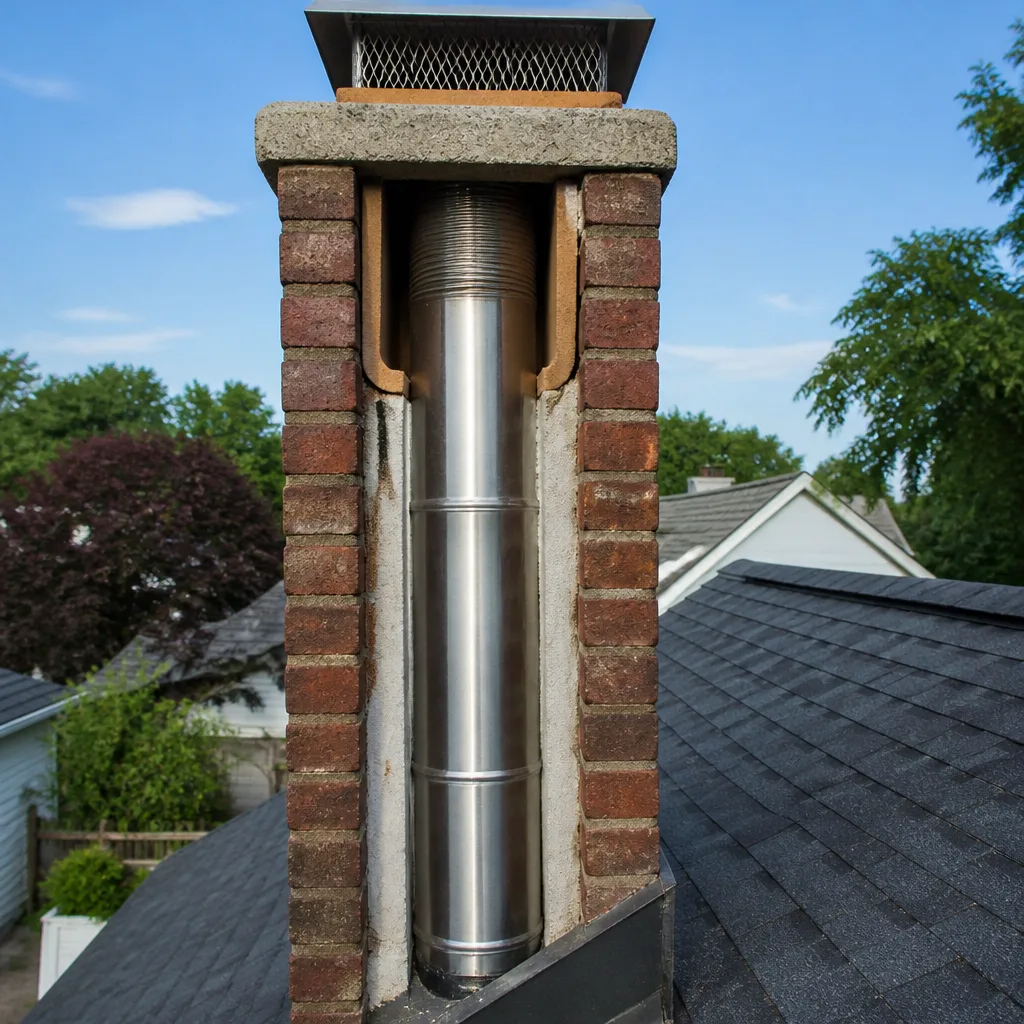
If the liner is deteriorating but still structurally present, HeatShield resurfacing is often the smarter path: it repairs and restores the liner’s inner surface without a full replacement. That’s a real repair, not a patch, and it usually costs less than a complete liner swap. When a full replacement is the right call, a DuraFlex flexible liner system is what we use, built for the high-temperature environment a chimney actually runs in. The point is that the inspection has to come first. The liner is a safety component, not a shopping decision. When we recommend one, it’s because the camera showed a problem you can see in the photos. If the liner is sound, we say so and tell you the chimney can wait until the next scheduled sweep.
Seasonal Warning Signs Homeowners Miss
Chimney problems rarely start loud, and the signs that matter are usually small, seasonal, and easy to explain away. What to watch for through the year:
- Smoke in the room when you light the first fall fire. A fire doesn’t usually draft poorly for no reason; in September that tends to mean a summer-debris blockage or an animal nest. The chimney worked last winter, but something changed in between.
- Water stains after summer storms. A damp firebox, a stained smoke shelf, or a water line on the ceiling near the chimney chase means water is getting past the cap, crown, or flashing. Catching it in summer saves roofline and interior repairs later.
- Efflorescence. That white bloom on the exterior of the chimney is moisture coming through the brick. It can be seen far earlier than a crumbling joint.
- Crumbling mortar and flaking brick. Spalling brick above the roofline is the visible result of the moisture cycling described above. If the chimney was clean last year and the mortar looks powdery now, the summer did its work.
- Animal sounds. Scratching, chirping, or a bird that appears in the firebox all point to a nest in the flue. This is a summer problem you’ll hear, but a cap and screen installed now prevents next summer’s repeat.
- Rust on metal parts inside the firebox. Rust means moisture is working its way in, and it won’t fix itself when the heat comes back on.
If any of these shows up in April rather than October, that’s actually good news. A seasonal problem caught early is a small repair, and the options for a liner are still wide, including HeatShield resurfacing ahead of a full replacement.
Common Mistakes to Avoid
- Waiting for the first cold snap to book a sweep. That’s when the schedule in Wilmington fills up, and when every inspection has to be rushed. A September sweep gives you a calm, unhurried look at a chimney that’s already been through a humid summer.
- Skipping the post-season sweep because you had a fall inspection. A spring inspection and a fall inspection are not the same thing; the spring one catches the moisture damage a falling-leaf season has already started to hide.
- Leaving the cap off or letting a screen rust through. The cap is the chimney’s only defense against animals, rain, and wind-driven debris. Replacing it every decade is far cheaper than cleaning out a nest and fixing the moisture damage it caused.
- Treating the fall sweep as a luxury. It’s a fire-safety task. Creosote left in the flue over a winter is a real chimney-fire risk, and the cost of a sweep is nothing against a chimney fire or an out-of-season repair.
- Burning wet or green wood in the height of winter. A smoldering, smoky fire produces the most creosote, and in a humid climate, wood stored poorly is the thing doing it, not the season itself.
- Ignoring a stuck damper for a whole season. A damper that won’t fully close lets warm, humid air into the cold flue all summer, and a damper that won’t fully open chokes the fire all winter. A closed one is a one-visit repair; an open one can be a full-season problem.
- Assuming the chimney is fine because nothing’s on fire. The most expensive chimney repairs are the ones nobody noticed until the water was already inside, which is the whole reason an annual inspection exists.
See the difference
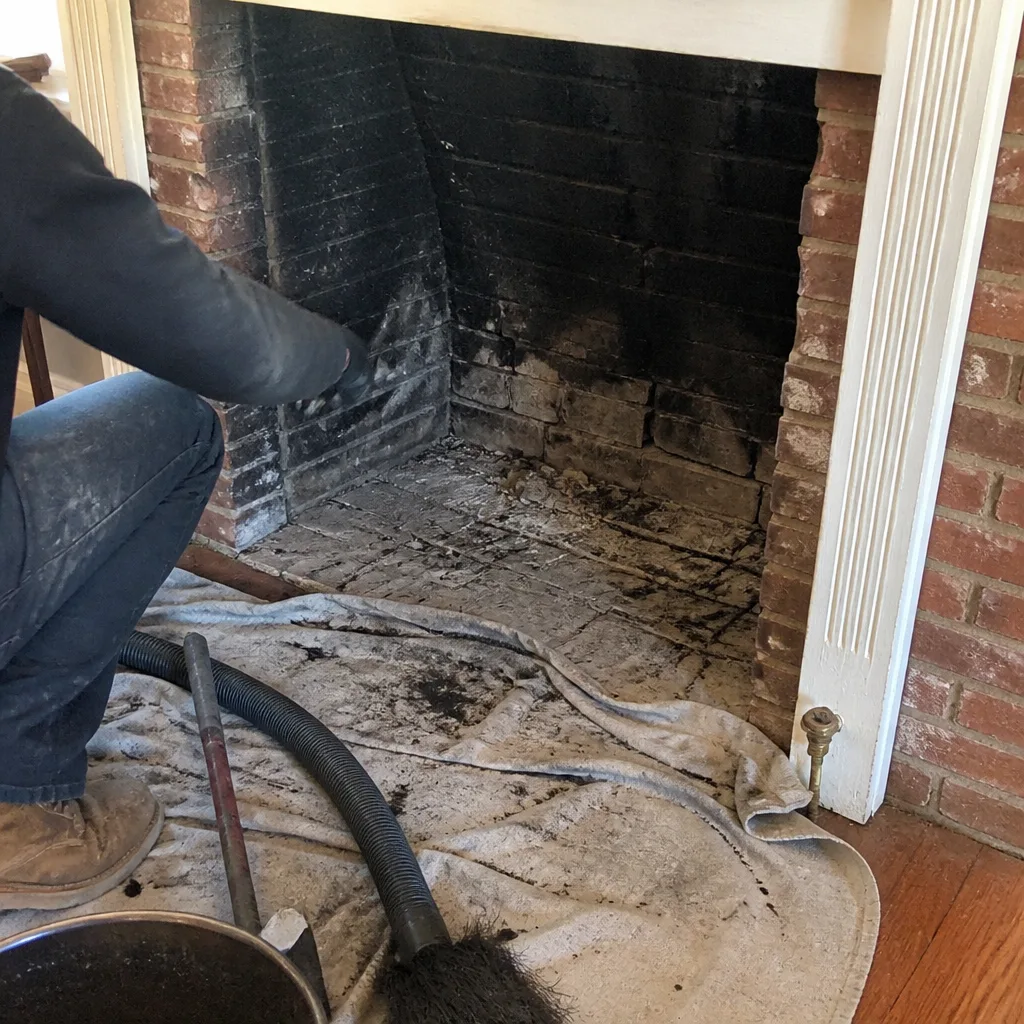 Before
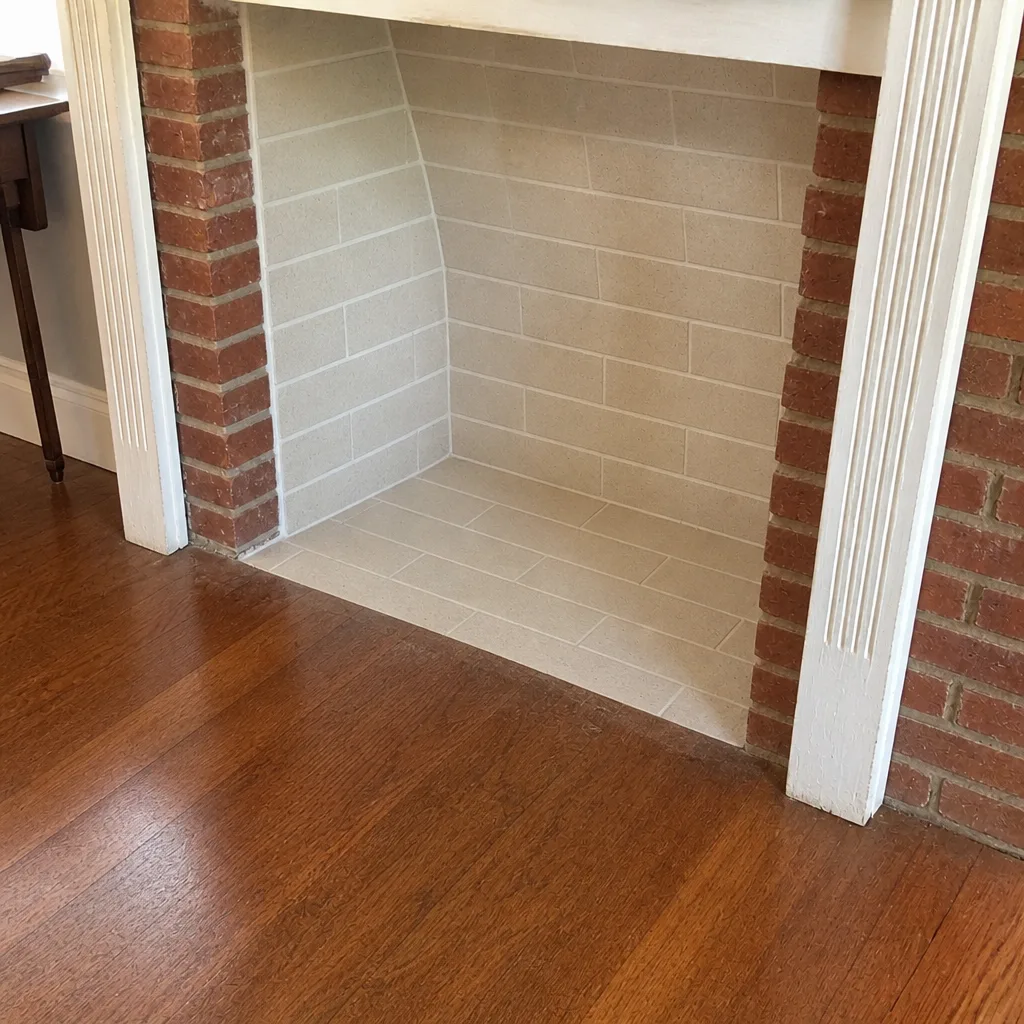 After
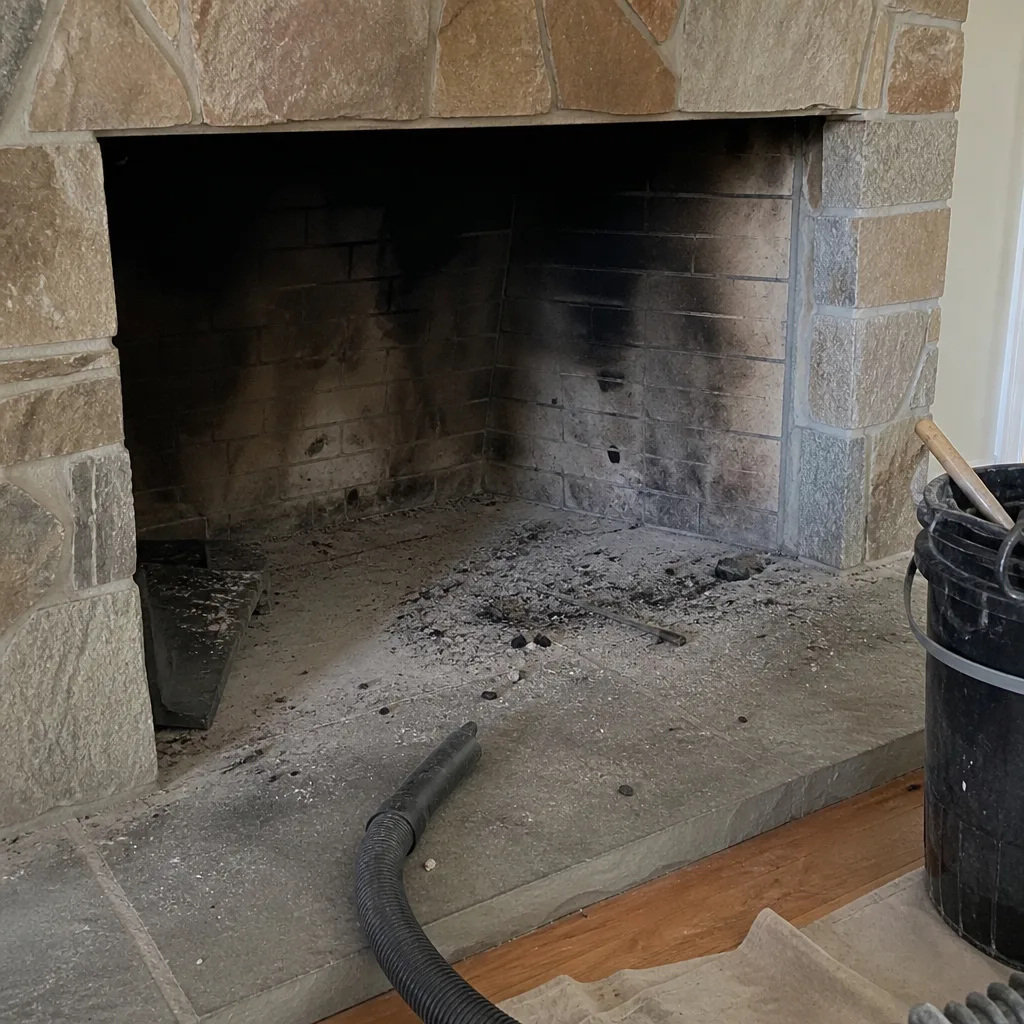 Before
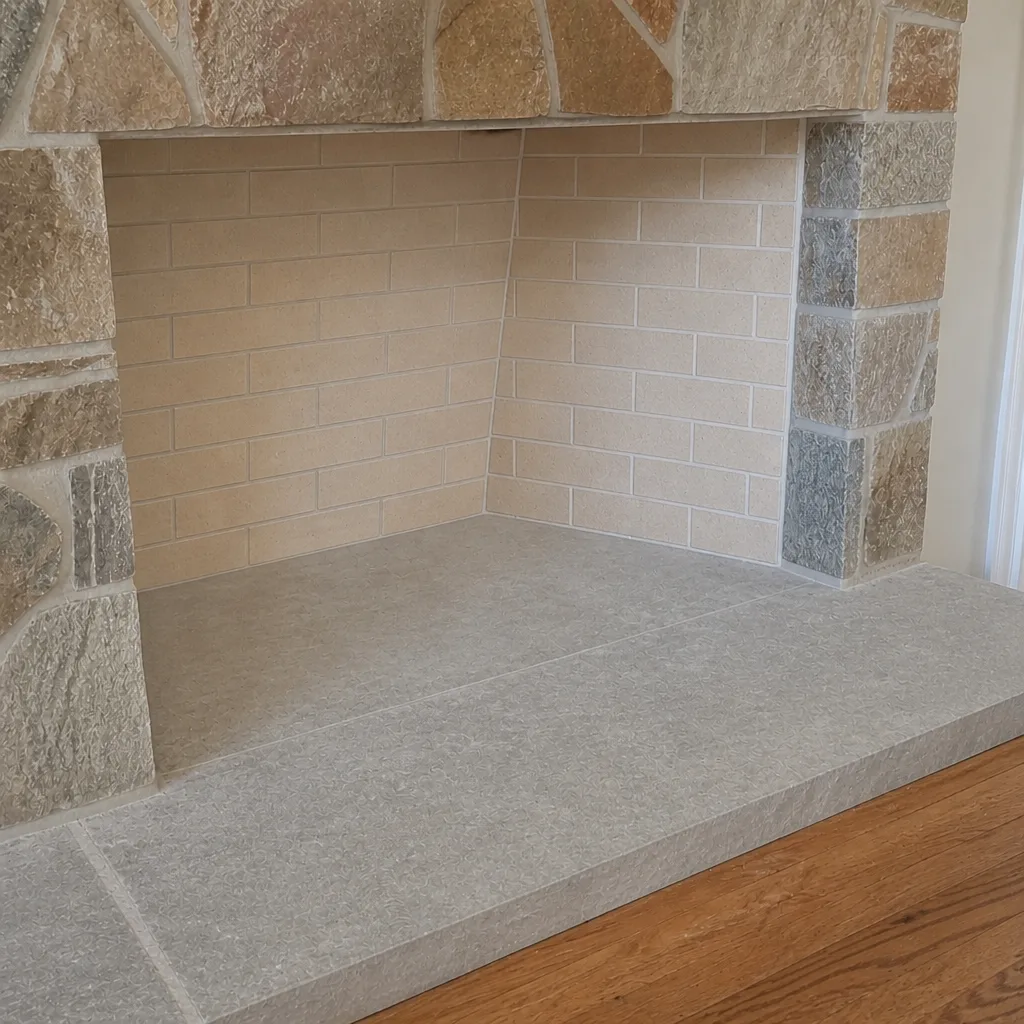 After
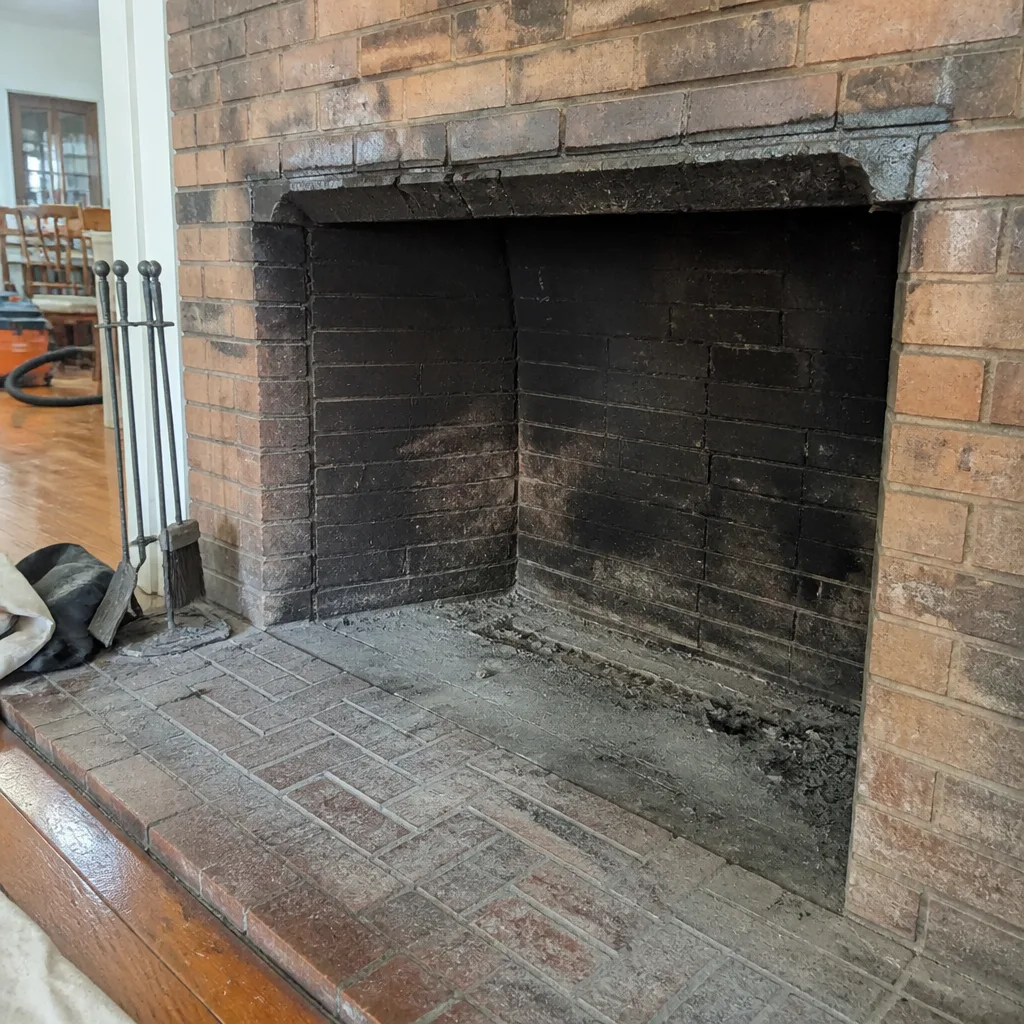 Before
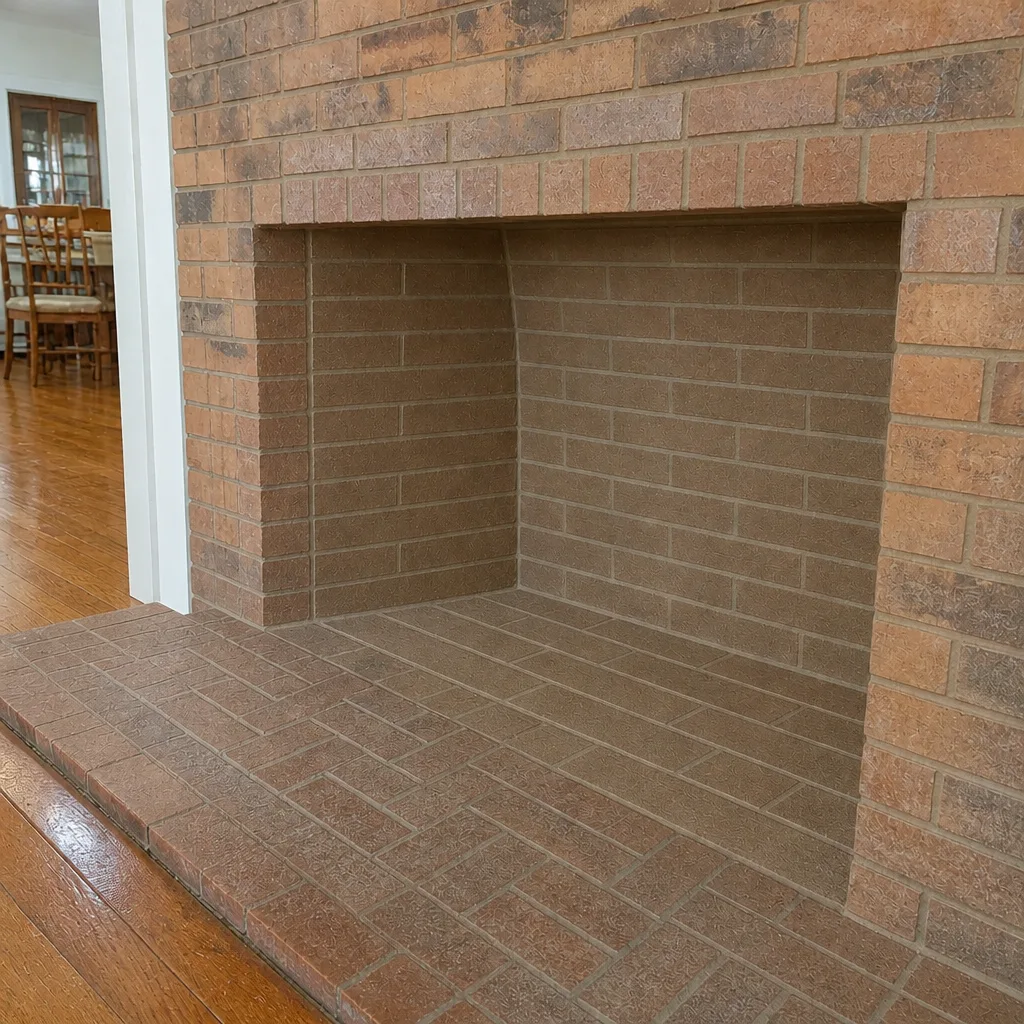 After
When to Call a Professional
Call a professional when the chimney is new to you and unrecorded, when it’s been more than a year since the last sweep, when smoke comes back into the room, when water staining appears after a storm, or when a liner is showing deterioration that needs a real assessment rather than a guessing game. Call us if you’re not sure which of these applies; a sweep and inspection answer the question in one visit. Wilmington Chimney Cleaning covers sweep, inspection, and chimney repair from a single specialist, and our technicians have up to 13 years of experience. We work with the professional-grade brands a chimney job actually needs: HeatShield for liner resurfacing, DuraFlex for liner replacement, and Famco and Copperfield for caps, dampers, and venting components. If you’re in Wilmington or nearby, we offer free estimates. Call (855) 947-5166. We answer 24/7. Fast dispatch from 7am to 7pm, Sunday through Friday.
Frequently Asked Questions
A chimney should be swept at least once a year, and more often if you burn frequently or see creosote building up. Our advice for Wilmington is to sweep in spring after your last fire, or in September before the season starts, rather than waiting for the first cold snap. Call (855) 947-5166 for an exact quote on a sweep and inspection.
Skipping a season doesn’t usually cause a disaster on its own, but it lets two things build: creosote in the flue, which raises chimney-fire risk, and moisture inside the masonry, which leads to spalling and liner damage over time. The danger is that both are silent until they surface as smoke, water, or a failed inspection. An annual sweep catches them early. Call us for a free estimate on a sweep.
Yes, an unused chimney still needs one inspection and sweep a year. Even a gas insert or a sealed fireplace accumulates debris, moisture, and animal nesting, and a flue that sits unused is still part of the house. If you’re winterizing a chimney, the sweep catches a problem before the season. Call (855) 947-5166 for an exact quote.
September scheduling is earlier and less crowded, so it avoids the annual rush that hits when the first cold snap arrives. In practice, that means a September visit has time for a proper inspection and camera photos rather than a hurried sweep. Call us for an exact quote on a September sweep; estimates are free.
A sweep removes creosote and debris from the flue; an inspection evaluates the chimney’s condition, including the liner, crown, cap, and firebox. Both are core services, and they work best together: a clean flue is what makes a good inspection possible. Wilmington Chimney Cleaning offers all three core services, sweep, repair, and inspection, from one specialist. Call (855) 947-5166.
You can check the visible parts, but the safest and most thorough preparation is a professional inspection before the season. A technician can check the cap, crown, and flashing, clear a partial blockage, and catch the small signs a homeowner can’t see from the ground. Call (855) 947-5166 for an exact quote; estimates are free.
What should I do about an animal in my chimney?
Don’t light a fire, and don’t try to smoke an animal out. Call a professional to clear it safely and inspect the flue for nesting materials afterward. A proper cap with a screen prevents the problem from recurring, which is the part most homeowners skip. Call (855) 947-5166 to schedule.
Is a chimney fire likely if I haven’t swept in a few years?
Creosote buildup raises the risk of a chimney fire, and the longer it builds, the higher that risk climbs. This is why an annual sweep, and an inspection if the liner condition is uncertain, matters more than cleaning the firebox. If it’s been years, book a sweep before the next fire. Call (855) 947-5166.
The Bottom Line
Chimney care in Wilmington runs on the calendar, not on the first cold night. Spring is for sweeping, inspecting, and closing up before the humid season; summer is for clearing caps and crowns before hurricane season; September is the smart time to sweep so you’re not in the November rush; and winter is for fire safety, not for starting repairs. Moisture control, animal exclusion, and debris clearing are the three jobs that never leave the schedule. If you do nothing else this year, get an inspection and a sweep. Call (855) 947-5166 for a free estimate.
Written by the team at Wilmington Chimney Cleaning.