
Last updated November 16, 2026
 Sweep & inspection
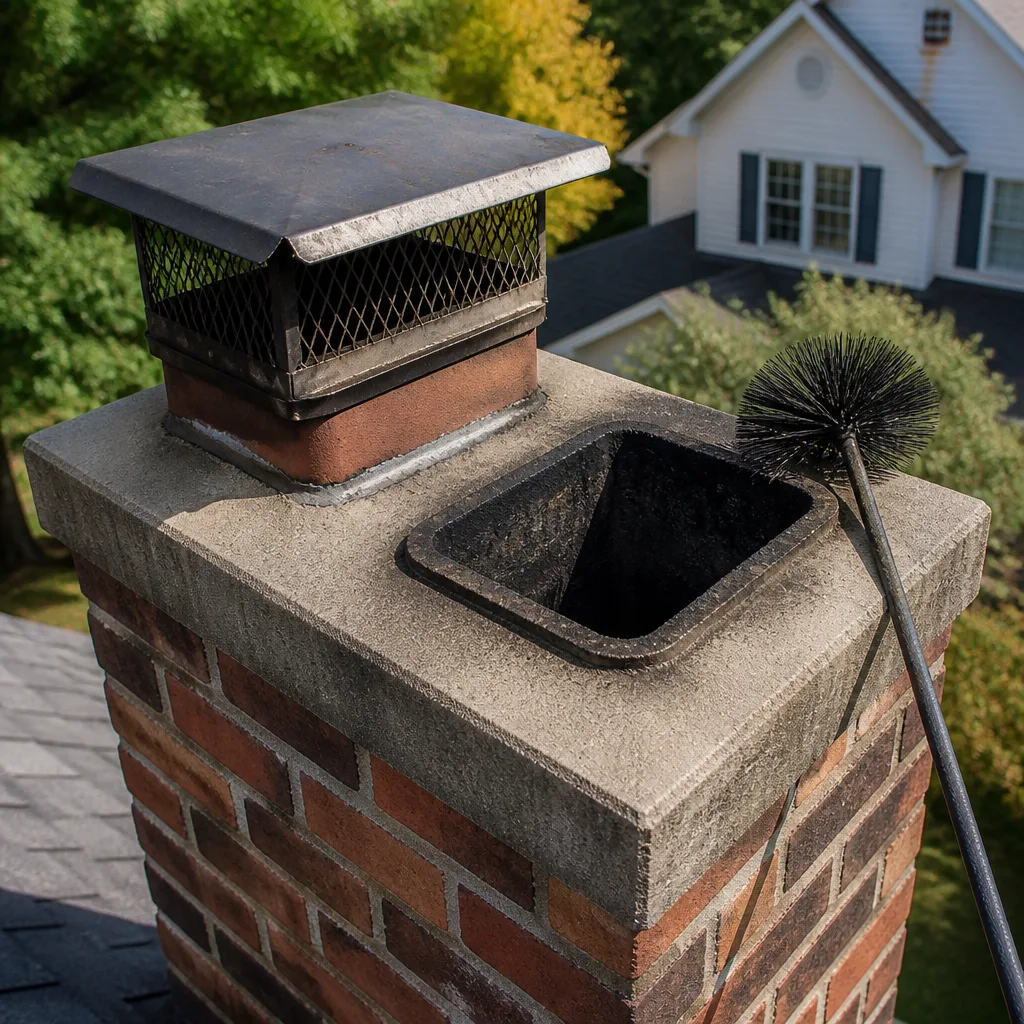
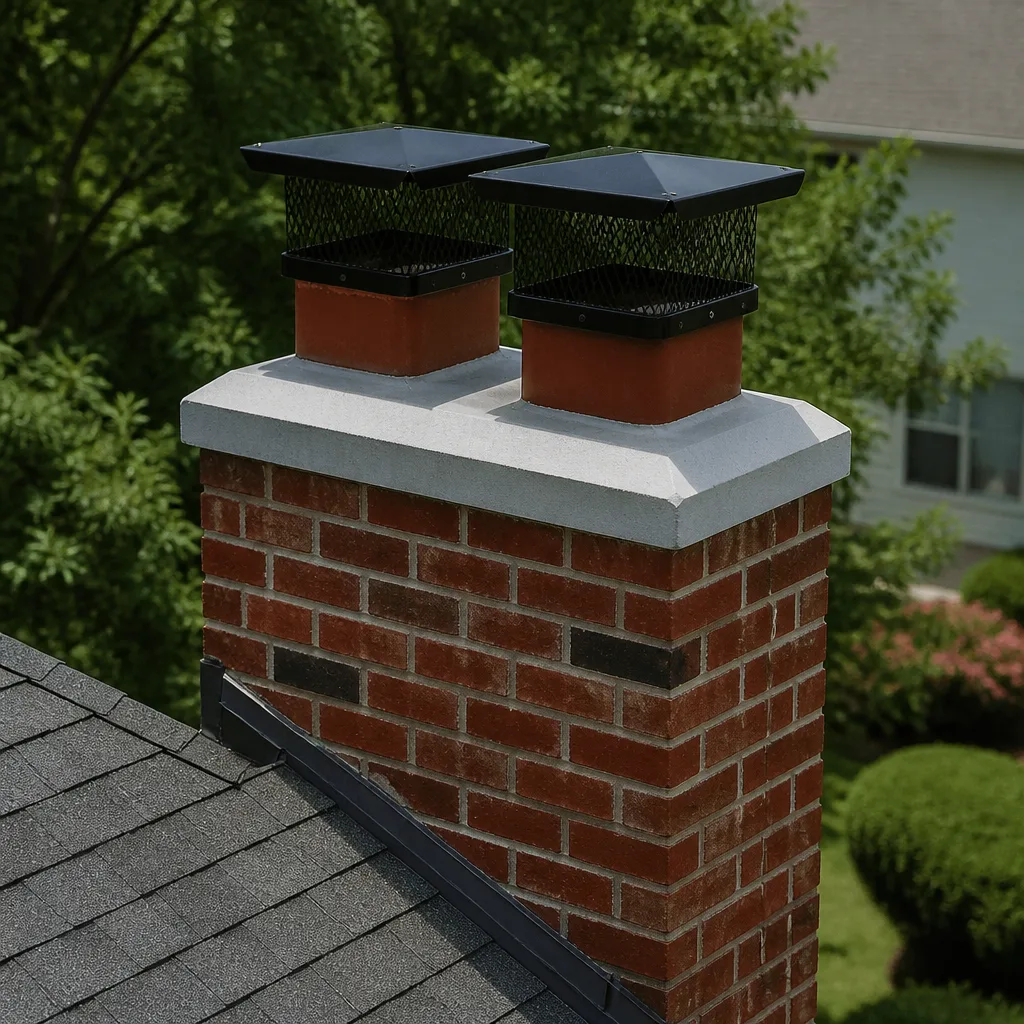 Caps & crowns
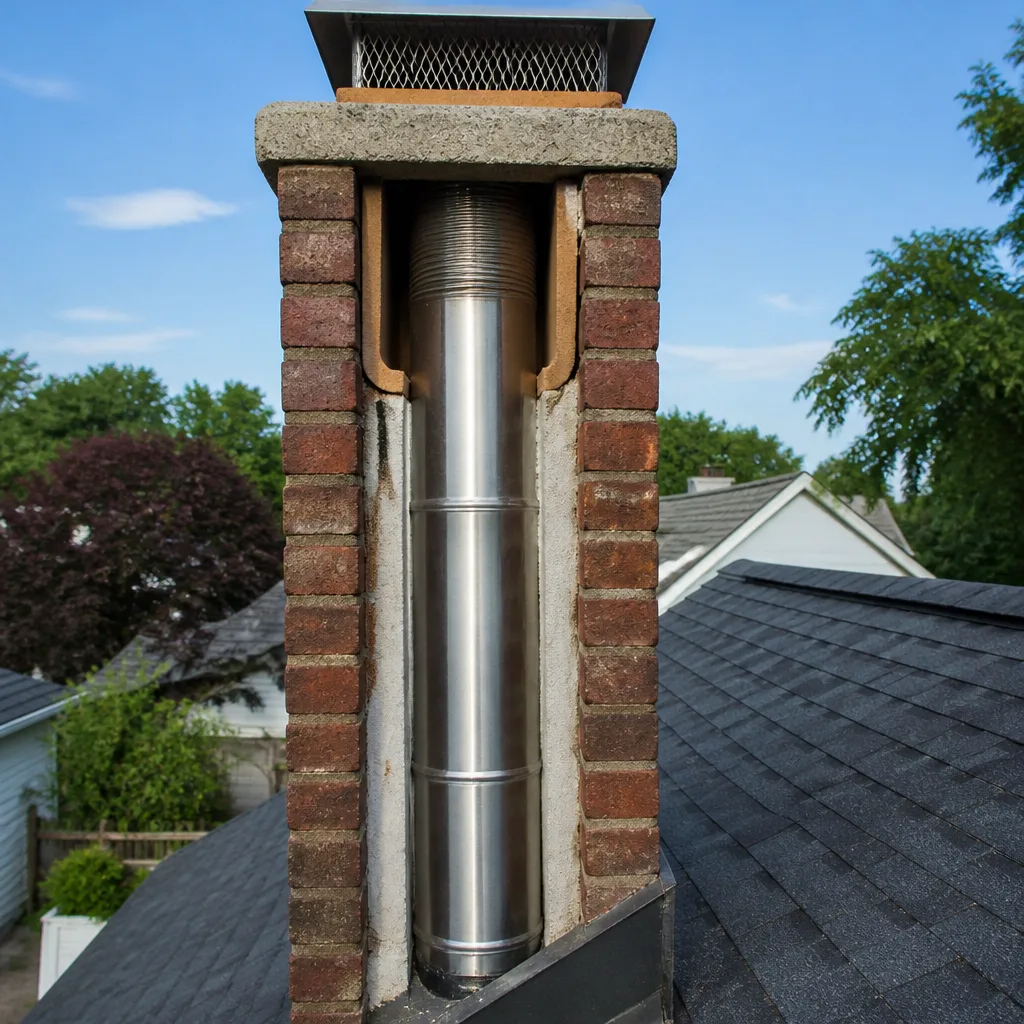 Flue relining
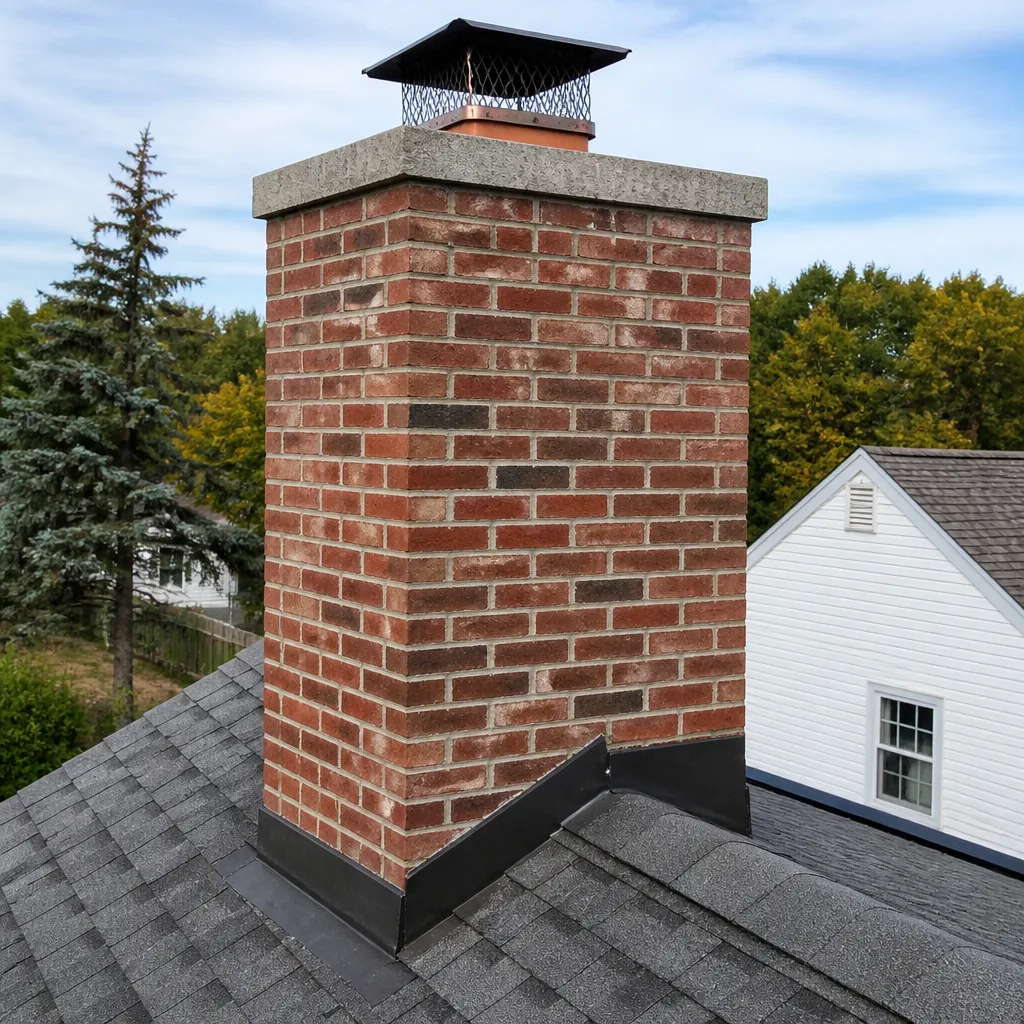 Masonry repair
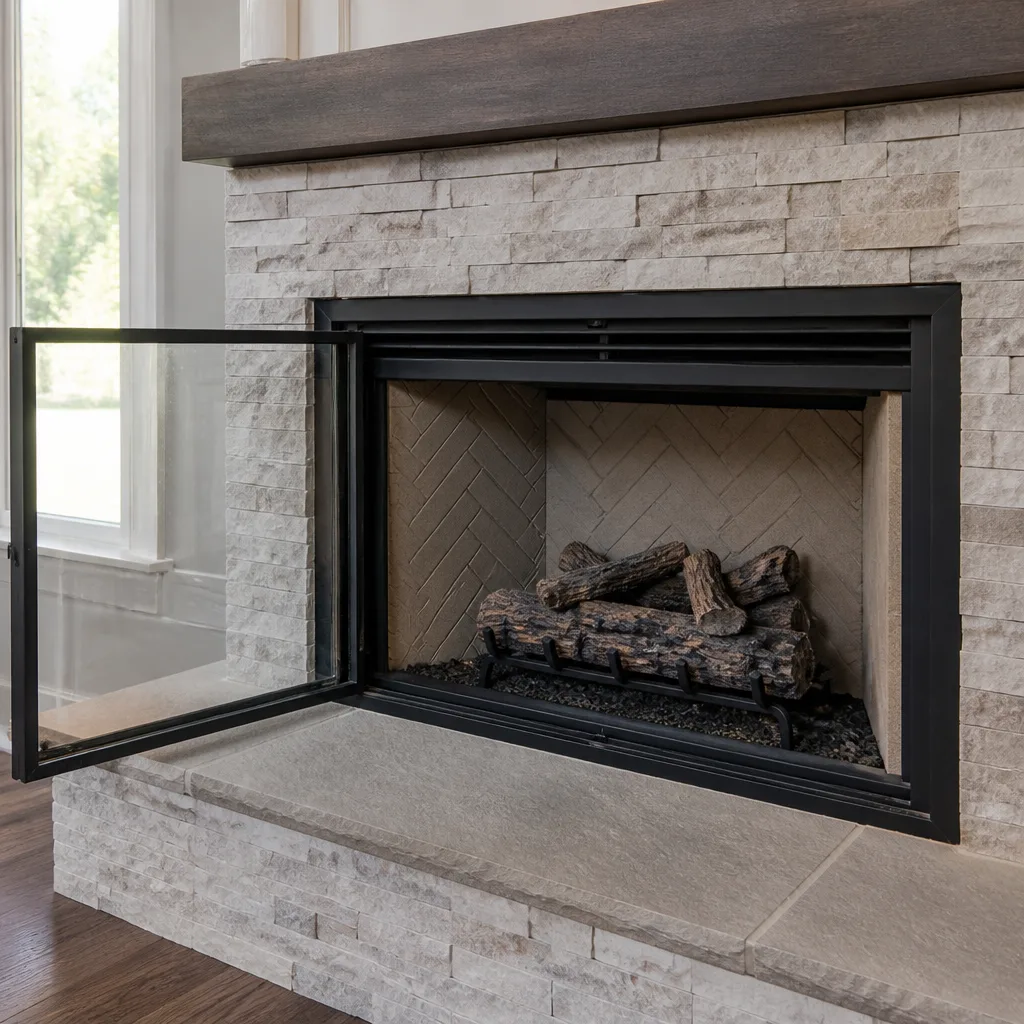 Gas fireplace service
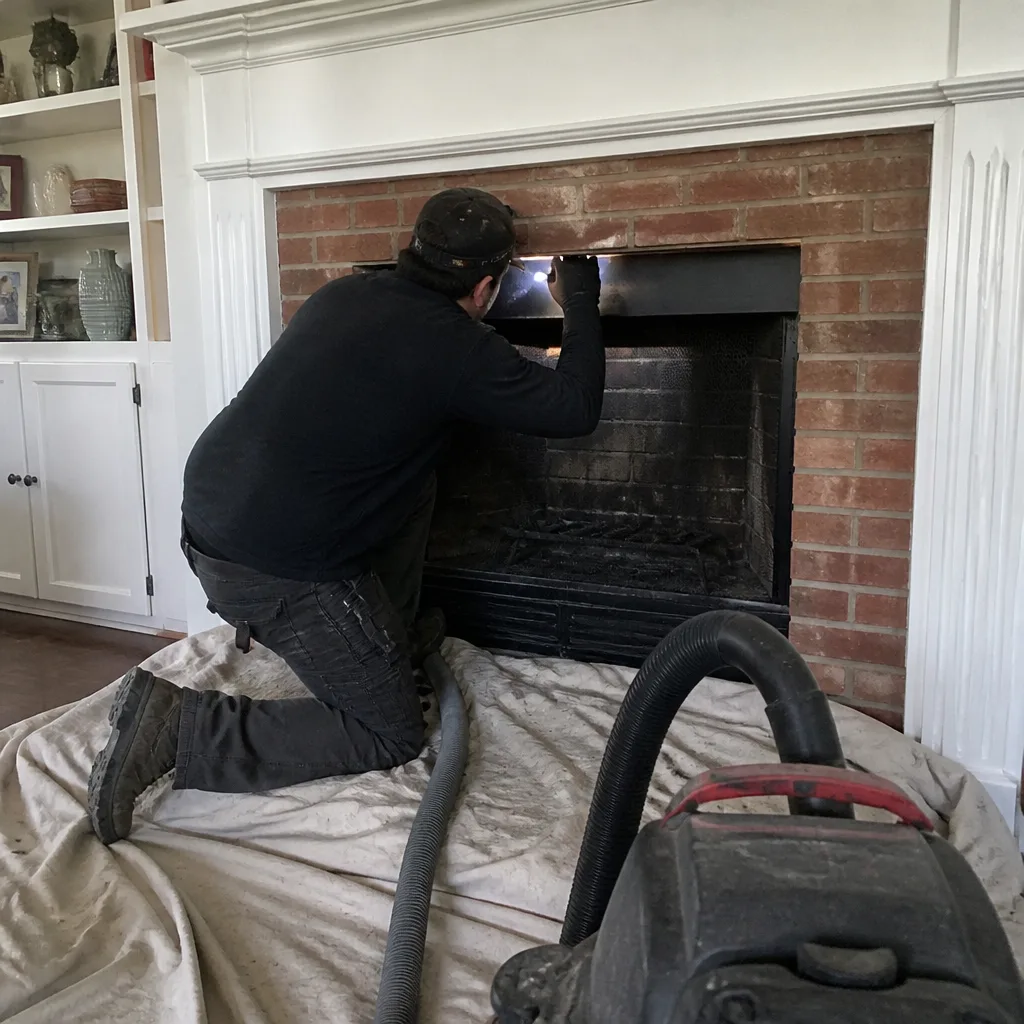
Level 1 sweep and inspection to the NFPA 211 annual standard - flue, crown, cap, and flashing checked and photographed
Chimney sweep logs do not sweep chimneys. They loosen some creosote - which then falls where a brush and vacuum still have to collect it.
Chimney Cleaning Permits, Codes & Inspections in Wilmington, NC: What You Need to Know
Here’s the part most homeowners never hear until it’s a problem: the sweep itself almost never needs a permit, but the repair that comes after it often does. That gap catches people off guard. A flue liner swapped out without a permit, a wood insert dropped into an old fireplace, a chimney chase rebuilt after a storm – each one is the kind of “alteration” that triggers a paper trail in New Hanover County. Skip the paper, and the work still functions. It just becomes very hard to prove it was done right if you ever file a claim or sell the house. This guide draws the line clearly: what needs a permit, what doesn’t, how the NC code and NFPA 211 divide the job, and how to confirm a contractor pulled the right permits before the first box is opened. If you live in Wilmington and own a wood-burning fireplace or an aging chimney, this is the page to read before you book anyone.
Quick Answer
In Wilmington, NC, routine chimney cleaning and sweeping do not require a permit. Structural chimney repairs, flue liner replacement, wood or gas insert installation, and any change to the flue or venting system typically do require a permit through the local code authority, and the work should be done to NC Residential Code and NFPA 211 standards. A Level 2 inspection isn’t a code-mandated permit item, but it is the recognized trigger for home sales, post-chimney-fire evaluation, and any change to the system.
Styles & brands we work with
- Sweep & inspection
- Caps & crowns
- Flue relining
- Masonry repair
- Gas fireplace service
Table of Contents
- Cleaning vs. Alteration: Where the Permit Line Actually Sits
- NC Residential Code and NFPA 211: Which One Governs When They Disagree
- What a Level 2 Inspection Is and When It’s Triggered
- How to Confirm a Contractor Pulled the Required Permits
- What Unpermitted Chimney Work Means for Insurance and Resale
- Wilmington’s Climate, Housing Stock, and Chimney Wear
- What a Compliant Chimney Job Looks Like From Start to Finish
- What Chimney Work Typically Costs in Wilmington
Cleaning vs. Alteration: Where the Permit Line Actually Sits
Most homeowners assume “chimney cleaning” and “chimney work” are the same category. They’re not, and that distinction is what determines whether you need to file for a permit at all.
A chimney sweep is maintenance. We remove creosote, soot, and debris from the flue with brushes and rods. We don’t cut, open, or modify the chimney in any way. No structural change, no permit. That’s true across the board, whether the chimney is in a 1950s brick bungalow in Forest Hills or a newer build out near Landfall.
What does need a permit? Any work that alters the chimney system. Examples:
- Replacing a clay tile flue liner with a new stainless flexible liner
- Installing a wood-burning or gas insert into an existing fireplace
- Adding a new chimney for a wood stove
- Rebuilding a chimney chase, crown, or upper stack after storm damage
- Changing the flue’s height, cross-section, or termination cap in a way that affects draft
- Converting a wood-burning fireplace to gas
We’ve seen homeowners get tripped up on the last one in particular. A gas log set dropped into an open wood fireplace looks like a decoration swap, but the venting requirements are different. If the flue was sized for a wood fire and now runs a gas appliance, that’s a system change. A permit may be required, and it certainly should be inspected.
The rule of thumb: if the work removes, replaces, or adds a physical component of the chimney or venting system, treat it as a permit job until you confirm otherwise with the New Hanover County building department.
NC Residential Code and NFPA 211: Which One Governs When They Disagree
North Carolina’s chimney work is governed by two documents: the NC Residential Code and NFPA 211 (Standard for Chimneys, Fireplaces, Vents, and Solid Fuel-Burning Appliances). They’re not competitors. They operate on different layers, and understanding that layering helps when there’s a dispute about whether a job was done right.
The NC Residential Code is adopted by the state. It sets the rules a contractor must meet to pass a local inspection and receive a permit. When a building official inspects your liner replacement, they’re checking against the state code adopted in New Hanover County, along with manufacturer installation instructions.
NFPA 211 is the national standard that the code is largely written to reference. It’s more detailed and goes further into installation and maintenance practices. Two important points about it:
- Manufacturers of chimney products – DuraFlex flexible liners, Olympia Chimney venting, and others – design their products to NFPA 211, and their installation instructions are what an inspector checks against.
- When there’s a question about whether a system was safe or correct in a dispute, NFPA 211 is usually the reference document that insurers, investigators, and litigation experts cite.
So which governs? The code governs the permit and inspection. NFPA 211 governs the professional standard of workmanship, and it’s what a professional is expected to have followed even where the code is silent. A contractor who does the work to code but ignores NFPA 211 has done only half the job. A contractor who does both has done what a chimney specialist is supposed to do.
A repair on a Wilmington chimney that was originally built in the 1940s has to satisfy today’s code where it’s being changed, and be evaluated against NFPA 211 for the parts of the system being retained. That’s not a loophole, it’s how older homes are handled.
What a Level 2 Inspection Is and When It’s Triggered
A Level 2 inspection is a defined, standardized inspection under NFPA 211. It covers the accessible portions of the chimney, venting system, and connected appliance, including the attic, crawl space, and accessible portions of the flue interior. It’s more than a visual check from the firebox – a camera is typically used inside the flue.
It’s not a permit item, but it is the recognized trigger point in these situations:
- Selling or buying a home. Real estate transactions and insurer requests for a chimney evaluation almost always involve a Level 2.
- After a chimney fire. Even a small one can crack tiles or warp a metal liner in a way that isn’t visible from the firebox. A Level 2 is the way to know.
- After any change to the system. New insert, new liner, new appliance, new flue connection – all warrant a Level 2 once the work is complete.
- After an event that may have damaged the chimney. A lightning strike nearby, an earthquake tremor, or a storm that brought down a tree limb against the stack. New Hanover County does see tropical weather that moves chimney tops and crowns.
- When switching fuel types. Gas to wood, wood to gas – the venting requirements change and need to be re-evaluated.
For most Wilmington homeowners, the Level 2 that matters most is the one tied to a home sale. If you’re listing a house with a wood-burning fireplace, expect your buyer’s inspector to flag the chimney. A clean Level 2 with a documented photo report prevents delays and renegotiation.
The important thing: a “Level 2” isn’t a marketing label. It describes a specific scope under NFPA 211. If a company can’t tell you what the inspection includes, ask.
How to Confirm a Contractor Pulled the Required Permits
The single most common failure we see is a homeowner asking about permits after the work is finished, when the answer is harder to fix. Here’s how to know before it matters.
- Ask during the estimate. “Which permits will you pull for this job, and who files them?” If the answer is “none needed,” ask why. A contractor should be able to explain whether the work is maintenance or alteration.
- Get the permit number in writing. Before work begins, ask for the permit number from New Hanover County or the applicable jurisdiction. Note that a property within Wilmington city limits and one in the unincorporated county may report to different offices. Ask which one applies to your address.
- Check the posted permit. A permit card is usually posted in a visible spot on the job – inside a window or on the front door – while the work is in progress.
- Confirm the inspection is scheduled. Permits require an inspection before the job is considered closed. Ask the contractor when that inspection is scheduled and how you’ll be notified of the result.
- Keep copies. Once the job is closed out, keep the permit number and the final inspection result with your home records. This matters at resale and if you ever file a claim.
A contractor who hesitates on any of these steps is telling you something. Permits are a paperwork cost, and some contractors prefer to skip them to keep the price down. That savings doesn’t hold up if the work ever becomes important – at insurance time or at sale.
If you want a straight answer on what your specific chimney job requires, call Wilmington Chimney Cleaning and we’ll walk through it with you. We can tell you whether it’s a sweep, an inspection, or a permit job, and we won’t blur the lines.
What Unpermitted Chimney Work Means for Insurance and Resale
This is where the paper trail matters most, and it’s what most homeowners never think about when they get a quote for liner replacement.
Homeowner’s insurance policies are written around the assumption that the property is maintained in a safe and code-compliant condition, and that material changes to the structure were properly permitted and inspected. When a flue liner is replaced without a permit, three things become true:
- The insurer has no record that a change was made.
- There is no third-party confirmation that the work was done to NC Residential Code or NFPA 211.
- If there’s a fire or carbon monoxide event traced to the chimney, the insurer can point to the lack of permit and inspection as a maintenance failure.
That last point is not hypothetical. In our experience, this is the pattern that insurers investigate when a chimney-related claim comes across the desk. The policy language gives them the grounds.
At resale, the issue shows up in disclosure. North Carolina’s residential property disclosure requires sellers to disclose known defects and any changes to the property. Unpermitted work is typically a disclosure item, and a buyer’s inspector who finds a new stainless liner with no permit history will flag it. That can mean renegotiation, a required retroactive permit and inspection, or a stalled closing.
The fix is simple: permit the job. If you’re buying a Wilmington home and unsure whether a recent liner or insert was permitted, ask for the permit number. If the seller doesn’t have one, that’s a question for your agent before you sign.
Wilmington’s Climate, Housing Stock, and Chimney Wear
Wilmington has a specific combination of conditions that affect chimney systems in ways inland cities don’t see.
The region’s humidity is high. During the off-season, an unused chimney pulls in moisture-laden air, which deposits on the flue interior and mixes with residual creosote to form a sticky, corrosive layer. Over a season or two, that layer accelerates deterioration of clay tile liners and rusts metal components. We see more deteriorated flues in humid, mild-climate cities than we do in drier regions where the same age of chimney holds up better.
The housing stock matters too. Wilmington has a substantial number of older homes – bungalows and two-story houses in neighborhoods like Carolina Heights, Sunset Park, and Forest Hills – with original chimneys built to earlier codes. Those chimneys often have insufficient clearance to combustibles by today’s standards, and their flue tiles may be well past their useful life. Many of them were built without a modern liner at all.
Add the weather pattern. Tropical systems and strong thunderstorms regularly affect the Wilmington area. Wind-driven rain can enter uncapped flues, and a tree limb against the stack can crack a crown in a way that shows up months later as a leak into the ceiling around the chimney chase. An inspection after a notable storm is worth the small cost.
What this means for code compliance: a chimney in a Wilmington home that’s 60 years old is not going to meet today’s code as it stands. The question is not whether it meets code, but whether the work you’re having done will bring the parts you’re touching up to standard. A professional will walk that line with you and pull the permits needed to do it correctly.
What a Compliant Chimney Job Looks Like From Start to Finish
When a chimney job is done clean – permit pulled, code met, paperwork closed – it flows through a consistent sequence. Here’s what you should see.
- Initial evaluation. A sweep and Level 1 (or Level 2, if the situation calls for it) before any repair is quoted. Nothing is recommended without camera evidence in hand.
- Written estimate. The scope of work is described in writing, along with the materials to be used and the permit status. You see what’s being done, with what parts, and whether a permit is required.
- Permit filing. If a permit is needed, the contractor files it and gives you the permit number before work begins.
- Work performed to NC Residential Code and NFPA 211. Materials are installed to manufacturer instructions – this is where the difference between a DuraFlex flexible liner system and a hardware-store substitute becomes visible. The correct liner for the appliance, sized to the flue and rated for the temperature it will see, matters.
- Inspection. The local inspector reviews the work. The permit card is closed out.
- Post-work verification. A final Level 2 inspection with a camera and a photo report, so you have visual proof of the finished system.
- Records delivered. You receive the permit number, the inspection result, and the photo report. Keep all three.
If your contractor’s process skips step three or step seven, ask why. That’s the whole point of the paper.
What Chimney Work Typically Costs in Wilmington
Prices for chimney services vary based on the age and condition of your home, the type of appliance, and what the flue inspection actually finds. Below are typical estimates for the Wilmington market. The final price on any job is set by the written estimate after an inspection.
| Service | Typical estimate | Permit required? |
|---|---|---|
| Standard chimney sweep (Level 1 cleaning) | $180 – $320 | No |
| Level 2 inspection (camera, photo report) | $200 – $400 | No |
| Sweep + Level 2 combined | $300 – $600 | No |
| Crown repair or rebuild | $350 – $900 | Often, if structural |
| Chimney cap installation | $200 – $500 | Usually no |
| Flue liner resurfacing (HeatShield system) | $1,500 – $3,200 | Often, if altering the flue |
| Full stainless liner replacement (DuraFlex) | $2,500 – $5,500 | Yes |
| Wood or gas insert installation | $3,000 – $7,000 (appliance included) | Yes |
Two things drive the range more than anything else. First, whether the existing flue is intact or needs to be cleaned out before a new liner can go in. Second, whether the chimney is straight or has offsets – a straight flue is easier and cheaper to line than one with elbows.
Permit fees themselves are modest compared to the work. If a contractor’s quote for a liner replacement is meaningfully lower than these ranges and no permit is mentioned, ask the question.
Common Mistakes to Avoid
- Assuming “cleaning” covers any repair the sweep recommends. A sweep and a liner replacement are two different jobs, and only one of them may require a permit. Ask which one you’re actually getting.
- Letting the contractor tell you the permit isn’t needed without checking. Confirm with the New Hanover County building department for your specific address. It’s a phone call and it settles the question.
- Not asking to see the camera footage before agreeing to a liner. Any liner or masonry recommendation should be backed by video of the flue interior. If you can’t see what the technician is seeing, ask to.
- Choosing a generalist for chimney work to save money. Chimney repair is a specialized trade. A handyman who “does chimneys too” is not going to know the code line between maintenance and alteration, and that’s exactly where unpermitted work happens in Wilmington.
- Skipping a Level 2 before listing the house. Buyers and their inspectors will ask. Getting the inspection done in advance lets you address any findings before the clock is running.
- Filing paperwork away. Keep the permit number, inspection result, and photo report with your home records. They matter at resale and after any insurance event.
- Doing an insert install over an unlined flue. This is one we see in older Wilmington homes. It’s tempting to save money on the appliance and skip the liner, but most insert manufacturers, including Olympia Chimney’s venting lines, require an appropriately rated liner behind them. An inspector will flag it.
We’ve walked through hundreds of these evaluations in the area, and the pattern is consistent: the mistakes cluster at the boundary between cleaning and repair. If your chimney needs work beyond a sweep, treat it as a permit job until you’re certain it’s not.
See the difference
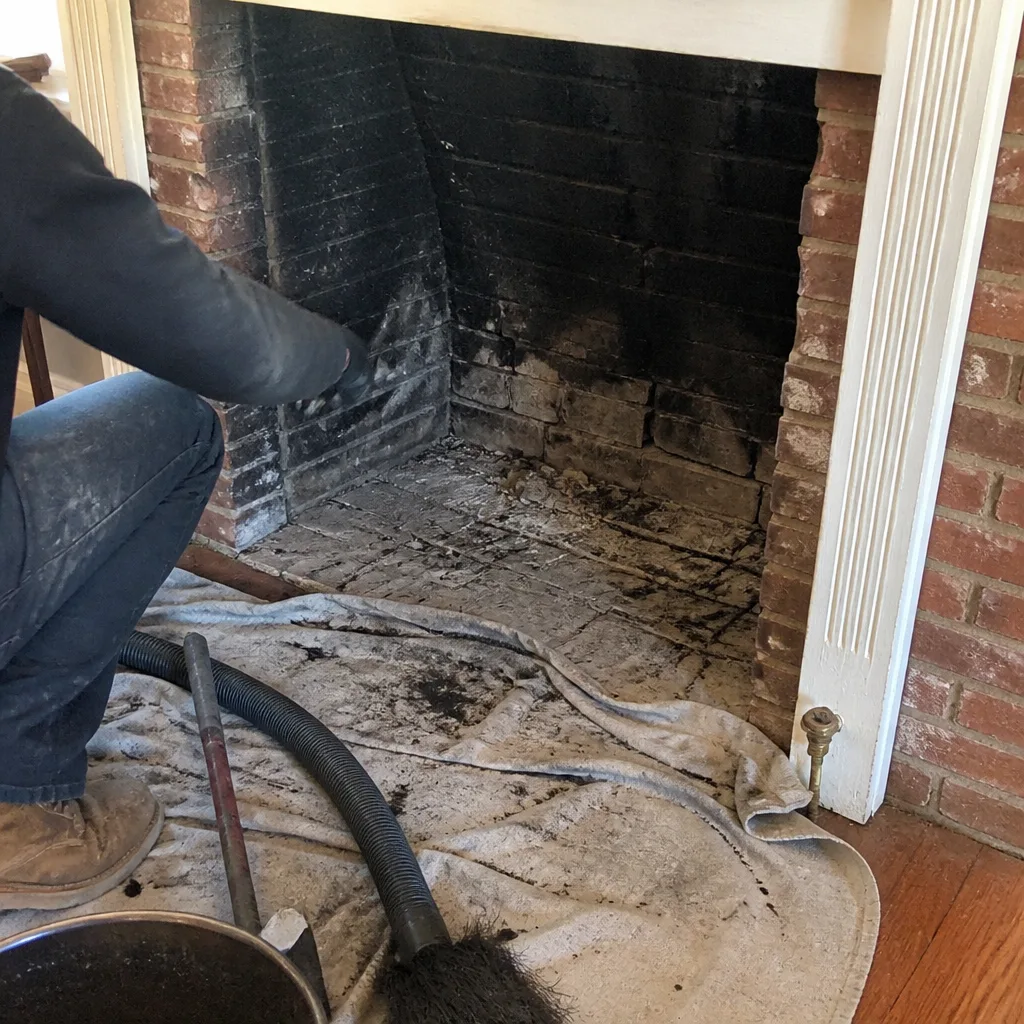 Before
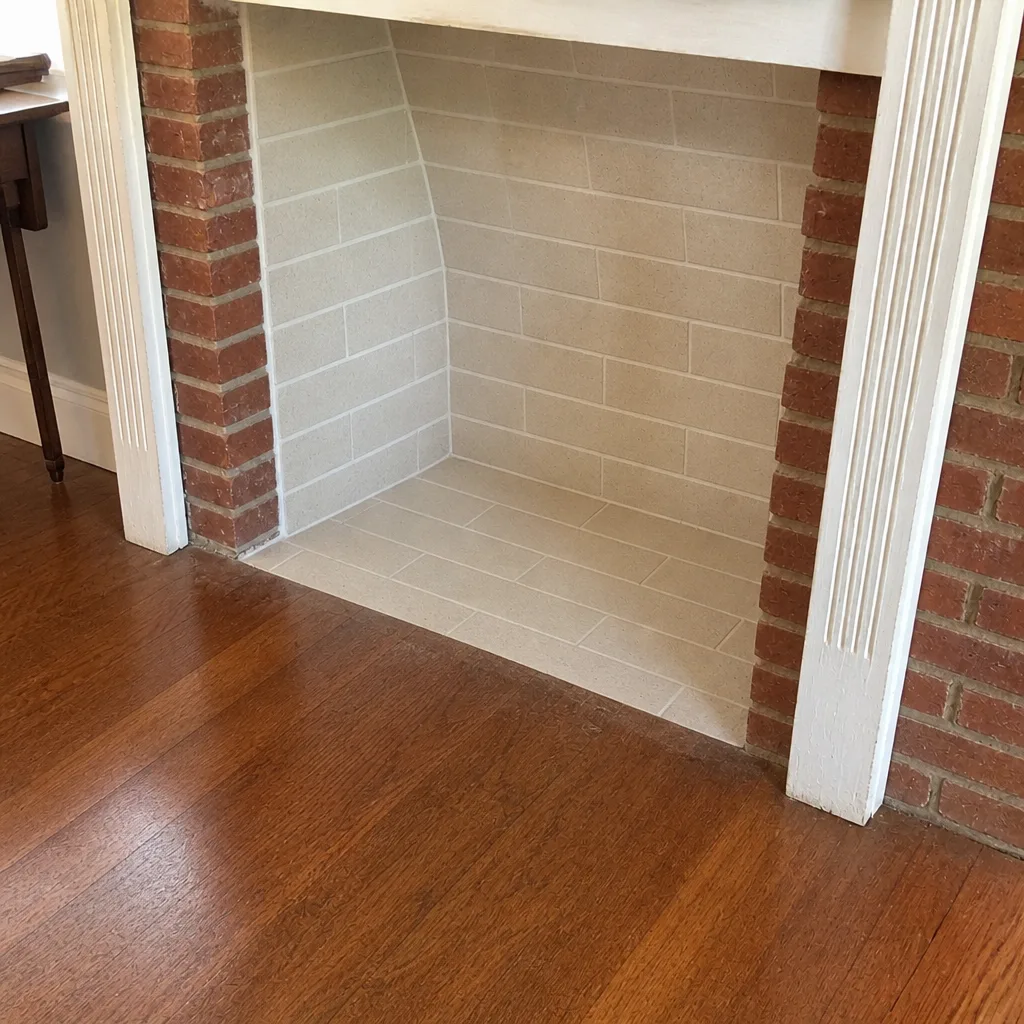 After
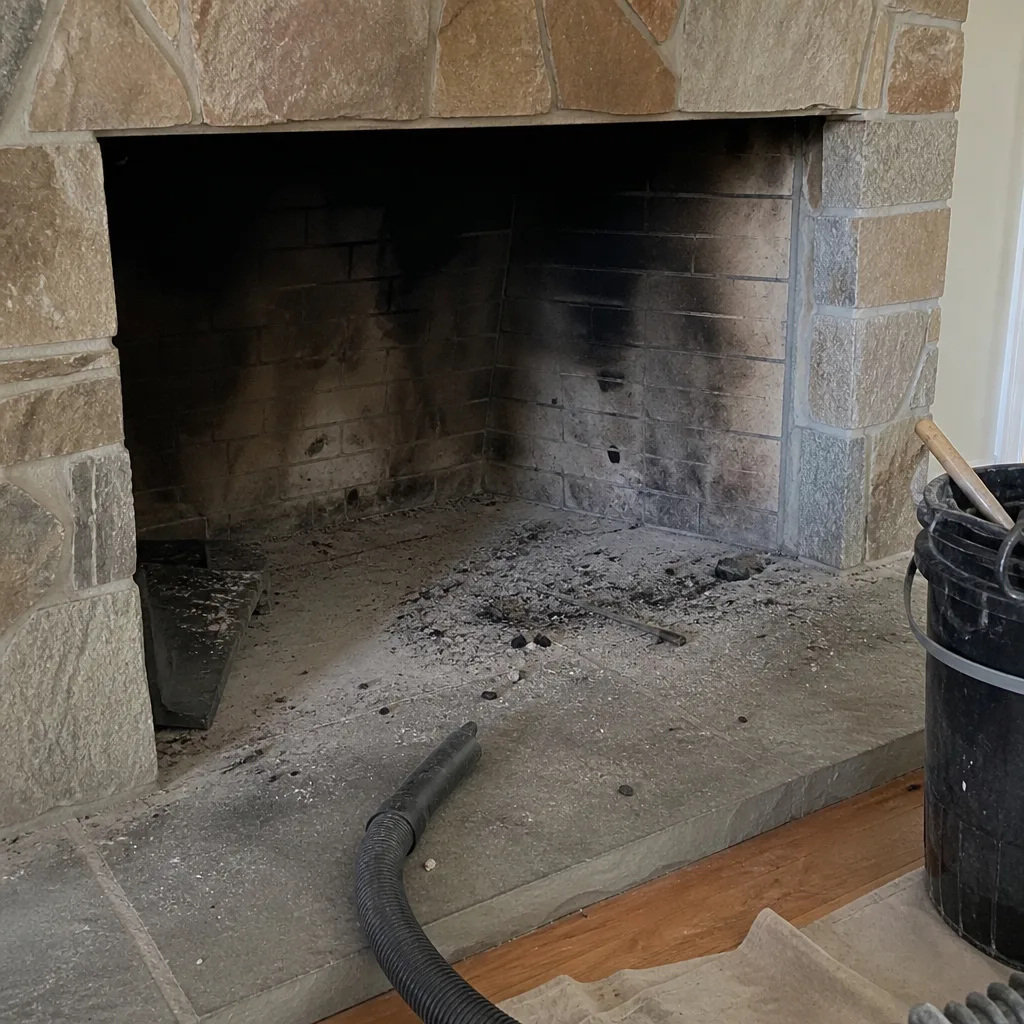 Before
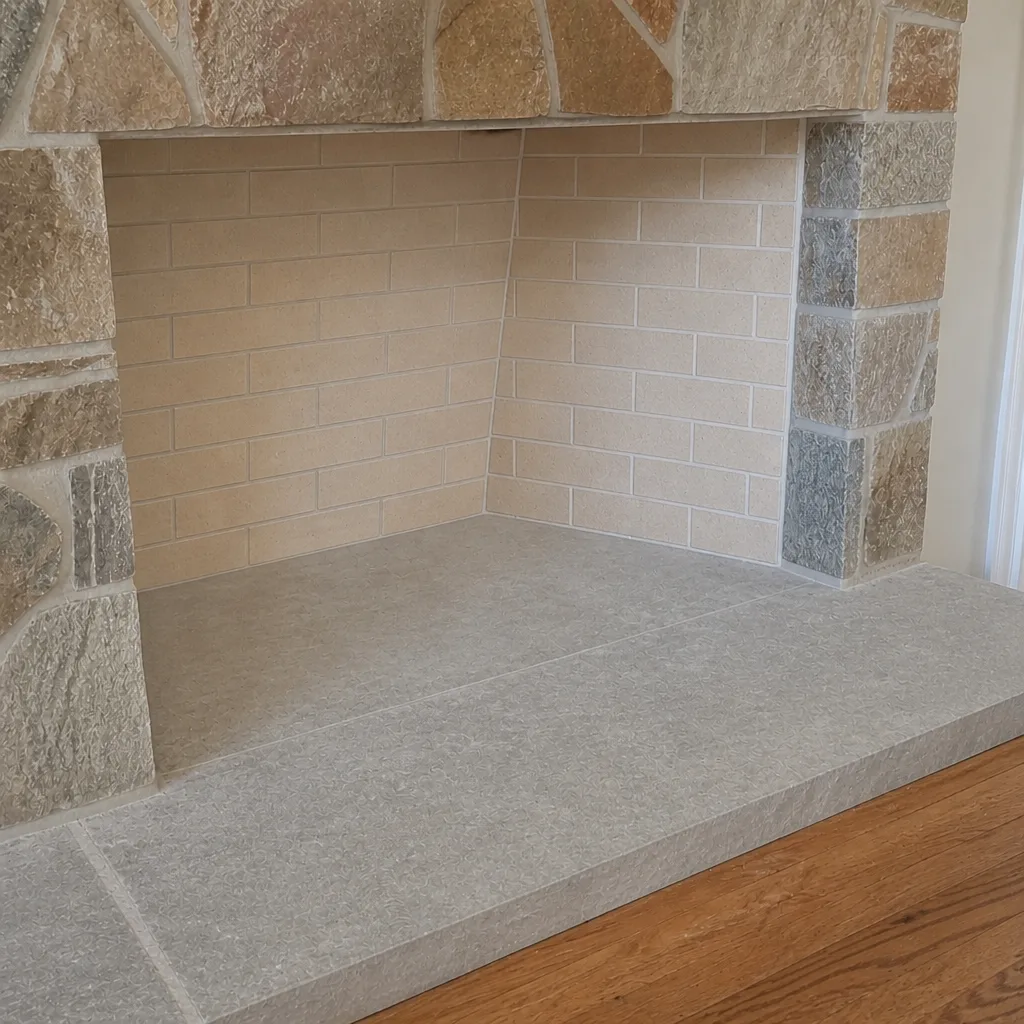 After
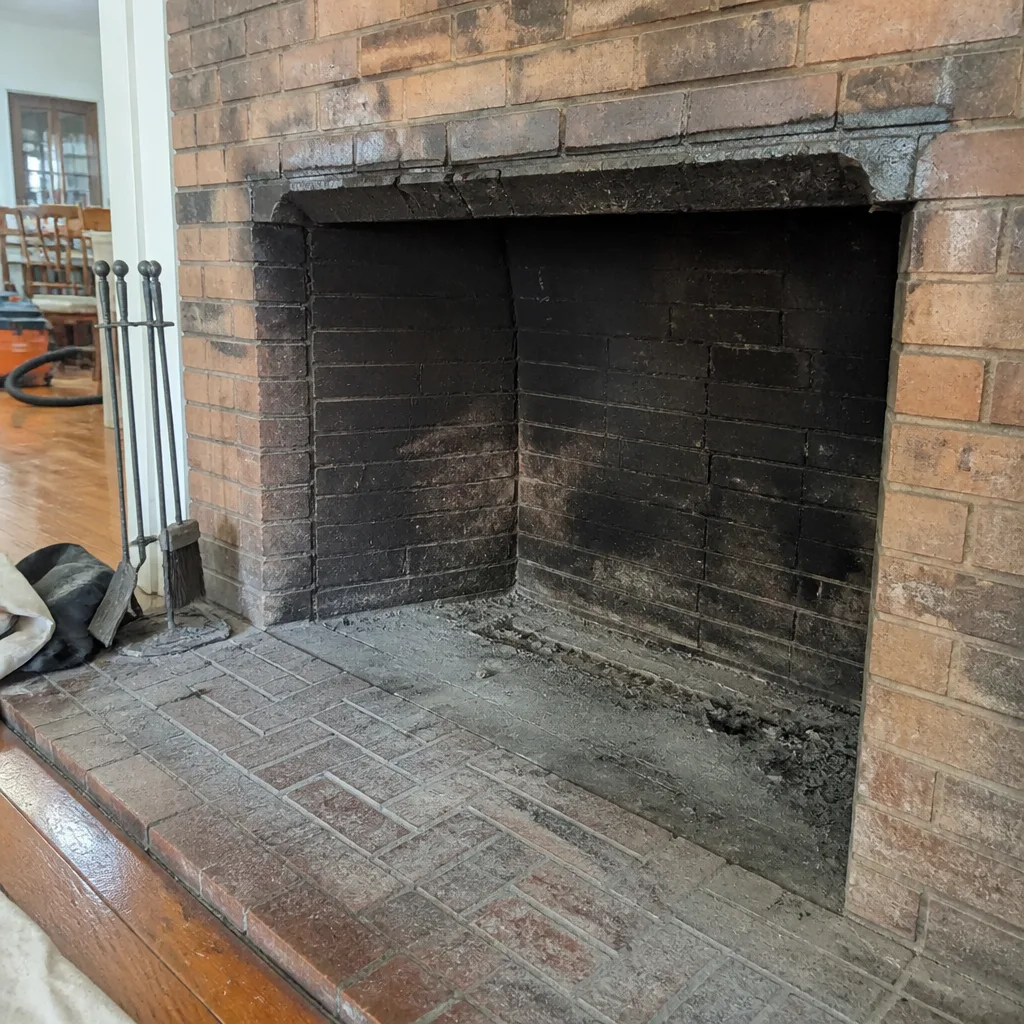 Before
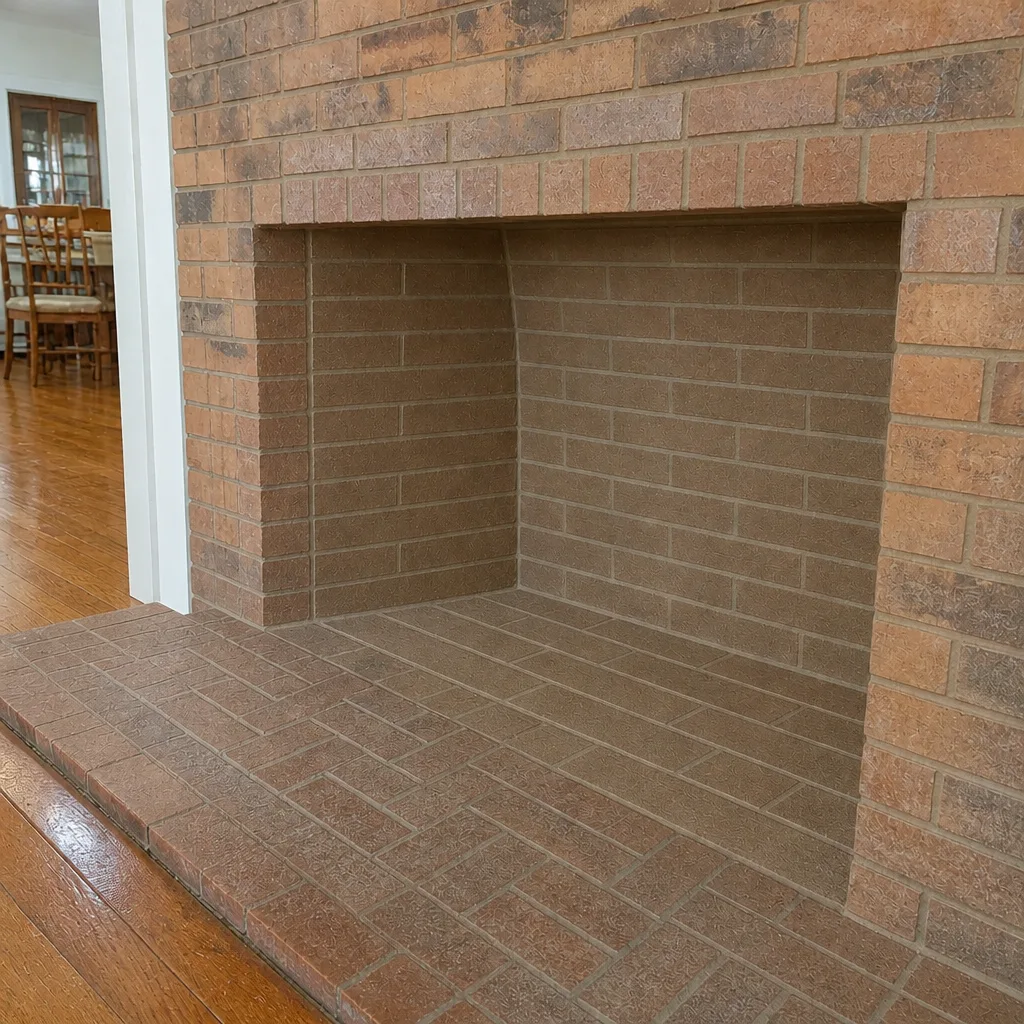 After
When to Call a Professional
A sweep is a good idea once a year if you burn wood regularly, and at the end of a season before the next heating season begins. But some situations call for a professional inspection rather than waiting:
- You smell smoke in the house when the fireplace is running, or the fire draws poorly
- You hear crackling or a low roaring sound through the chimney itself
- You’re buying or selling a house with a wood-burning fireplace
- A chimney fire has happened at any point
- The chimney was recently exposed to a strong storm, or a tree limb has come into contact with the stack
- The liner may be original to a house built before 1990
- You’re switching fuel types or adding an insert
Wilmington Chimney Cleaning offers free estimates in Wilmington – call (855) 947-5166. We answer 24/7. Fast dispatch from 7am to 7pm, Sunday through Friday. We handle chimney repair and inspection directly, and we’ll tell you clearly when a permit is needed for your job.
Frequently Asked Questions
No. Routine chimney sweeping in Wilmington does not require a permit because it doesn’t change the system. Repairs that alter the flue, chimney, or venting system – liner replacements, insert installations, or structural rebuilding – typically do require a permit through New Hanover County. Call (855) 947-5166 for an exact quote – estimates are free.
Not always. A liner is only needed when the existing flue has cracks, gaps, deterioration, or is undersized for the appliance. Ask to see the camera footage before you agree to anything – any honest recommendation can be shown to you. HeatShield resurfacing is sometimes a repair path for a deteriorating flue without full replacement, and it’s less costly. Call (855) 947-5166 for an exact quote – estimates are free.
Once a year if you burn wood regularly, and at least once before each heating season starts. A chimney used only occasionally may stretch to a longer interval, but the annual inspection is worth keeping because problems show up before they become urgent. Call (855) 947-5166 for an exact quote – estimates are free.
Creosote builds up on the flue walls with each fire. At a thick enough layer, it becomes flammable, and a chimney fire can crack tile liners or warp metal ones. Blockages also increase the risk of carbon monoxide entering the living space. That’s the honest answer – not a scare tactic. Call (855) 947-5166 for an exact quote – estimates are free.
It can. Insurers assume the property has been maintained and any structural change was permitted and inspected. When a chimney fire or carbon monoxide event is traced to work that was completed without a permit, the insurer has grounds to dispute the claim. The fix is to require a permit on any work that alters the system. Call (855) 947-5166 for an exact quote – estimates are free.
A Level 1 inspection is a visual check of accessible portions of the chimney – typically performed alongside a sweep. A Level 2 inspection goes further: it uses a camera inside the flue and inspects accessible portions of the attic, crawl space, and surrounding structure. It’s the level required for a home sale, after a chimney fire, or after a change to the chimney system. Call (855) 947-5166 for an exact quote – estimates are free.
The Bottom Line
Cleaning is maintenance. Alteration is a permit job. That’s the line, and it’s a line most homeowners only discover after a problem. In Wilmington, the repairs that trip people up are liner replacements, insert installs, and structural work – all of which can affect insurance coverage and resale disclosure if they’re done without a permit. The good news is that the fix is simple: know which category your job is in before you sign, ask for the permit number, and keep the records. A Level 2 inspection protects you at resale and after any significant event. If you’re unsure about your own chimney, that’s the conversation to have before work starts, not after.
If you’re ready to schedule a Wilmington chimney evaluation, or you want a straight answer on what your specific job requires, call (855) 947-5166 for a free estimate. We answer 24/7. Fast dispatch from 7am to 7pm, Sunday through Friday. Our technicians have up to 13 years of experience, and every job starts with a written estimate – so you know exactly what’s being done, with what materials, and whether a permit is part of the scope before anything begins.
Written by the team at Wilmington Chimney Cleaning.