
Last updated November 16, 2026
 Sweep & inspection
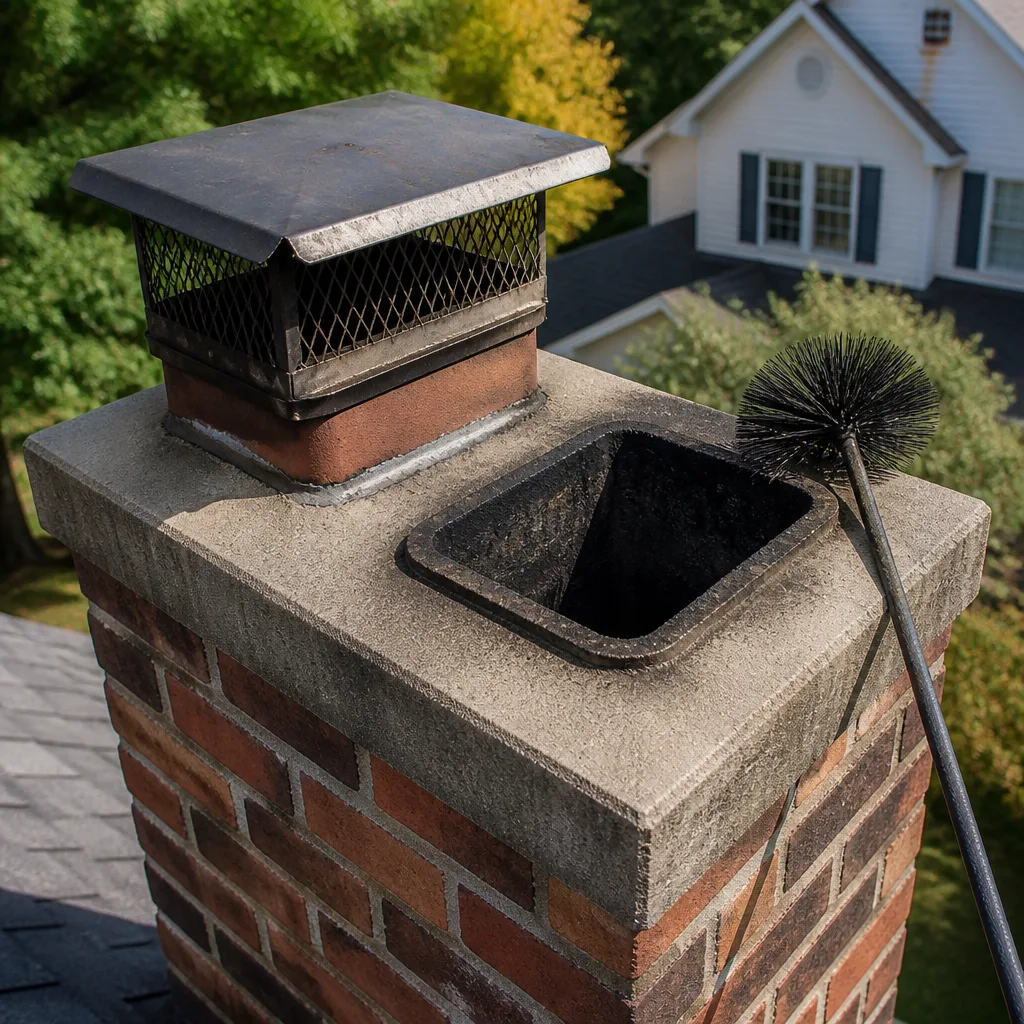
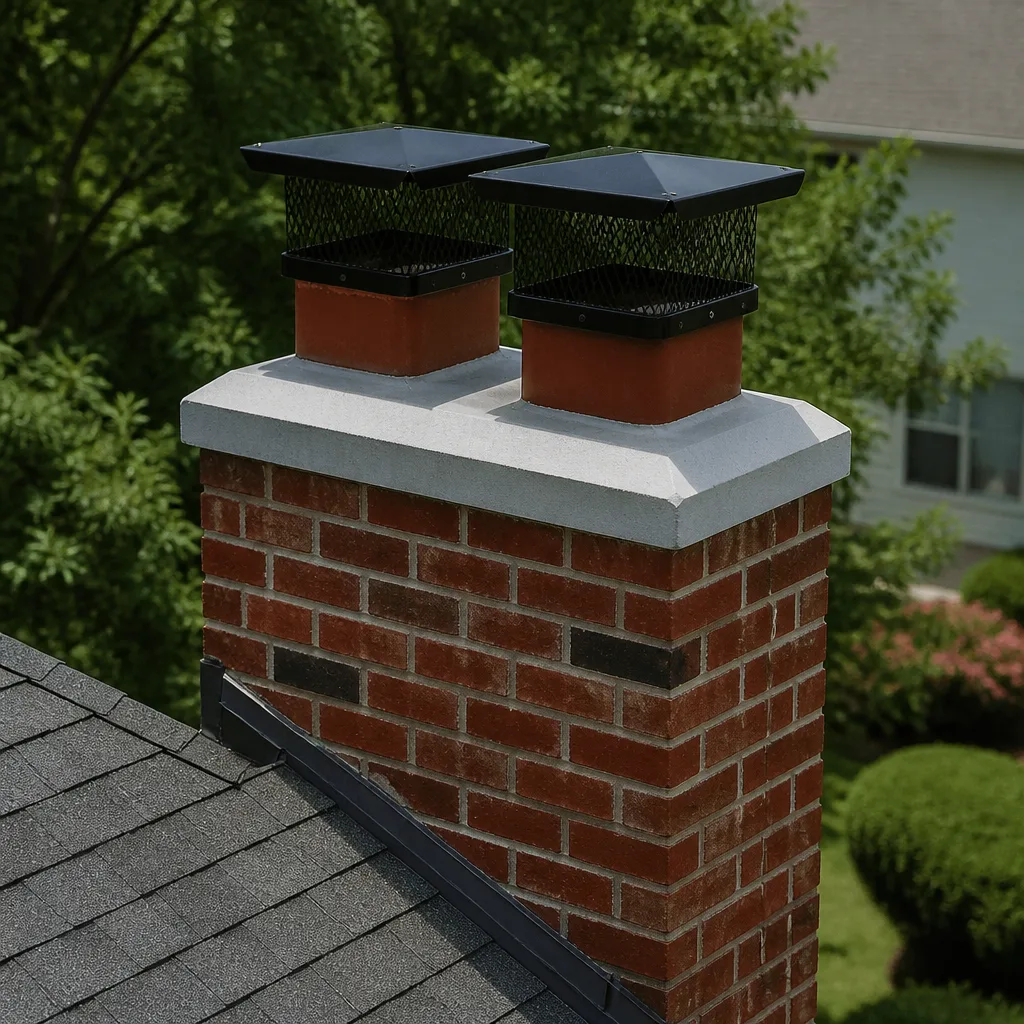 Caps & crowns
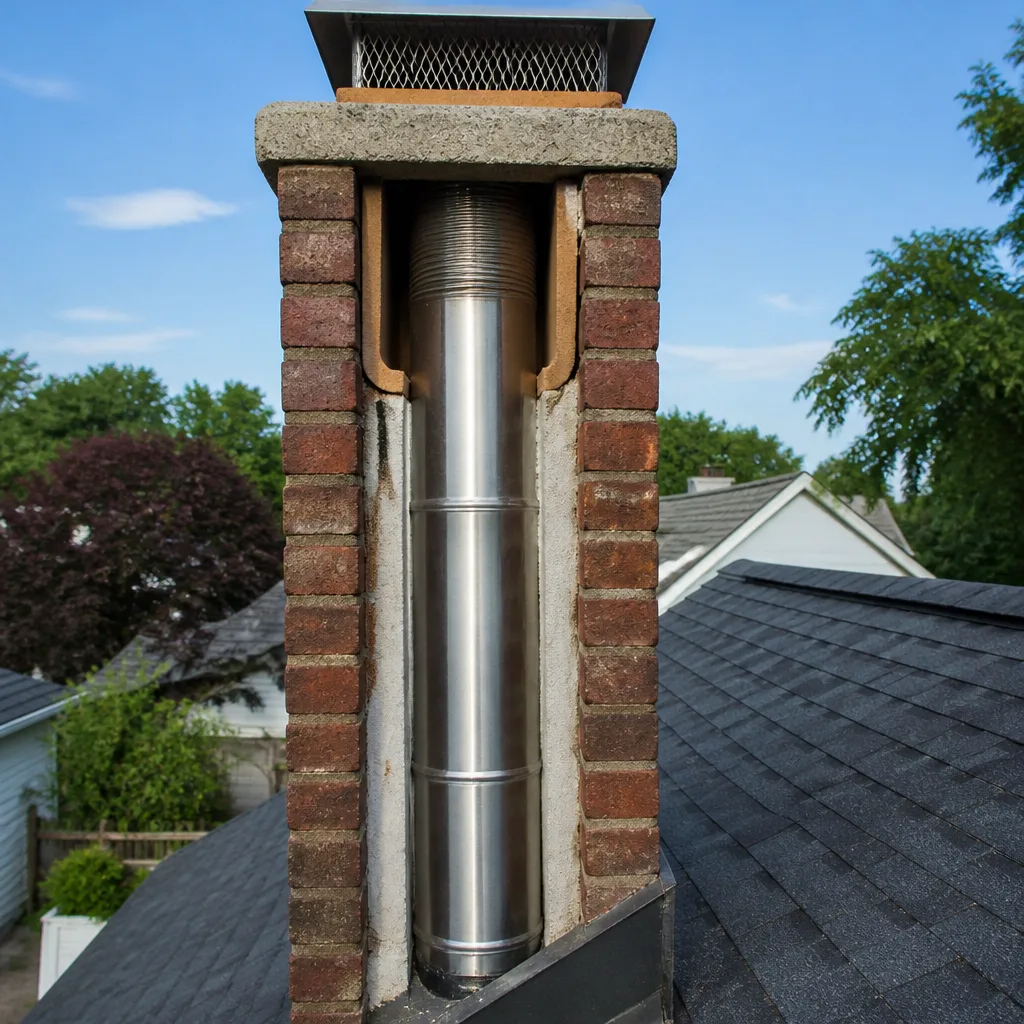 Flue relining
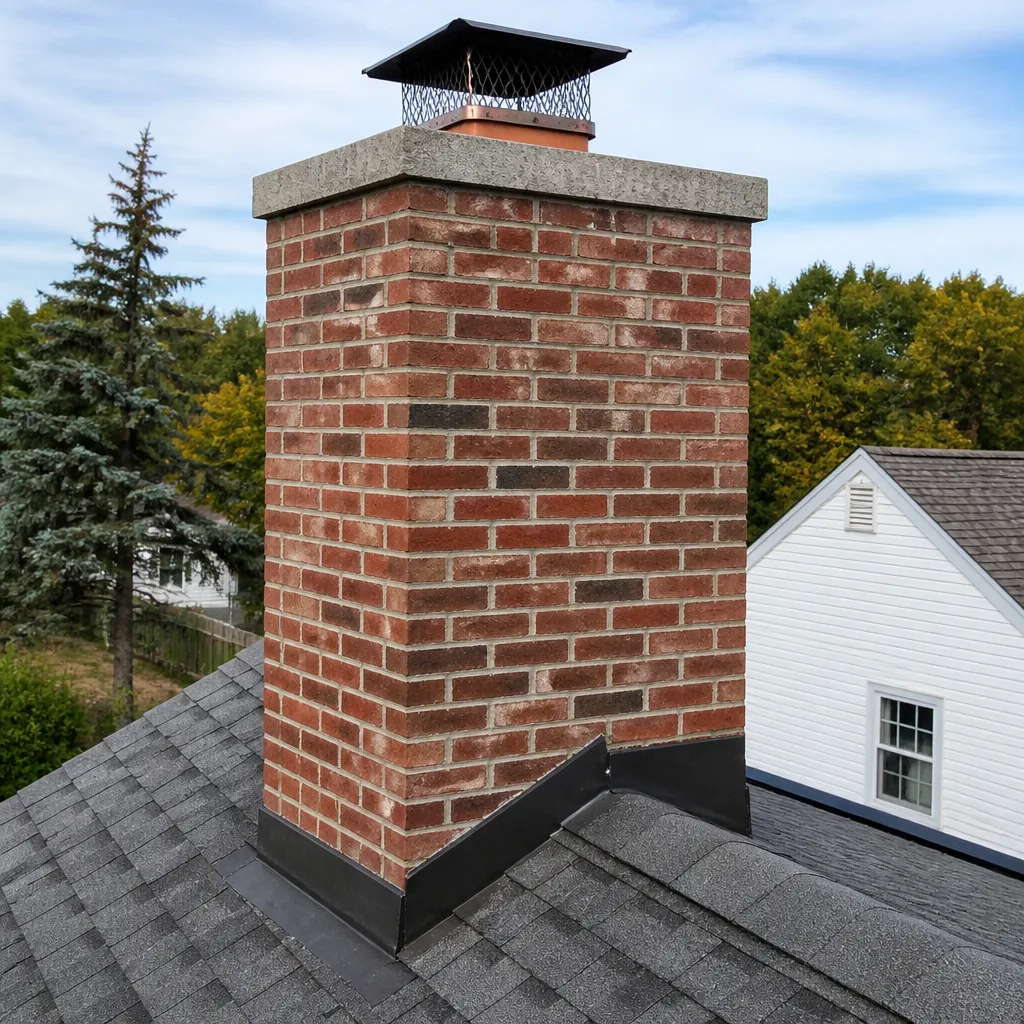 Masonry repair
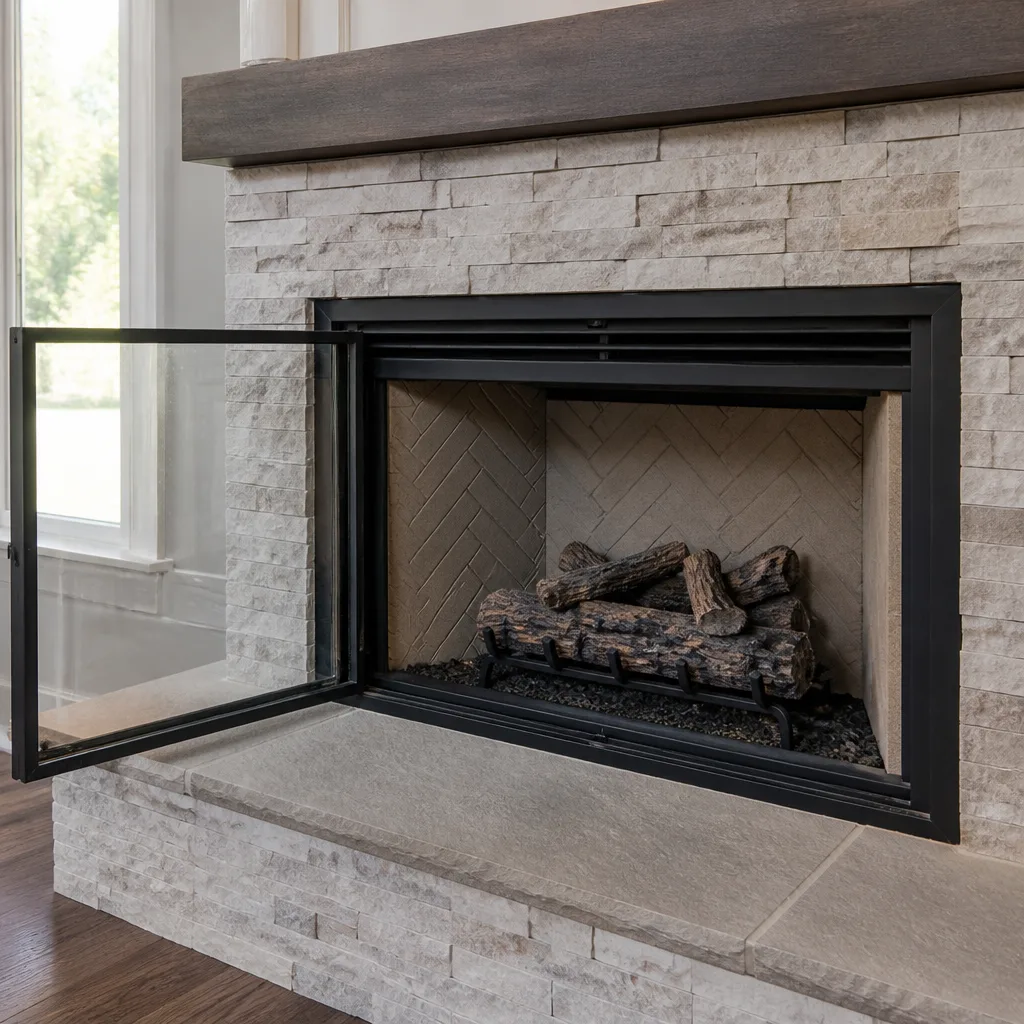 Gas fireplace service
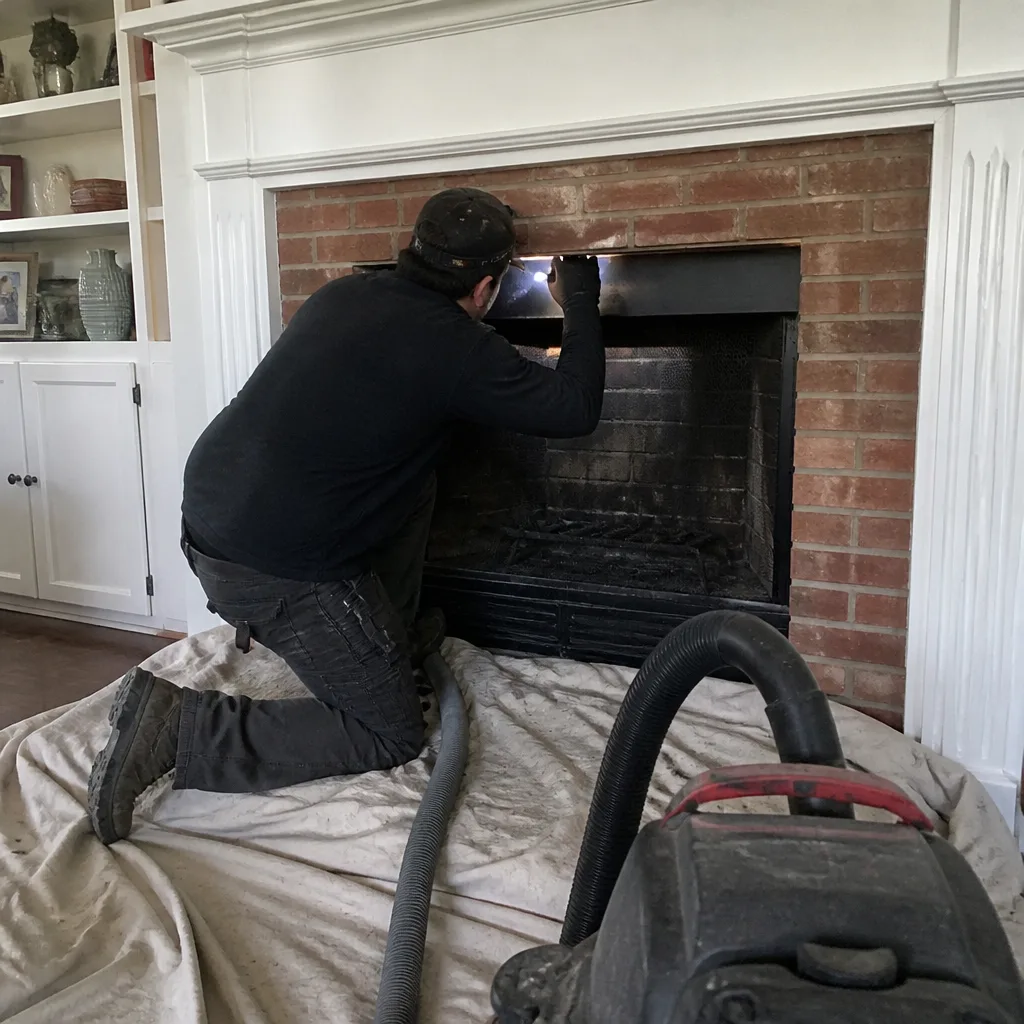
Level 1 sweep and inspection to the NFPA 211 annual standard - flue, crown, cap, and flashing checked and photographed
Chimney sweep logs do not sweep chimneys. They loosen some creosote - which then falls where a brush and vacuum still have to collect it.
Chimney Cleaning Emergency Preparedness Guide for Wilmington Homes
Most homeowners think about their chimney in the middle of winter, usually when the first cold snap hits and they want a fire that evening. That timing is backwards. The moment you truly need a reliable fireplace is after a storm knocks the power out, and that is also the worst possible time to find out your flue is clogged or your cap came loose. A chimney is emergency equipment, whether you treat it that way or not. This guide walks through what “emergency-ready” actually means for a Wilmington home, what storm events do to caps and crowns, how to burn safely during an extended outage without creating a carbon monoxide risk, and precisely what to do if you smell smoke indoors. You’ll finish knowing how to prepare before you need it.
Quick Answer
An emergency-ready chimney in Wilmington means three things are true before the lights go out: the flue is clean and unobstructed, the liner and crown are intact with no cracks admitting water or gas, and the cap and damper work so you can burn without backdraft. Preparation happens months ahead through a professional inspection and sweep, not during the outage itself. If those three conditions hold and you follow safe burning habits, a wood-burning fireplace or stove becomes a dependable backup heat source when the grid fails.
Styles & brands we work with
- Sweep & inspection
- Caps & crowns
- Flue relining
- Masonry repair
- Gas fireplace service
Table of Contents
- What “Emergency-Ready” Means for a Chimney
- Post-Storm Chimney Checklist: What Hurricanes and High Winds Do
- How to Operate a Fireplace During an Extended Power Outage
- Why Carbon Monoxide Risk Spikes When You Burn Outside Your Normal Patterns
- What to Do If You Smell Smoke or Suspect a Chimney Fire
- Getting Ready Before Burning Season
- Common Myths About Fireplaces as Backup Heat
- Common Mistakes to Avoid
What “Emergency-Ready” Means for a Chimney
Emergency-ready isn’t a feeling or a hunch. It’s a set of measurable conditions. When we inspect a flue in a Wilmington home, we’re checking the same things every time, because these are the items that decide whether you can safely light a fire when the utility crews are still clearing the road.
The first condition is a clean flue. Creosote builds up with every fire, and the third stage of it is a hard, glazed, tar-like deposit that ignites easily. If your last fire was months ago, you don’t actually know how much is sitting up there. A fire during an outage produces more creosote because people tend to burn hotter and longer, so a flue that was borderline in November is a real hazard in a January storm.
The second condition is an intact liner and smoke chamber. A deteriorated liner does two jobs at once: it channels smoke out and it protects surrounding framing from heat and from any carbon monoxide the flue produces. A flue with a cracked or disconnected liner can leak gas into attic space or a wall cavity, and you’d never see it. HeatShield liner resurfacing is one path we use when a liner is failing but not yet beyond repair. It rebuilds the inside surface rather than replacing the whole liner, which is often the smarter, less invasive repair route.
The third condition is a working cap and damper. A cap keeps out rain, debris, and animals. In Wilmington, the wind loading after a storm can be enough to knock a cap loose or tear it off entirely, which leaves the flue open to the weather. The damper has to open fully and seal at rest. A damper that sticks open drafts cold air all summer and lets hot smoke back into the room in the winter.
A chimney passes inspection when all three conditions are met. If any one fails, the chimney isn’t ready, and you should know that before, not after, the first power outage of the season.
Post-Storm Chimney Checklist: What Hurricanes and High Winds Do
Wilmington sits in a part of North Carolina where severe storms are a recurring fact of life, not a rare event. Wind, driving rain, and flying debris hit the part of the chimney most homeowners never look at: the top. Before you light a fire after any significant storm, walk through this checklist from the ground first, then get a professional opinion if anything looks off.
- Look at the cap. From the ground, check whether the cap is still centered and intact. A cap that has shifted, tilted, or partially failed is leaving the flue open to water and debris, and it needs to be re-secured before use.
- Check the crown. The crown is the concrete cap at the very top of the masonry. Storm movement cracks crowns, and a cracked crown channels water straight down into the chimney structure. Look for visible cracks or crumbling from the ground with binoculars.
- Inspect the flashing where roof meets chimney. Flashing is the metal that seals the seam between the chimney and the roof. Wind can loosen it, and once it’s loose, water gets behind it and starts rot and rust you can’t see from below.
- Look for debris in the firebox. Before you light a fire, open the damper and look up. Leaves, twigs, and even small animal nests find their way into flues during high wind.
- Confirm the damper opens freely. Storms sometimes deposit enough grit or debris to jam a damper. A fire lit behind a stuck damper sends smoke straight into the room.
The pattern to expect after a storm in the Wilmington area is that demand for sweeps jumps sharply, right when many homeowners discover a problem at the worst moment. Book the inspection before storm season rather than after. The days following a major outage are never the time to be calling around for a same-week appointment.
How to Operate a Fireplace During an Extended Power Outage
A fireplace can carry a home through a multi-day outage, but only if you operate it deliberately. The mistake is treating a backup heat source casually, piling on wood and closing the damper too early. What follows is how to keep a fire running safely for days at a time when the furnace is off and the thermostat is meaningless.
Before you build the first fire
- Open the damper fully and verify it stays open. If it drifts closed, prop or secure it.
- Check the firebox for obstruction and clear any debris.
- Make sure a carbon monoxide alarm on each level of the home has a working battery. This is the single most important safety step during an outage.
- Crack a window slightly in the room with the fireplace to give the fire makeup air, especially in a tightly sealed home.
While burning through the outage
- Burn dry, seasoned wood only. Wet or green wood produces far more creosote and much less heat, and during a long outage creosote is the thing you want to minimize.
- Don’t overload the firebox. A steady, moderate fire burns cleaner than a roaring one.
- Never close the damper until the fire is fully out and the embers have cooled. Closing it early pushes carbon monoxide into the room.
- Keep the fire attended. A backup fire that runs all night while everyone sleeps is the scenario where CO problems happen.
- Keep combustibles well back from the hearth, and keep a fire extinguisher within reach.
Treat the fireplace as equipment with rules, not as a cozy convenience. A wood stove follows the same logic: dry wood, a clean flue, an open air supply, and attention.
Why Carbon Monoxide Risk Spikes When You Burn Outside Your Normal Patterns
Carbon monoxide risk gets worse exactly when homeowners change how they use the fireplace, not necessarily when they use it more. During an outage, people burn longer, burn different wood, keep the damper partly closed to hold heat, and run fires while they sleep. Each of those changes moves the fire away from the conditions the chimney was designed for. That combination is where CO incidents come from.
The flue works by drafting: warm smoke rises and pulls air in from the room. Anything that interferes with that draft pushes combustion gases back into the house instead of up the chimney. A partially closed damper, a partially blocked flue, a clogged cap, negative pressure in a sealed house, or a cold flue at startup can all reverse the draft. You won’t smell carbon monoxide. That’s the whole problem with it.
The second factor is a failing liner. If the liner has cracks or gaps, CO can escape into the structure rather than out the top, and there’s no visible sign from inside the room. This is why liner condition matters so much for emergency use. We use DuraFlex flexible liner systems for retrofits because they’re engineered for the high-temperature environment of a flue and they restore a continuous path for the smoke and gas. A liner that’s sound is what makes a backup fire safe to run for days.
What to do: install a CO alarm on every level, test it before burning season, and never run a fire with the damper in a partial position to “save heat.” That habit is the most common cause of CO creep we encounter.
What to Do If You Smell Smoke or Suspect a Chimney Fire
Smoke in the house or a suspected chimney fire is a specific emergency with a specific order of actions. Don’t improvise. Follow these steps.
- Get everyone out of the house first. Move people and pets outside, then call 911. A chimney fire can spread into the structure quickly, even if you can’t see it from the hearth.
- If it’s safe to do so and the fire is small, cut off the air. Close the damper and the stove doors or glass doors to starve the fire of oxygen. If you can’t reach the controls safely, don’t try. Leave it to the fire department.
- Never put water on a chimney fire. Water on a hot flue can cause a steam explosion or crack the liner. That turns a contained fire into a structural problem.
- Watch for signs of a chimney fire even after the flames die down. A loud roaring sound, a persistent burning smell, discolored or warped metal on the cap, or creosote flakes on the roof are all signals that a fire happened inside the flue.
- Don’t use the chimney again until it’s been inspected. A chimney fire damages the liner, and the damage isn’t always visible from the firebox. A professional inspection confirms whether the flue is still safe.
For smoke backing into the room without an active fire, the usual cause is a blocked flue, a cold chimney, or a closed damper. Open a window, confirm the damper is open, and don’t relight until you’ve had the flue checked. Smoke coming back into the living space is a sign the chimney isn’t doing its one job.
Getting Ready Before Burning Season
Emergency prep is a warm-weather job. You want a sweep and an inspection done well before the first cold night, so that any repair can be scheduled without pressure. The best time to book a Wilmington appointment is late summer or early fall, before storm season and cold weather line up.
What a thorough visit covers:
- A full chimney sweep to remove creosote and any debris from the flue and firebox.
- A chimney inspection that checks the liner, smoke chamber, crown, cap, flashing, and damper.
- A written report on any chimney repair that’s needed, with a clear priority on what’s safety-critical versus what can wait.
Our technicians have up to 13 years of experience, and they check the same items on every visit. When repairs are needed, we use professional-grade materials from brands specialists trust, including HeatShield for liner resurfacing and DuraFlex for flexible liner retrofits. We’re a chimney specialist, not a generalist, so the work stays with people whose expertise is concentrated in this trade. One call covers the sweep, inspection, and any repair, so you’re not coordinating multiple contractors. If you’re new to the area or just getting oriented, our Wilmington page is the place to start.
Common Myths About Fireplaces as Backup Heat
Three myths come up again and again when homeowners prepare for storm season.
Myth one: any fireplace works as backup heat. A fireplace is backup heat only if the flue is clean and the liner is sound. A neglected chimney isn’t a heat source; it’s a fire hazard you haven’t discovered yet. The backup function and the safety function are the same function.
Myth two: you only need a sweep when you burn a lot. How much you burn matters less than how consistently the chimney drafts and vents year-round. Even light use adds creosote, and the flue can collect debris and animal nests between burns. Occasional use doesn’t make a chimney maintenance-free.
Myth three: a fireplace quickly heats the whole house. A traditional open fireplace loses most of its heat up the flue; it can even pull warm air out of the room. A wood stove with a properly fitted flue is a far more efficient backup. Either way, the chimney’s job is to vent safely, and that job doesn’t change with the weather.
Common Mistakes to Avoid
- Waiting for the outage to think about the chimney. The day the power goes out is the worst possible moment to call for a sweep. In Wilmington, demand spikes during storm season, and scheduling gets tight. Book before, not after.
- Burning wet or green wood to stretch the supply. It produces more creosote and less heat, exactly wrong for a long outage. Season your wood ahead of time.
- Closing the damper to “keep the heat in.” This is the single most common cause of carbon monoxide problems during outages. A closed damper traps gases in the room.
- Skipping the cap and crown check after a storm. Wind and driven rain loosen caps and crack crowns. Water intrusion through a cracked crown damages the structure over time, often invisibly.
- Assuming the liner is fine because there’s no visible smoke. Liner damage shows up as carbon monoxide, not as smoke in the room. A professional inspection is the only reliable check.
- Running a fire overnight while everyone sleeps during an outage. An unattended fire is where CO and chimney fires begin. Let it burn down before bed.
- Skipping the CO alarm. A working carbon monoxide alarm on every level is non-negotiable when a fireplace is your backup heat. Test it before every season.
See the difference
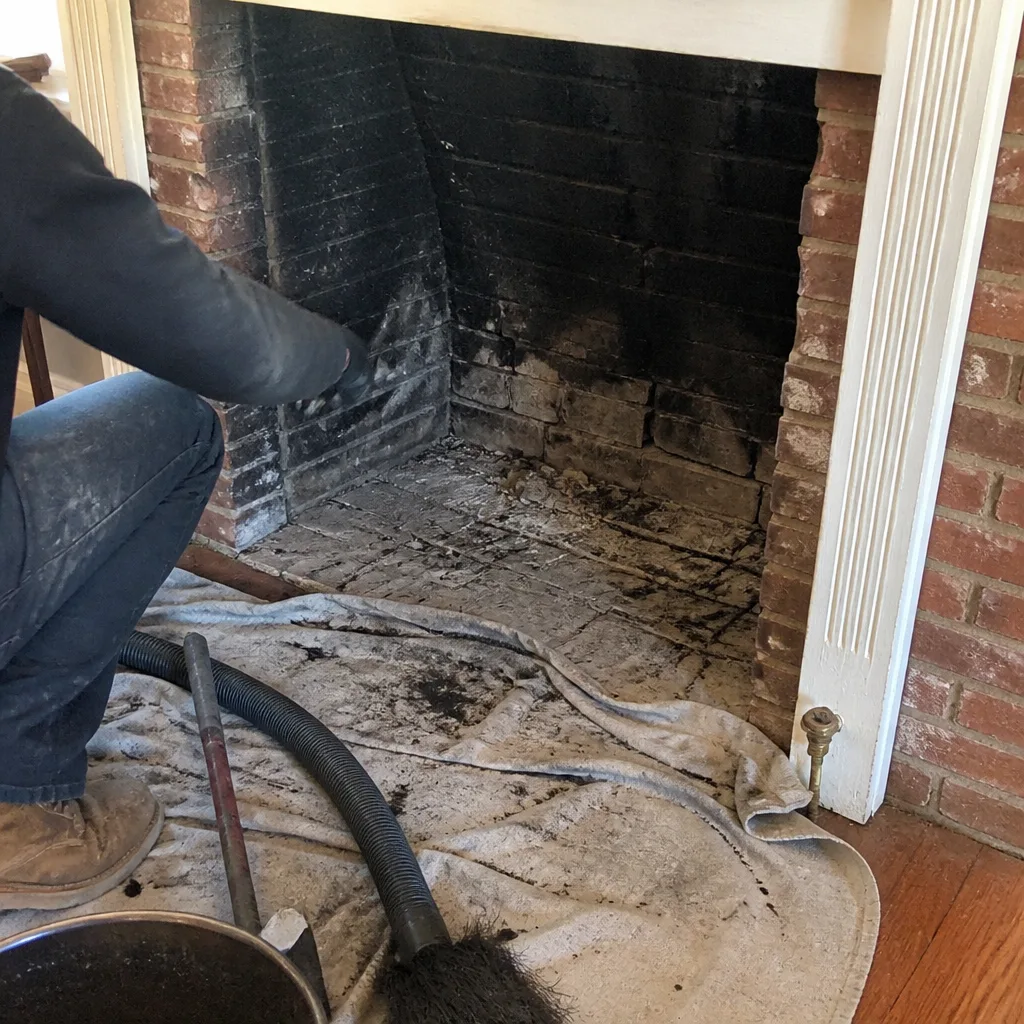 Before
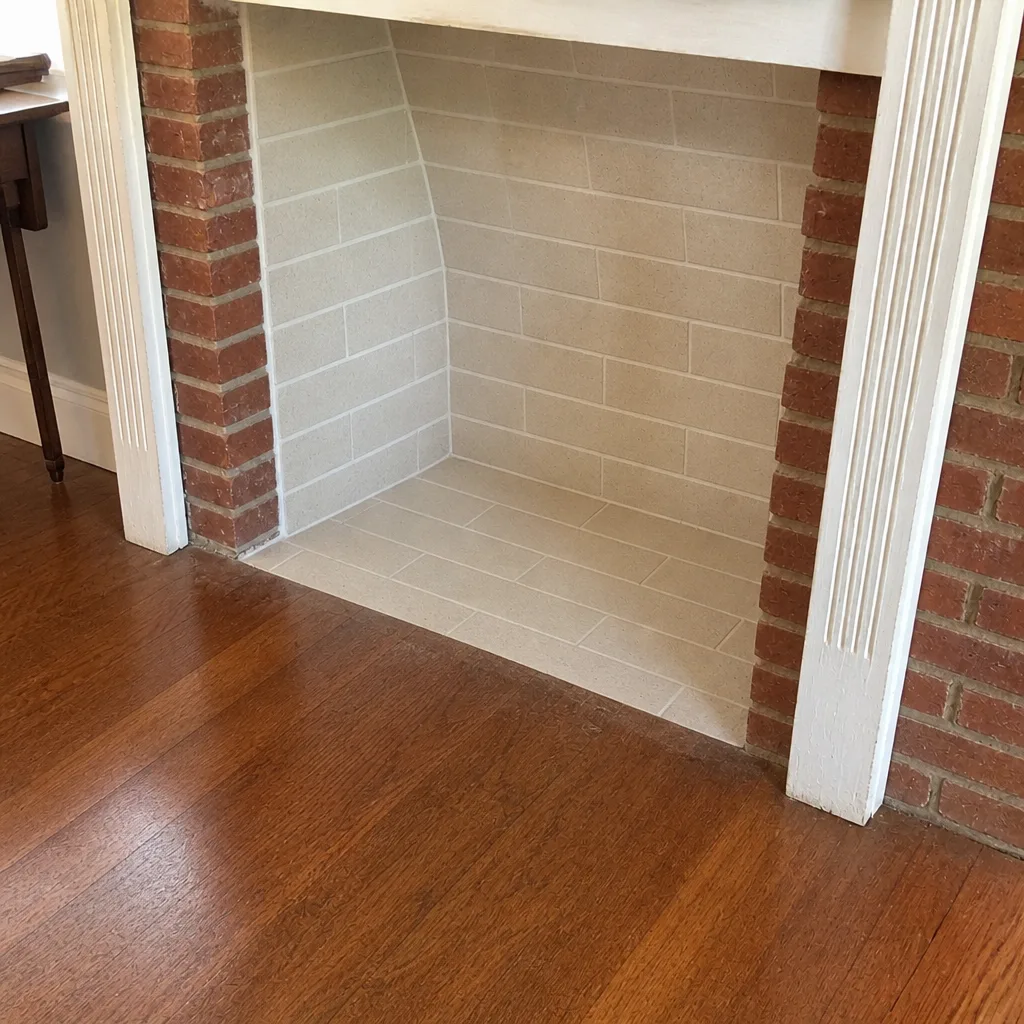 After
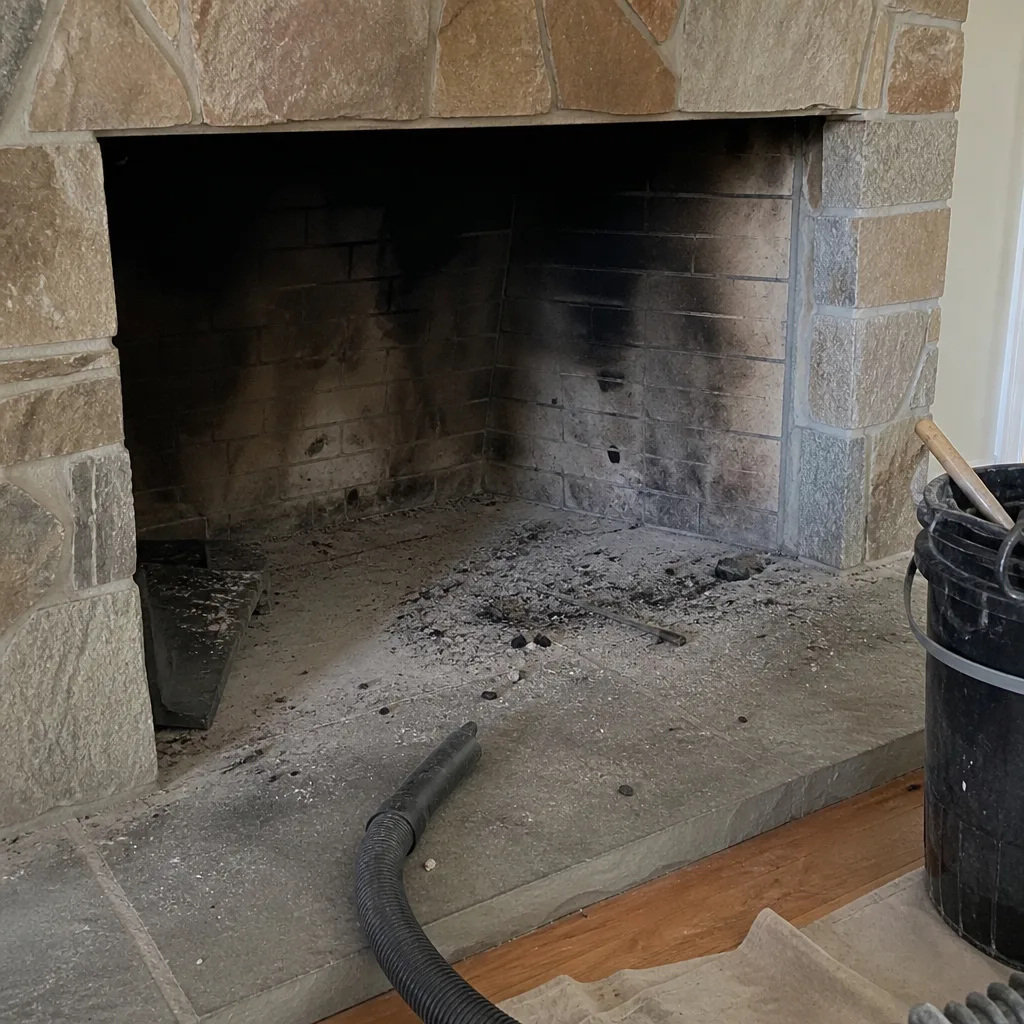 Before
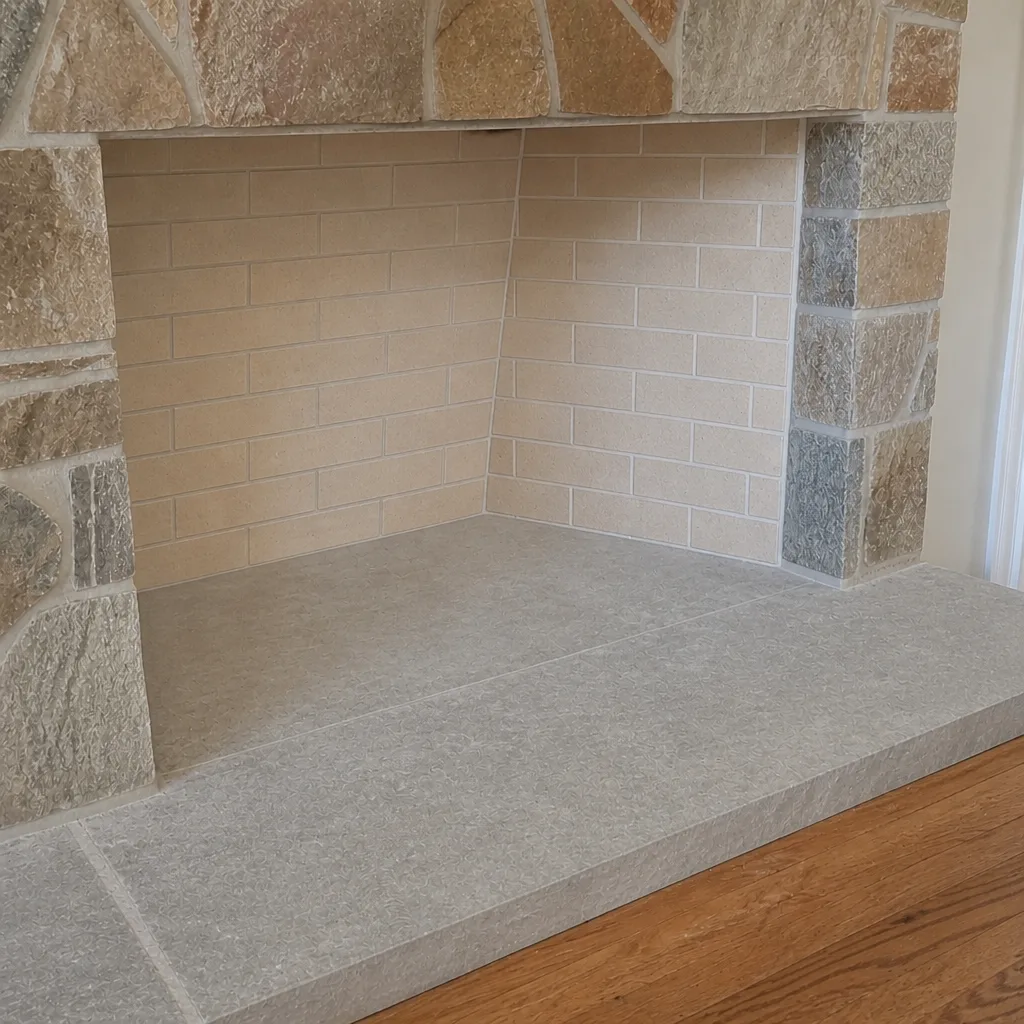 After
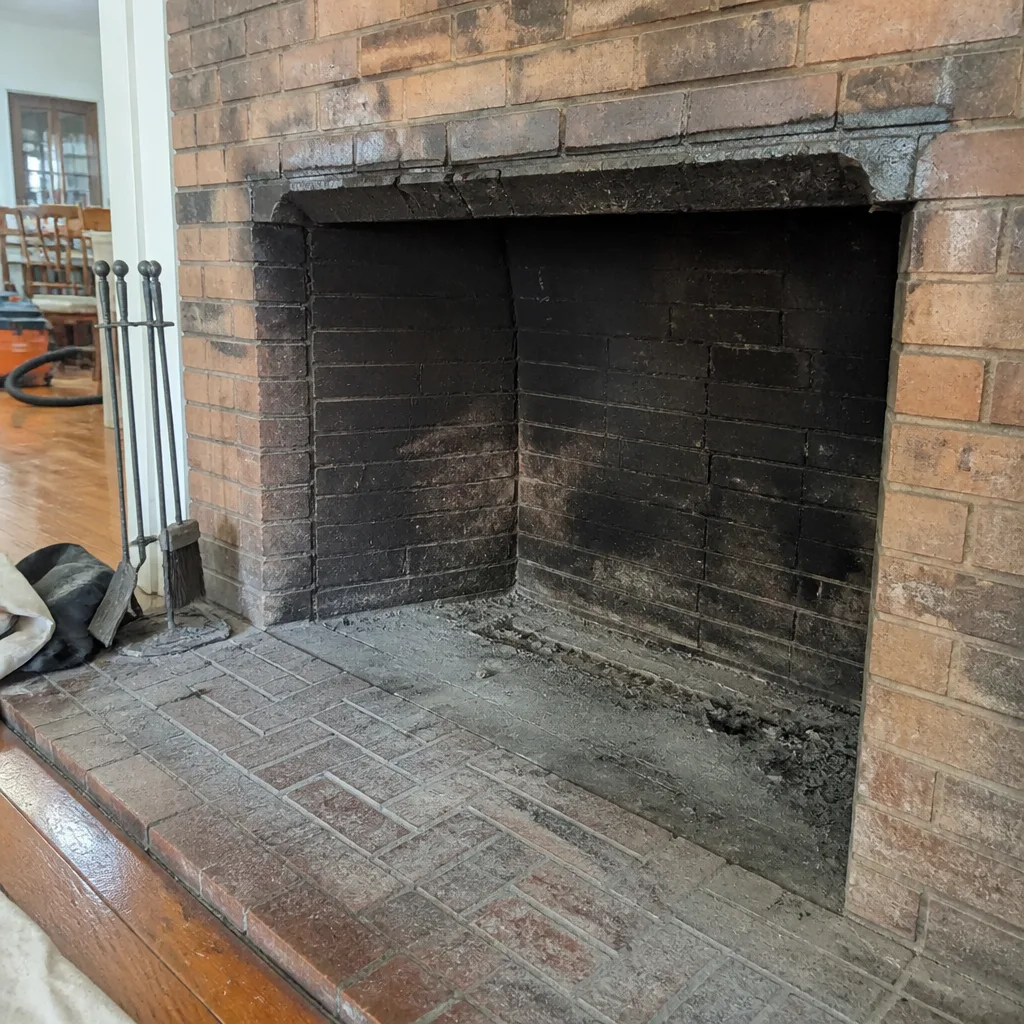 Before
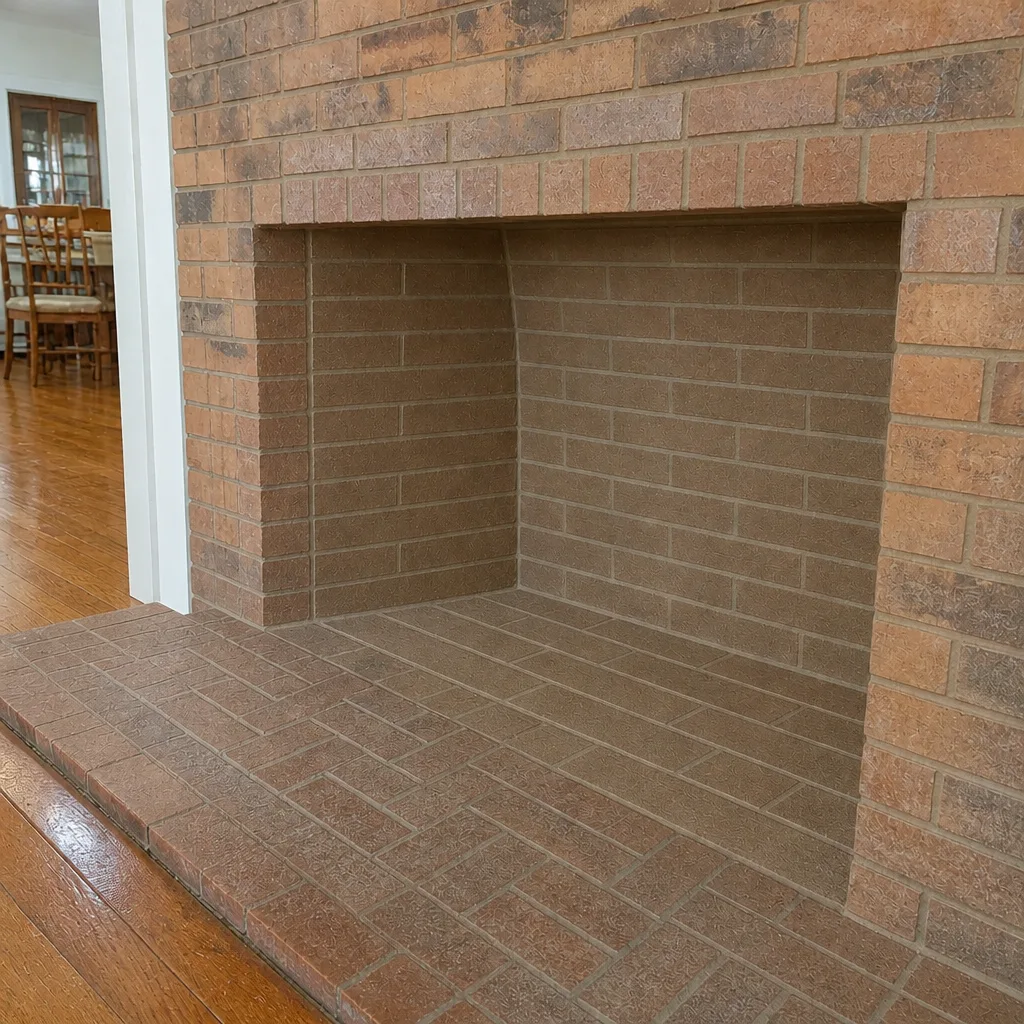 After
When to Call a Professional
Some things are routine inspection, and some things are a call you make today. Call a professional if you’ve had any storm damage to the cap, crown, or flashing; if you’ve smelled smoke in the house or suspect a past chimney fire; if the liner looks damaged or the firebox shows cracks; if you’re buying a home with a fireplace and don’t know its history; or if it’s simply been more than a year since the last sweep and inspection. Our chimney-only focus means every technician’s skill set is concentrated in this one trade, which is why we recommend never treating a chimney as a job for a general handyman. Wilmington Chimney Cleaning offers free estimates in Wilmington. Call (855) 947-5166. We answer 24/7. Fast dispatch from 7am to 7pm, Sunday through Friday.
Frequently Asked Questions
Most wood-burning fireplaces should be swept about once a year, or sooner if you burn heavily or notice creosote buildup. A gas insert needs an annual inspection even though it produces less soot. After any major storm, it’s worth an inspection regardless of the calendar. Call (855) 947-5166 to schedule a sweep and inspection before the season.
Yes, if the flue is clean, the liner is sound, and the damper works. Those conditions should be confirmed by an inspection before the outage, not during it. During a power outage, crack a window for makeup air, keep the fire attended, and never close the damper until the fire is fully out. If you’re not sure your chimney is ready, call us before you burn.
A chimney inspection checks the flue, liner, smoke chamber, crown, cap, flashing, and damper, and reports on any repair that’s needed. We confirm what’s safety-critical versus what can safely wait, so you’re not guessing. Call (855) 947-5166 to book one and get a clear written report.
Creosote builds in three stages, and the later stages are hard, glazed, and highly flammable. During a long power outage, fires burn hotter and longer, which is exactly when accumulated creosote is most likely to ignite. A sweep removes it before it becomes a chimney fire risk. Call us to schedule a sweep ahead of storm season.
Smoke backing into a room usually means a blocked flue, a closed or jammed damper, or a draft problem, and it should be treated as a warning sign. Don’t relight until the flue has been checked. If there’s an active fire in the chimney or you suspect one, get everyone outside and call 911 first. Then call us to inspect the flue before you use it again.
Often, yes. HeatShield liner resurfacing can rebuild the inside surface of a deteriorating liner without a full replacement, which is a cost-effective repair path. When a full replacement is needed, DuraFlex flexible liner systems are engineered for high-temperature flue environments. An inspection tells us which route your flue actually needs. Call (855) 947-5166 for a free estimate.
The Bottom Line
Emergency preparedness for a fireplace comes down to treating the chimney as safety equipment you maintain on a schedule, not as a cozy upgrade you hope works. Get a professional sweep and inspection done before burning season, understand the storm checklist for caps, crowns, and flashing, and run your fire deliberately during any outage with a working CO alarm on every level. If you smelled smoke or suspect a past chimney fire, get it inspected before you light again. A chimney that’s ready is one you’ve prepared, in advance, in Wilmington. Book the sweep and inspection now, and call (855) 947-5166 for a free estimate. We answer 24/7. Fast dispatch from 7am to 7pm, Sunday through Friday.
Written by the team at Wilmington Chimney Cleaning.