
Last updated November 16, 2026
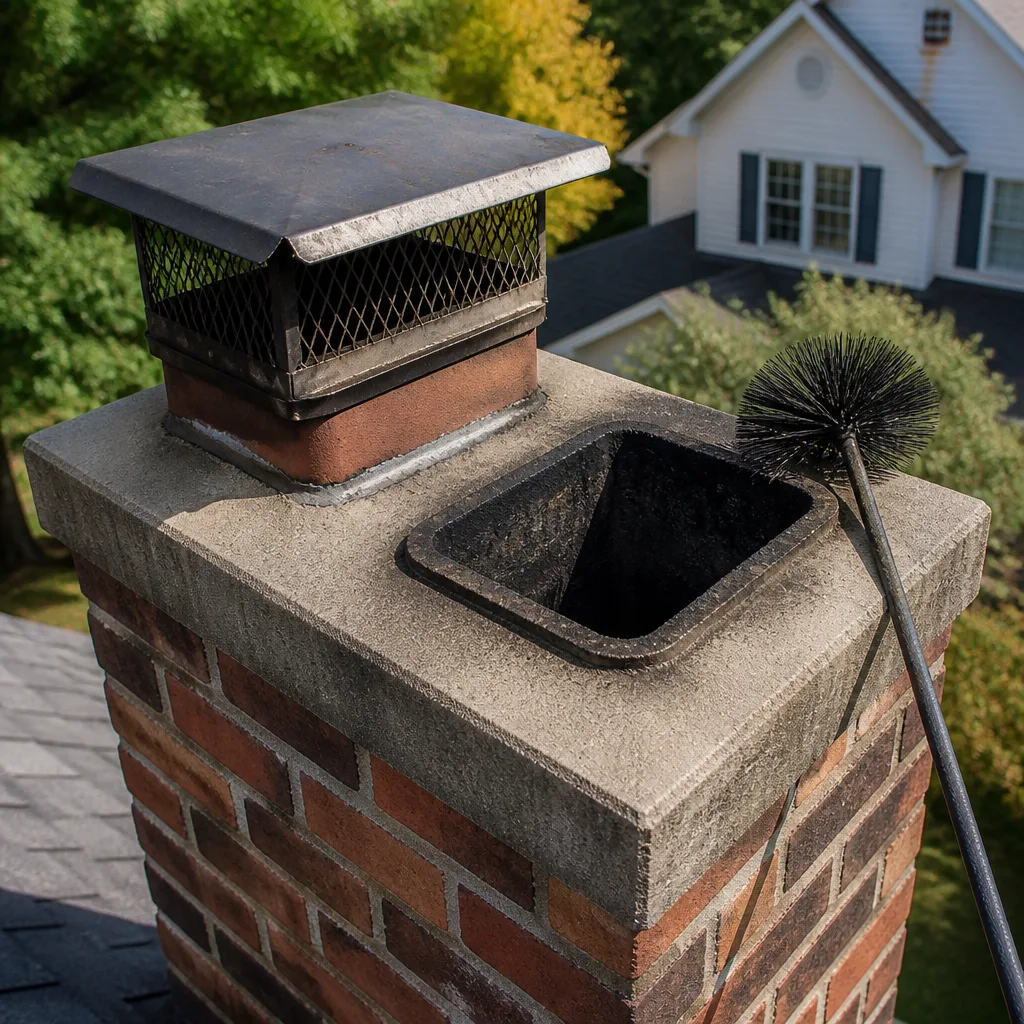 Sweep & inspection
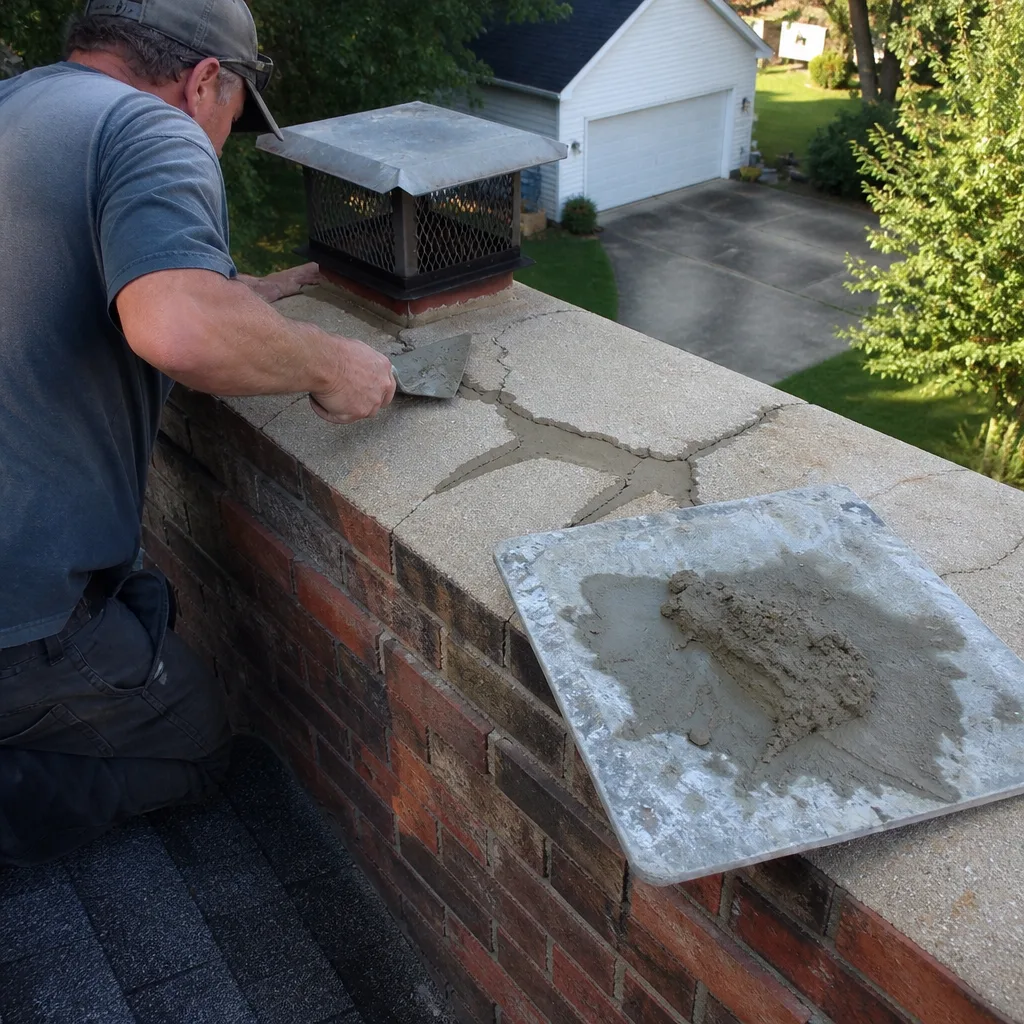
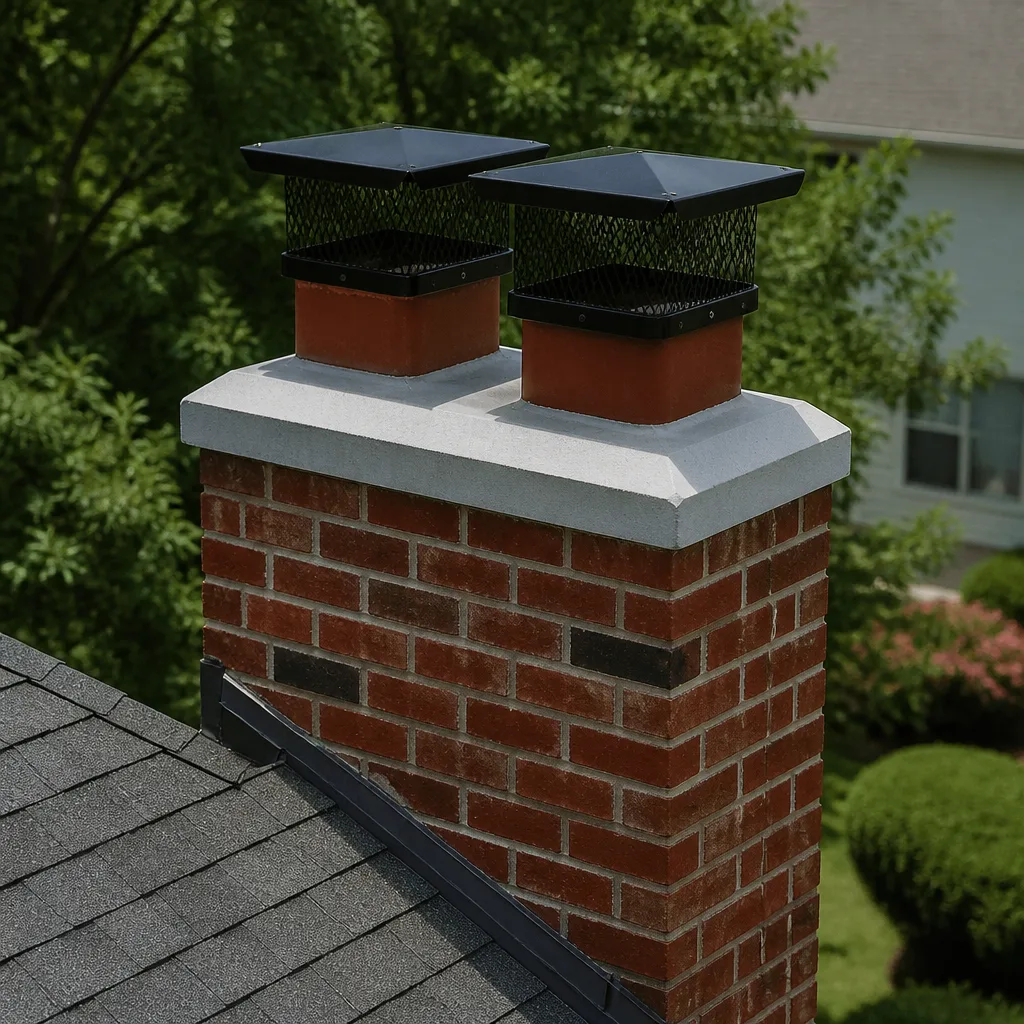 Caps & crowns
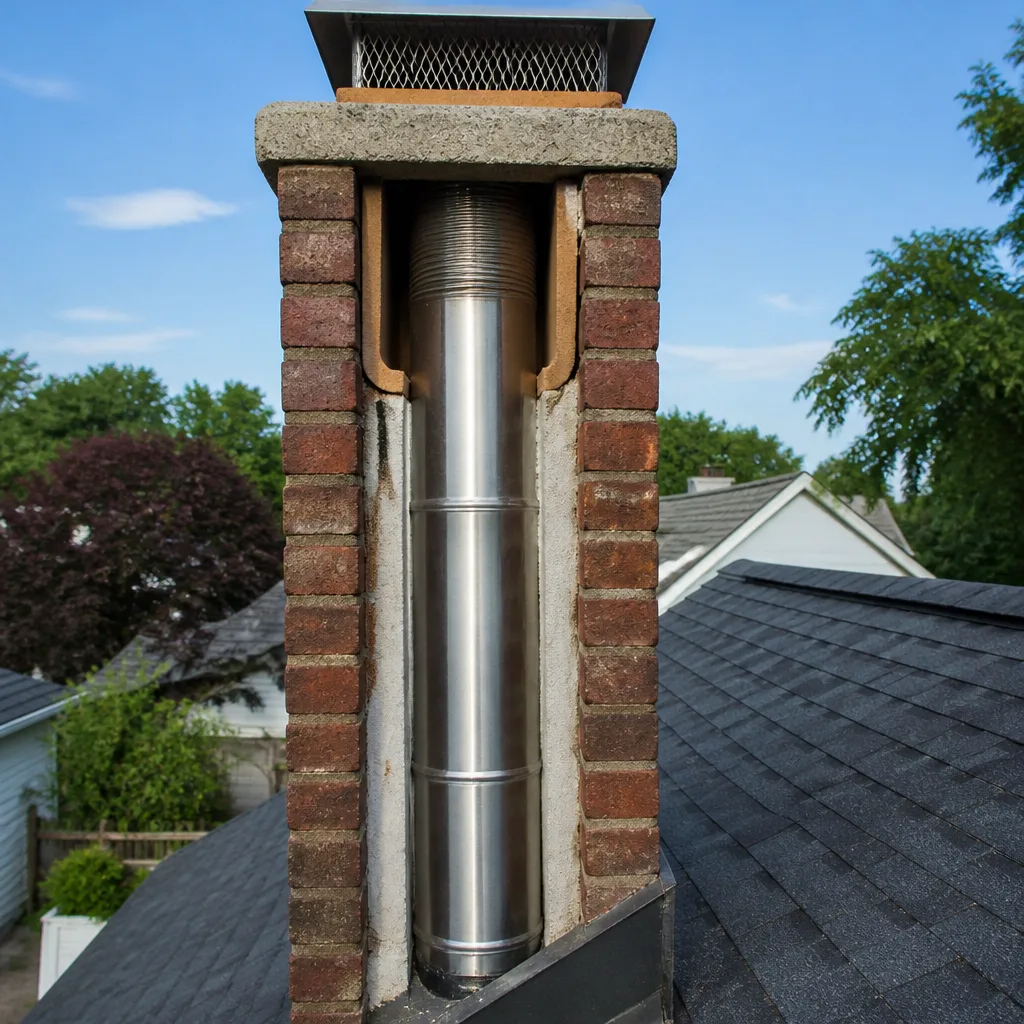 Flue relining
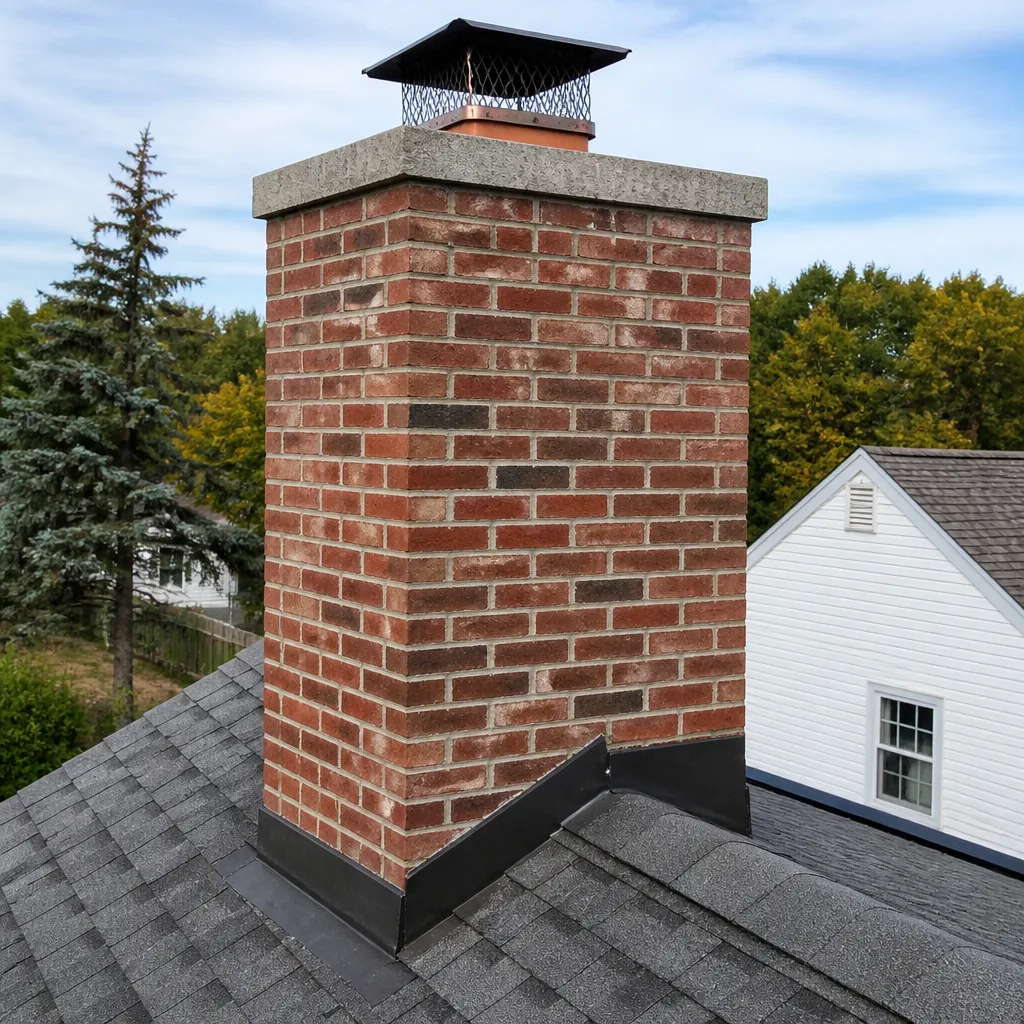 Masonry repair
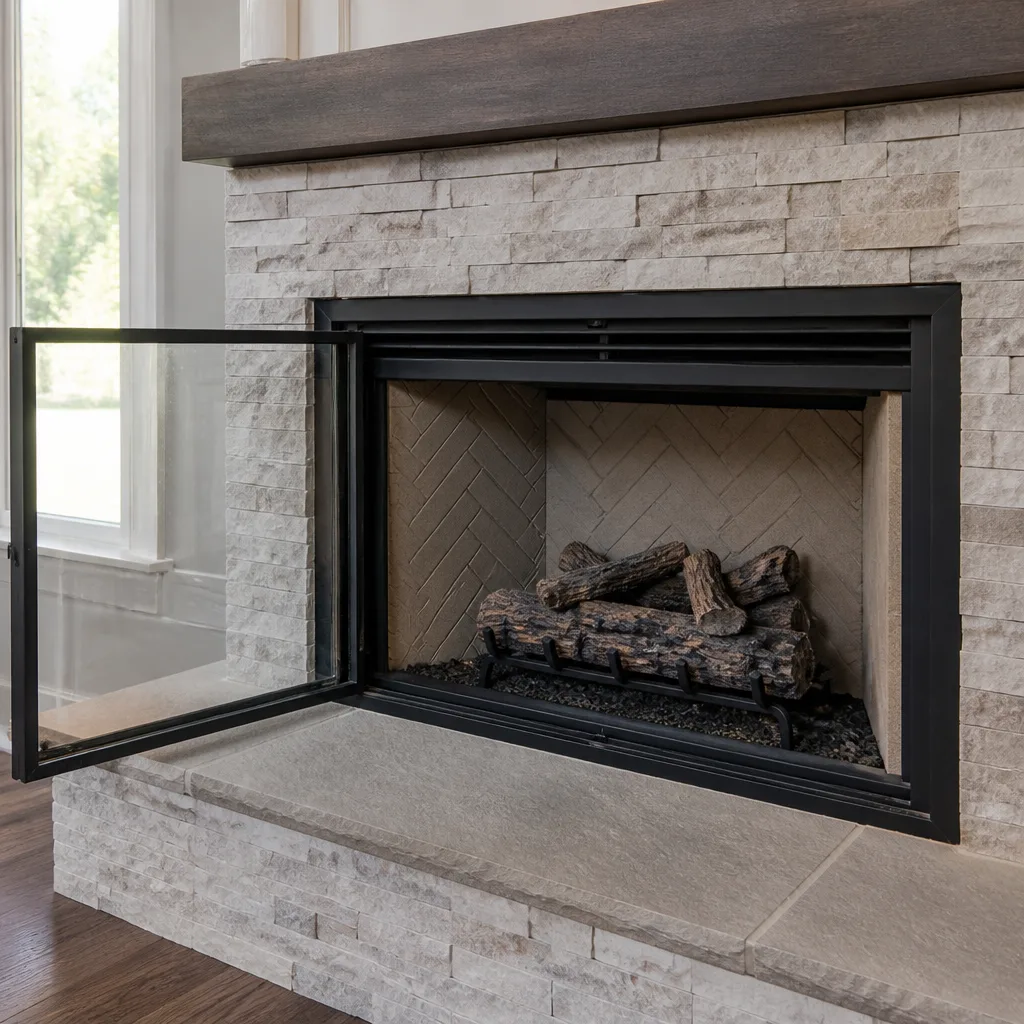 Gas fireplace service
Level 1 sweep and inspection to the NFPA 211 annual standard - flue, crown, cap, and flashing checked and photographed
Chimney sweep logs do not sweep chimneys. They loosen some creosote - which then falls where a brush and vacuum still have to collect it.
How to Hire a Chimney Cleaning Contractor in Wilmington: A Step-by-Step Guide
Most homeowners in Wilmington choose a chimney contractor the way they’d choose a pizza place: whoever answers the phone first and quotes the lowest number. That’s a mistake, because the person who shows up with a brush and a ladder determines whether your flue is safe to burn in this winter. CSIA certification takes real study and ongoing continuing education, and any chimney contractor who can’t produce it on request is telling you something important about how seriously they take the trade. This guide walks you through exactly what to check, what to ask, and what a fair quote looks like so you can hire with confidence in Wilmington.
Quick Answer
To hire a chimney cleaning contractor in Wilmington, verify CSIA certification directly through the CSIA’s online directory (not just a logo on a website), confirm the company carries liability insurance specifically for chimney work, and insist on a written quote that itemizes inspection, sweeping, and any recommended repairs separately. A dedicated chimney specialist will pass all three checks without hesitation. A generalist who lists chimney work among a dozen other services usually won’t.
Styles & brands we work with
- Sweep & inspection
- Caps & crowns
- Flue relining
- Masonry repair
- Gas fireplace service
Table of Contents
- Why a Chimney Specialist Beats a Generalist in Wilmington
- What CSIA Certification Actually Means (and How to Verify It)
- The Five Questions to Ask Before You Book
- Red Flags Specific to the Wilmington Market
- How to Read a Chimney Quote Line by Line
- Why the Cheapest Bid Often Skips the Inspection
- A Step-by-Step Process for Hiring
- Common Mistakes to Avoid
Why a Chimney Specialist Beats a Generalist in Wilmington
Wilmington has no shortage of contractors who’ll add “chimney sweep” to their service list. It’s steady work with low overhead if all you own is a brush and a shop vac. The problem is that chimney work isn’t a single task. It’s a stack of related disciplines: drafting, combustion, moisture management, flue liner integrity, venting, and structural repair. Those don’t come from watching a two-hour video.
A dedicated chimney contractor’s entire skill set is concentrated in this one trade. Their technicians see the same problems week after week: cracks in a flue tile, gaps behind a damper, a crown that’s gone porous after years of our humid summers. They know what a healthy liner looks like and what one looks like six months before it fails. A generalist sees those same defects far less often and is much more likely to miss them or recommend the wrong fix.
The materials used matter just as much. Professional chimney work typically relies on recognized product systems: DuraFlex flexible liners for retrofits where the flue needs a new path, HeatShield for resurfacing a deteriorating liner without tearing it out, and components from makers like Olympia Chimney and Gelco for caps and venting. A specialist sources these because the manufacturer’s installation specs and warranty depend on them. A generalist running to the hardware store for a substitute is quietly voiding your warranty before the job even starts.
There’s a practical side too. When the same company handles your chimney sweep, your repair, and your inspection, the findings don’t get handed off between businesses. The person who sees the inside of your flue on a camera is the same one who quotes the fix. That continuity is worth something.
What CSIA Certification Actually Means (and How to Verify It)
CSIA stands for the Chimney Safety Institute of America. Their certification is the recognized credential in this trade, and it isn’t a badge you buy. Certified sweeps pass an exam covering codes, venting, combustion, and diagnostics, and they have to keep up with continuing education to stay certified. The credential is specific to chimney work. It’s not interchangeable with a general contractor’s license, a home inspector’s certification, or a handyman’s “insured and bonded” claim.
Anyone can put the letters “CSIA” on a website. Verification is simple, and it takes about three minutes:
- Go to the CSIA’s public certification directory online.
- Type in the company name, then type in the name of any technician who’d actually be working in your home.
- Confirm the certification is current, not lapsed or expired.
- Check that the listed status matches what the company told you on the phone.
If a contractor can’t tell you which of their technicians holds the certification, that’s a problem. If they can’t produce the credential at all, that’s a bigger one. Certification isn’t the only thing that matters in a hire, but a contractor who takes the trade seriously will always be able to show it. One who waves it off as “a piece of paper” is telling you how they handle the rest of the details, too.
For homeowners who burn wood regularly, certification matters beyond paperwork. Certified sweeps understand how a wood-burning fireplace drafts, how a masonry flue ages, and why the flue liner’s condition determines whether your fire is safe to light. In a Wilmington home where the fireplace sits unused for eight or nine months a year, that knowledge is more valuable, not less. Stagnant months hide problems that a certified sweep will find.
The Five Questions to Ask Before You Book
The phone call before booking tells you almost everything. Ask these five questions in order and listen carefully to how the answers are delivered. A specialist answers them directly. A generalist deflects, gets vague, or over-promises.
1. “Is your company CSIA certified, and can I verify it?” The answer should be yes, with no hesitation and no conditions. Awkwardness here is a fail.
2. “Will you perform a camera inspection as part of the service?” Camera inspection isn’t optional in professional-grade chimney work. It’s the only way anyone can actually see what’s inside your flue. If the answer is “only if you ask for it,” ask why it isn’t standard.
3. “Do you carry liability insurance that specifically covers chimney work?” General liability policies sometimes exclude chimney work because of the roof access and fire risk. Confirm the coverage applies to this kind of job, not just any home improvement task.
4. “What brands of liner and repair materials do you install?” A specialist will name real professional-grade systems like DuraFlex, HeatShield, Olympia Chimney, or Gelco. Vague answers (“we use whatever’s best for your chimney”) usually mean off-the-shelf parts from a home center.
5. “If you find a problem, will you walk me through the camera footage before recommending work?” The right answer is an unqualified yes. Anyone recommending a $3,000 liner replacement without showing you what they saw is asking you to take it on faith. You shouldn’t.
If a contractor passes all five, you’re talking to a candidate worth booking. If they pass three, ask follow-up questions. If they pass one or two, keep calling. There are specialists in this market. You don’t have to settle for whoever’s cheapest.
Red Flags Specific to the Wilmington Market
The Wilmington contracting market has a few characteristics that make vetting especially important. Home sales have been active for years, and that means a lot of contractors work on referral momentum rather than reputation. Some operate with a phone number, a website, and a truck. That’s not automatically a problem, but it raises the bar on your due diligence.
Here’s what to watch for:
- No physical mailing address anywhere on the website or paperwork. A real business can produce a business address when asked. It doesn’t have to be local, but it has to exist.
- No verifiable liability insurance specific to chimney work. Ask for a certificate of insurance and confirm the coverage applies. If they dodge, that’s your answer.
- No mention of CSIA certification. A specialist will lead with it. A generalist will mention it only if you ask, and might garble what it stands for.
- Quotes delivered over the phone before anyone has looked at the chimney. Real quotes come after inspection. A phone quote is a guess, and it’s usually a low one to get you to book.
- “We’ll take a look and let you know” as the whole plan. The service should have a defined scope. That means a sweep, a camera inspection, and a written summary of findings. Not a vibe check.
- Pressure to add liner replacement or masonry work the same day without showing you footage. See the quote section below for how a legitimate recommendation is presented.
- Willingness to work at unusual hours as a “convenience.” Chimney work involves roofs and fire. A contractor who advertises flexibility that suggests rushed, off-peak work may be skipping steps to fit more jobs in.
The market also matters for one practical reason: our humid summers and mild winters mean a chimney can sit idle for months and then get a workout in the first cold snap. Problems like a cracked crown, a spalling flue tile, or a damaged damper don’t announce themselves in July. They announce themselves when you build your first fire and smoke backs up into the room. A specialist will catch them during an inspection. A generalist who’s been working on gutters all summer may not.
How to Read a Chimney Quote Line by Line
A good chimney quote is itemized, specific, and honest about what it does not include. A bad one is a single lump sum. Here’s what a fair quote for a routine sweep-and-inspect in Wilmington should typically show:
- Level of inspection (usually a Level 1 for an annual sweep, a Level 2 when a sale, a change of fuel, or a problem is involved). The level should be named explicitly.
- Sweeping scope – which flue or flues, and whether the firebox and smoke chamber are included.
- Camera inspection listed as a line item, not bundled silently into the sweep price.
- Written report or photo summary following the inspection.
- Repairs, if any, priced separately with the specific product named (for example, HeatShield for resurfacing or a DuraFlex liner for a retrofit).
- Disposal of creosote and debris, since some contractors charge separately.
What should be missing from a good quote: vague “shop supplies” charges that balloon the total, add-ons you didn’t authorize, and pressure to sign for repair work before the inspection happens.
What the absence of those line items tells you is more important. If the quote is a single number with no inspection level named, no camera scope, and no report listed, they’re not actually quoting a professional chimney service. They’re quoting a sweep with a look-see. That’s fine for some very low-risk situations, but it’s not what you’re paying for when you hire a specialist.
If you’re comparing multiple quotes side by side, ask each one for a written breakdown that shows exactly those lines. The quote that costs the most on paper is often the only one that actually covers the inspection. For more on what’s involved in the repair side, read about chimney repair and how a specialist plans that work.
Why the Cheapest Bid Often Skips the Inspection
The lowest quote isn’t necessarily the most efficient business. In chimney work, it’s often the quote that leaves something out. The most common omission is a camera inspection. A quick visual glance up the flue from the firebox and a good sweep can look thorough from the homeowner’s side of the room. But a masonry chimney has voids, offsets, and turns that only a camera can see, and a factory-built metal chimney has seams and joint failures that look fine from 20 feet down.
Skipping the camera saves the contractor time on every job. Multiply that by the number of jobs a low-price operator needs to run in a week to make the math work, and you see the trade-off. You’re getting a service that’s less thorough, not a company that’s more efficient.
There’s a second cost to a cheap bid: the materials. A generalist using a substitute liner from a hardware store may charge less than a specialist installing HeatShield or a DuraFlex system. The price looks better on the invoice. The expectation of how long it will last doesn’t. Some of those substitutions also void manufacturer warranties or manufacturer-specific installation requirements.
And there’s a safety angle. Chimney fires are caused by creosote buildup igniting inside the flue. Carbon monoxide problems often come from a flue that’s blocked, cracked, or venting incorrectly. A camera inspection is the check that catches these before they become an emergency. That check is the reason a professional-grade sweep exists. It’s not the reason a cheap sweep cuts corners.
None of this means the highest quote wins either. It means you should ask specifically what the quote includes and compare on the specifics. If one contractor’s price includes an inspection and another’s doesn’t, you’re not comparing the same job.
A Step-by-Step Process for Hiring
Here’s a repeatable process you can run in about an hour of phone calls and a few minutes of online checking. It works whether you’re in Landfall, Forest Hills, or anywhere else in the Wilmington area.
Step 1: Search beyond the first result. Look for companies whose websites emphasize chimney work specifically. A chimney specialist will talk about chimney work on every page, not a single line on an otherwise general contractor site.
Step 2: Verify CSIA certification. Before you call, look up the company in the CSIA directory. This takes two minutes and eliminates half your list.
Step 3: Call and ask the five questions. The five questions above should take about ten minutes per contractor. Listen for how they answer, not just what they answer.
Step 4: Request a written quote after inspection, not before. If they quote over the phone, note the number and ask for a written quote after inspection. Compare the two. A big gap tells you something.
Step 5: Ask to see camera footage before authorizing repair work. Insist on it, even if the recommendation seems routine. You are paying for the inspection, and the footage is part of the service.
Step 6: Confirm the materials. Ask specifically what brands will be installed. HeatShield, DuraFlex, Olympia Chimney, and Gelco are all names a specialist will recognize immediately.
Step 7: Get the report in writing. A professional-grade inspection ends with a written summary you keep. Not a verbal “all good.” Not a photo album on someone’s phone that you can’t access later.
That’s the whole process. Most homeowners can complete steps one through three in an afternoon and book a job the same week. For a broader look at what a professional chimney service covers, see Wilmington Chimney Cleaning.
Beyond Sweeping: What a Specialist Handles
Certification and inspection catch most of the hiring questions, but it’s worth knowing what else a specialist brings to a Wilmington home. Chimney work in this climate has a few recurring themes.
The first is liner condition. Masonry flues in older homes often have clay tiles that crack under thermal cycling. When that happens, the flue can leak combustion gases into the wall cavity or the attic. HeatShield resurfacing is one repair path that extends the liner’s life without a full replacement. A generalist often doesn’t know it exists. A specialist uses it routinely.
The second is retrofit work. When a fireplace insert or a higher-efficiency appliance goes in, the existing flue may not be the right size or shape for proper venting. A DuraFlex flexible liner system is designed specifically for those retrofits. The spec matters. A generic flexible pipe isn’t the same thing.
The third is the accessory layer anybody can overlook. A missing chimney cap lets rain and animals in. A failed damper leaks heat year-round. Caps and dampers from makers like Olympia Chimney, Gelco, or Famco are designed to fit and perform the way the flue requires. Hardware-store substitutes look the same in a photo but perform differently over a hundred-degree temperature swing.
The fourth is the inspection level. Not every situation calls for the same depth of evaluation. A routine annual sweep is a different inspection than what’s needed when you buy a house, add an appliance, or have a chimney fire. A specialist knows the difference and quotes the right one. For chimney inspection of the appropriate level, a specialist is the safer call.
See the difference
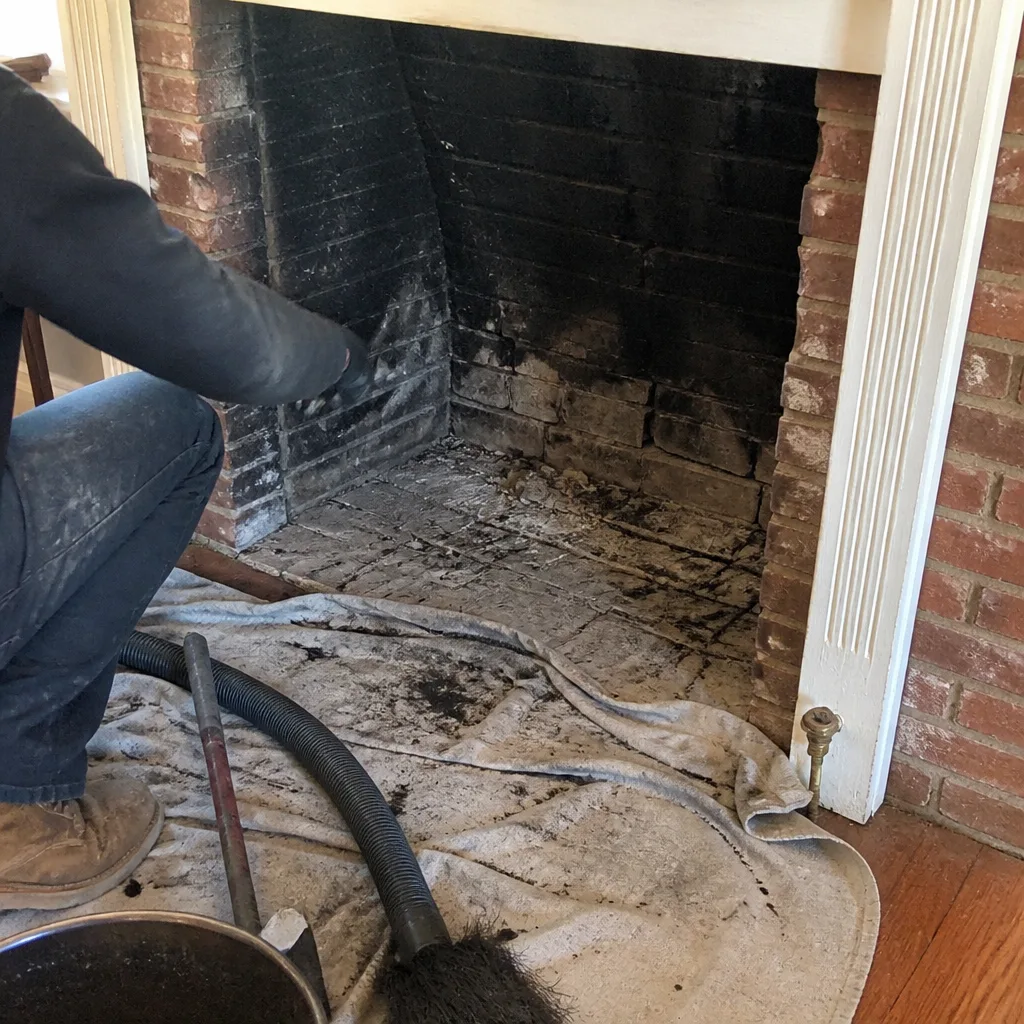 Before
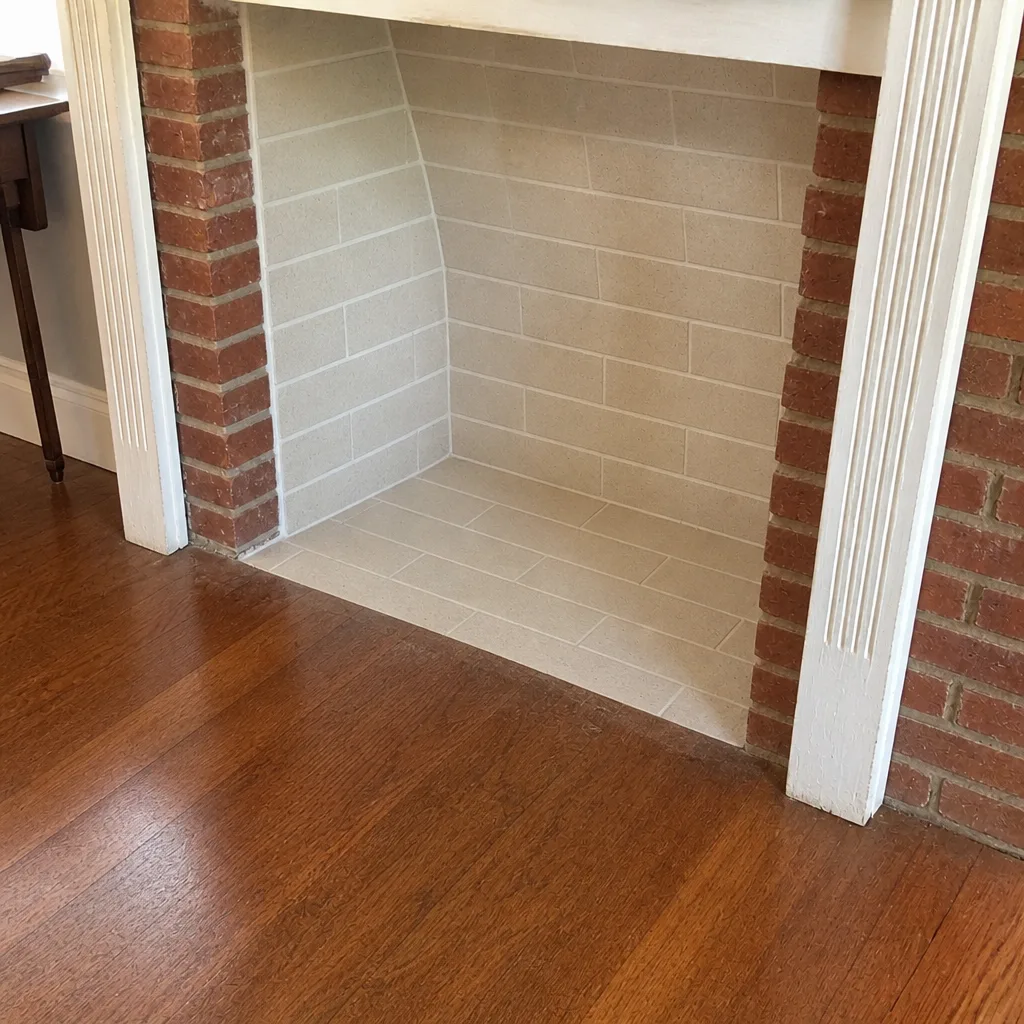 After
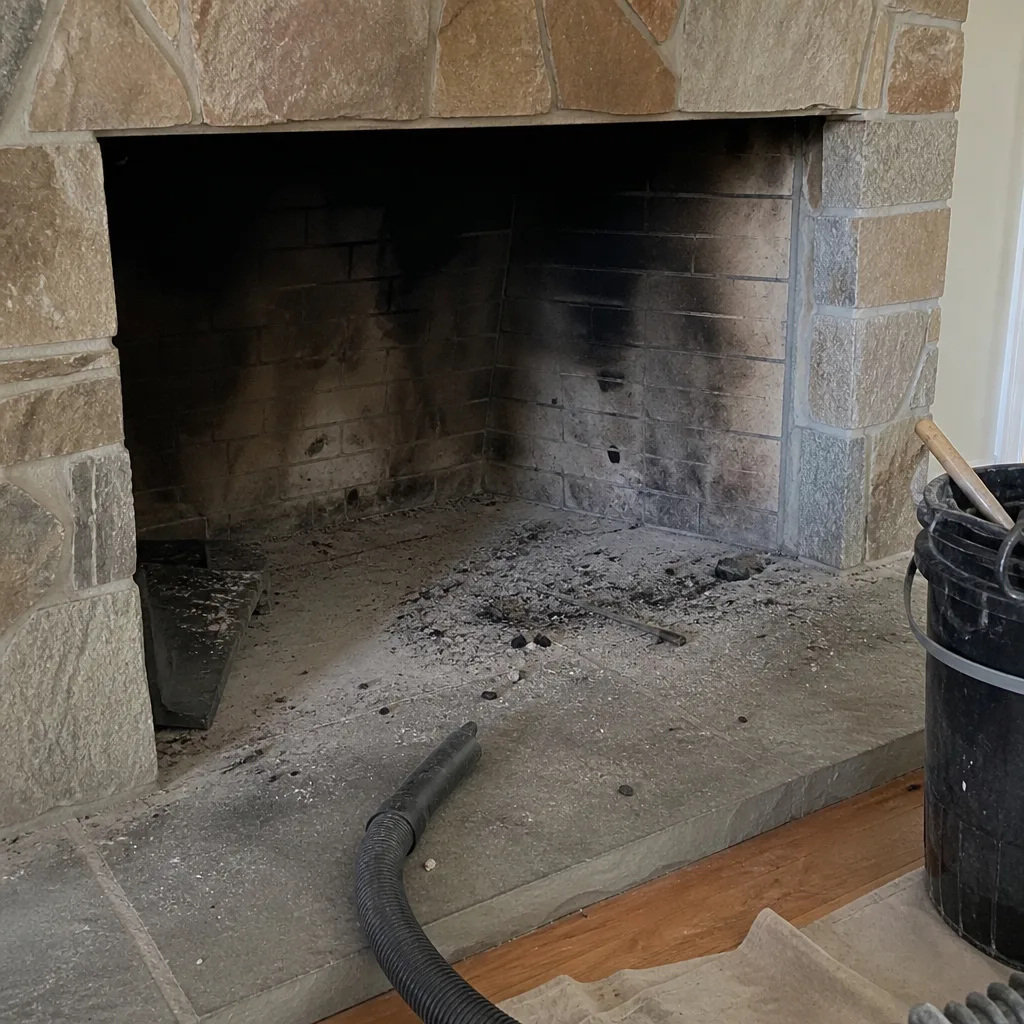 Before
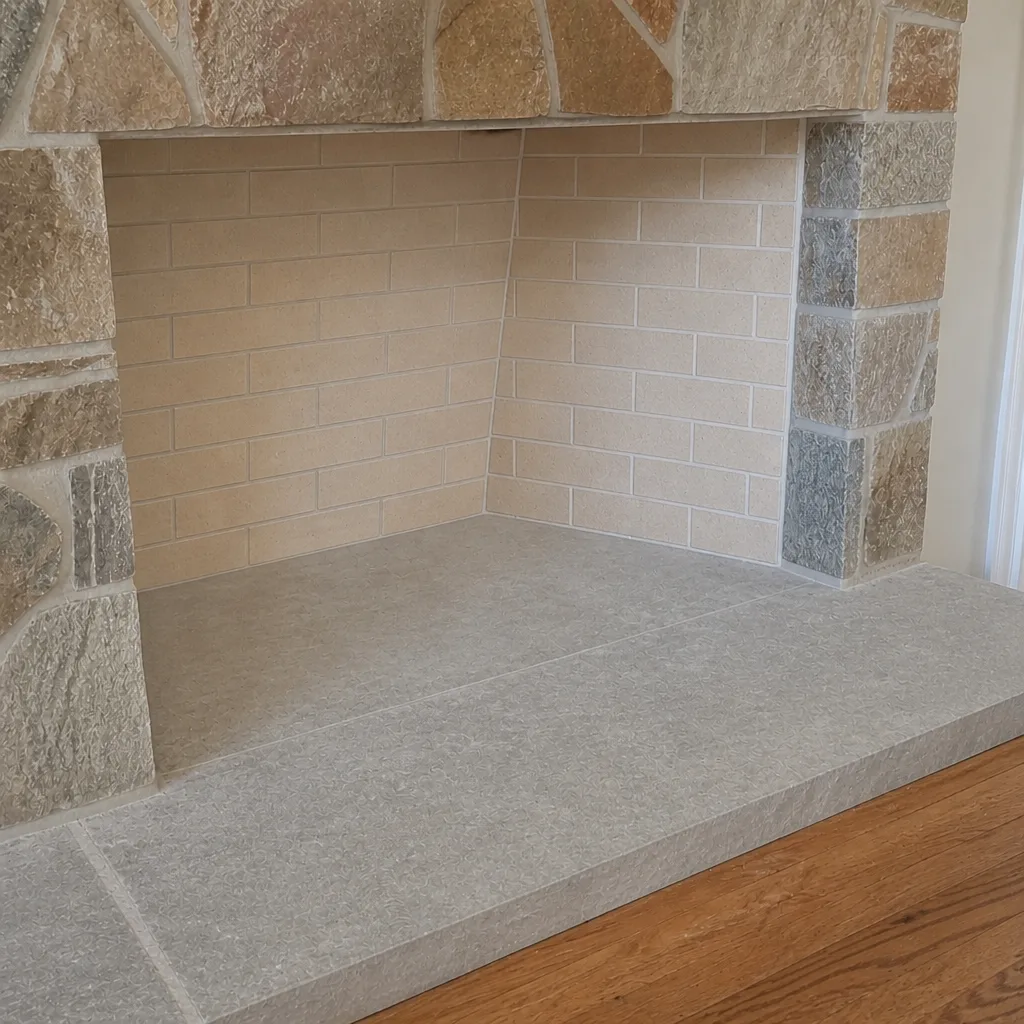 After
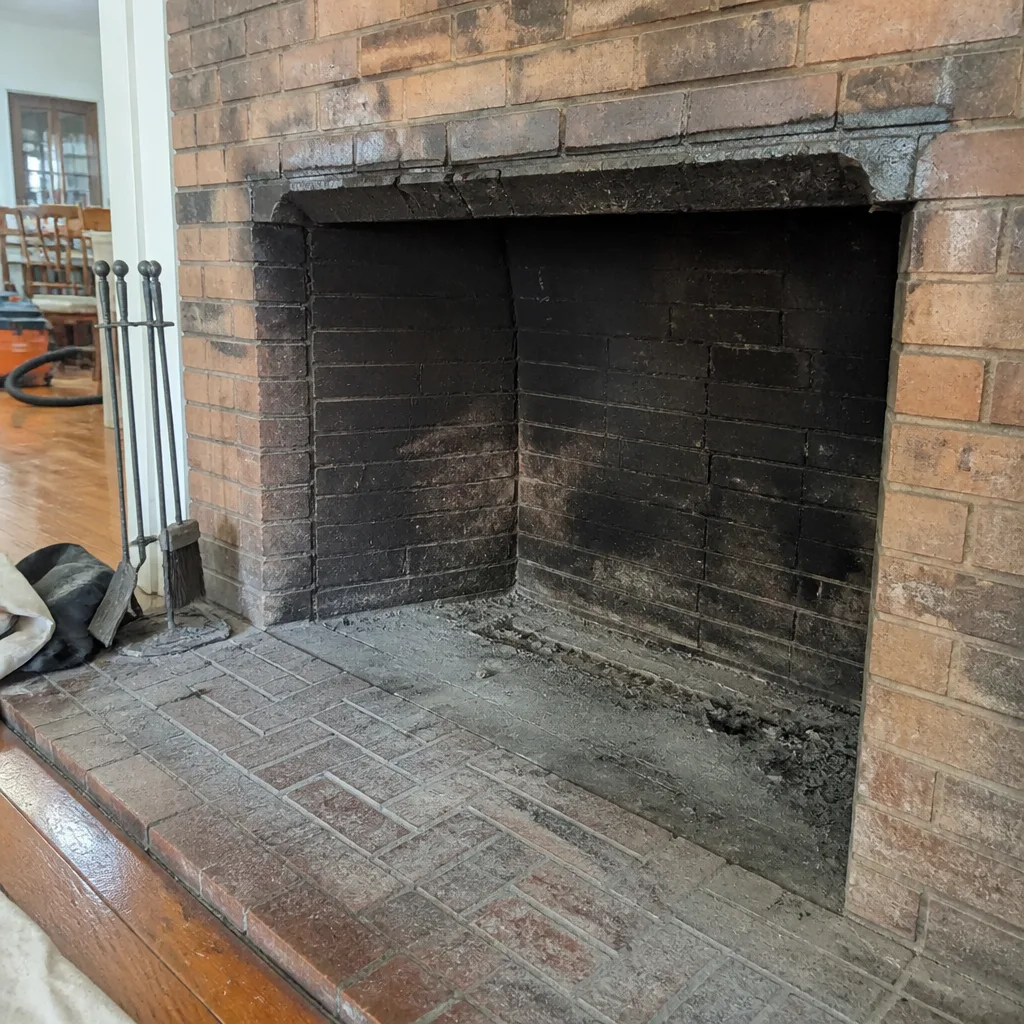 Before
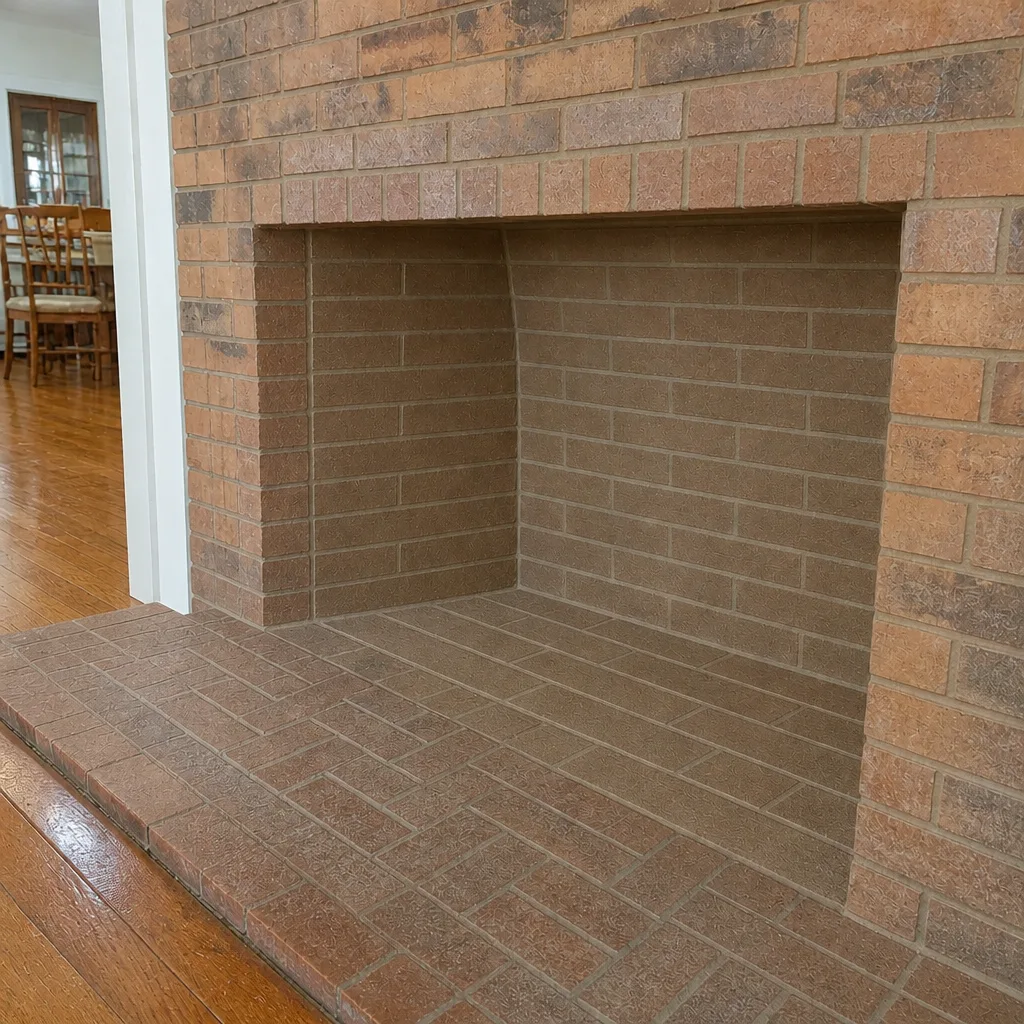 After
Common Mistakes to Avoid
- Booking whoever answers the phone first. Convenience feels efficient in the moment, but the first company to pick up isn’t necessarily the most qualified. Run the five questions before you commit, even if the technician is available “tomorrow.”
- Taking a phone quote as the quote. The estimate that actually matters is the one after inspection. A phone quote is a marketing tactic, not a firm price.
- Skipping the CSIA directory check. A logo on a website isn’t proof. The directory is free, public, and takes two minutes.
- Accepting an unlimited-scope repair recommendation without footage. If a contractor recommends a liner or masonry repair without showing you the camera footage, you’re being asked to fund work you can’t verify. Ask for the video. A specialist will gladly show it.
- Assuming a low price means efficiency. As covered above, a low sweep price often reflects a skipped inspection or cheaper materials. Those savings come out of the thoroughness of the work, not the operator’s overhead.
- Hiring a generalist because they were already on site. If your roofer or your HVAC tech offers to “take a look at the chimney,” that’s not the same as hiring a chimney contractor. The two skill sets overlap less than people assume.
- Not asking for the report in writing. A verbal “everything looks fine” is not an inspection. The written report is what you keep for your records and for the next buyer’s.
When to Call a Professional
Most homeowners should book a chimney sweep about once a year if they burn wood regularly. Some situations call for an inspection sooner: after a chimney fire (even a small one), after a serious storm, when you smell smoke in a room the fireplace doesn’t serve, when you see dark staining on the chimney’s exterior, or when you’re buying or selling a home. Sudden draft problems, visible cracks in the firebox, or a damper that won’t open or close are also signs to call rather than wait. If you’re not sure, call and describe the symptom. A specialist will tell you whether it warrants a visit or whether it can safely wait. Wilmington Chimney Cleaning offers free estimates in Wilmington. Call (855) 947-5166. We answer 24/7. Fast dispatch from 7am to 7pm, Sunday through Friday.
Frequently Asked Questions
Most routine chimney sweeps in Wilmington fall within a typical range that varies by the number of flues, the level of inspection included, and whether a camera is used. Because inspection depth and repair scope vary so much here, the written estimate after inspection sets the final price. Call (855) 947-5166 for an exact quote – estimates are free.
Not always. A liner recommendation should follow a camera inspection and be based on what the footage actually shows: cracked tiles, gaps at seams, or a flue that’s the wrong size for the appliance. If the liner can be resurfaced with HeatShield instead of fully replaced, that’s often the better repair. Ask to see the footage before deciding. If a contractor can’t show you the problem, don’t authorize the work. Call (855) 947-5166 if you’d like a second look – estimates are free.
Once a year for most wood-burning fireplaces, and more often if you burn frequently or notice heavy creosote buildup. A gas insert typically needs an inspection at least annually, though sweep frequency can be lower. The right interval depends on your appliance and how much you use it, and a specialist can tell you what’s appropriate after the first inspection.
Yes. The CSIA maintains a public certification directory online. Search the company name and any individual technician’s name, and confirm the certification is current. If the company can’t be found or a technician’s certification has lapsed, that’s a meaningful gap. Call (855) 947-5166 to ask us which technicians are certified – estimates are free.
Creosote builds up inside the flue, and it’s flammable. A chimney fire is the most serious result, but even without a fire, a blocked or restricted flue can lead to smoke backing up into the house and carbon monoxide risks with gas appliances. None of it announces itself in advance. A sweep and inspection is how you find out before it’s a problem rather than after. Call (855) 947-5166 to book a sweep – estimates are free.
A Level 1 is the routine annual inspection and covers readily accessible portions of the chimney. A Level 2 adds a camera inspection and applies to real estate transactions, appliance changes, and problem investigation. A Level 3 involves opening up parts of the chimney structure and is rare. Most Wilmington homeowners need Level 1 or Level 2, and the right level depends on the situation, not the price. Call (855) 947-5166 if you’re not sure which level you need – estimates are free.
The Bottom Line
Hiring a chimney contractor in Wilmington comes down to three checks: CSIA certification you verify yourself, liability insurance specific to chimney work, and a written quote that itemizes the inspection, the sweep, and any repairs separately. A dedicated chimney specialist passes all three without hesitation because their whole business depends on those credentials. Comparing quotes on price alone tells you what you’ll pay. Comparing on what’s actually included tells you what you’ll get. Ask the five questions, get the footage, insist on the report. That’s how you hire with confidence.
Wilmington Chimney Cleaning offers three core services – sweeping, repair, and inspection – from a single specialized provider. One call covers the sweep, the inspection, and any follow-up repair, and we use professional-grade materials like HeatShield and DuraFlex because the right part for your flue matters more than the closest substitute. Call (855) 947-5166 for a free estimate. We answer 24/7. Fast dispatch from 7am to 7pm, Sunday through Friday.
Written by the team at Wilmington Chimney Cleaning.