
Last updated November 16, 2026
 Sweep & inspection
 Caps & crowns
 Flue relining
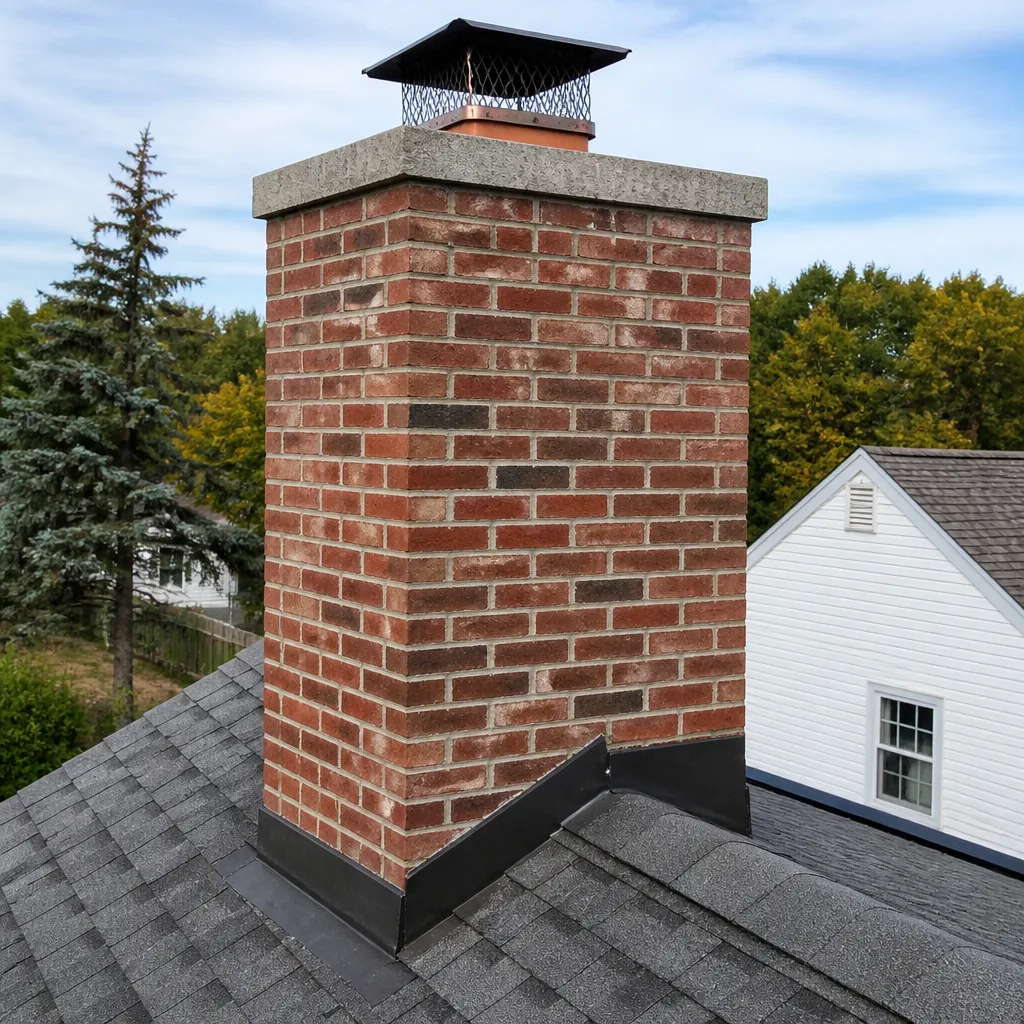 Masonry repair
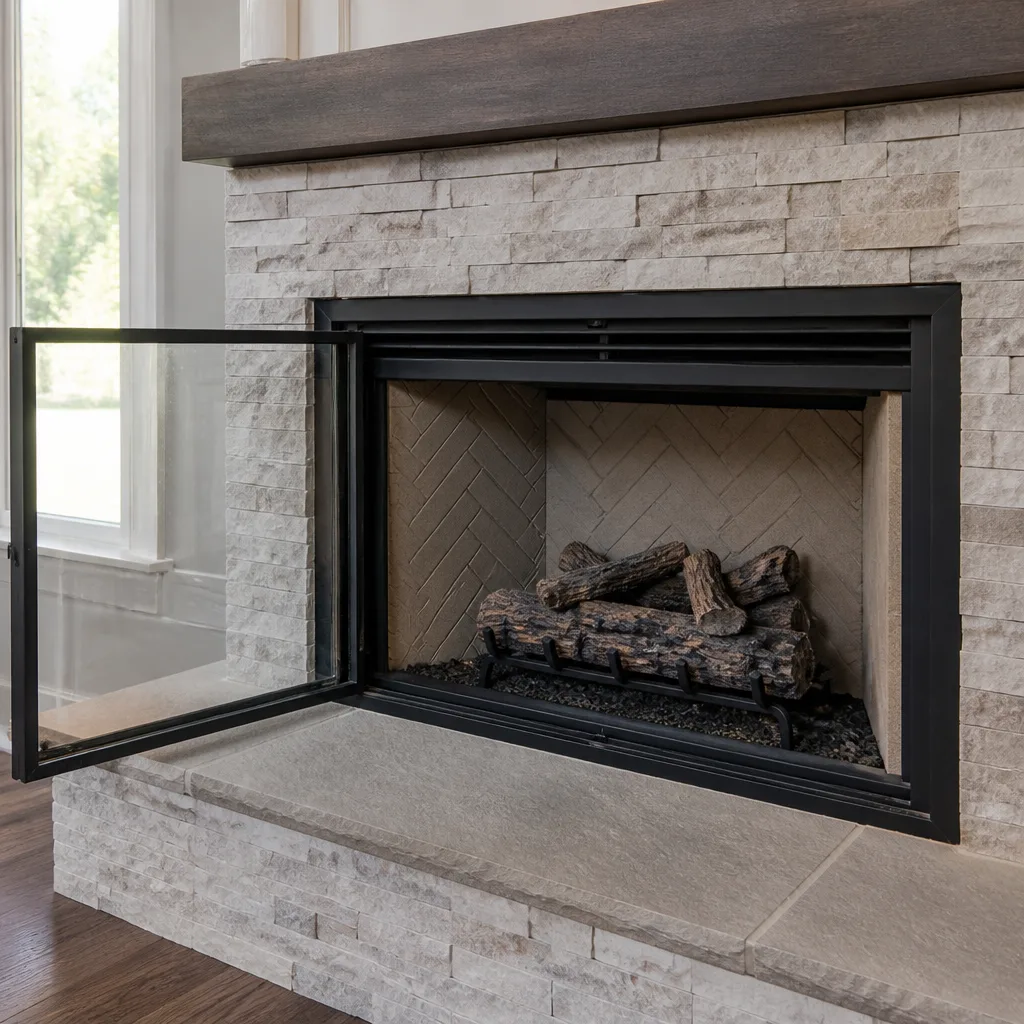 Gas fireplace service
Level 1 sweep and inspection to the NFPA 211 annual standard - flue, crown, cap, and flashing checked and photographed
Chimney sweep logs do not sweep chimneys. They loosen some creosote - which then falls where a brush and vacuum still have to collect it.
DIY vs Professional Chimney Cleaning: The Wilmington Homeowner’s Decision Guide
Chimney brushes remove visible soot. They don’t tell you that your flue liner has a crack at the second bend, that the mortar joints behind your firebox are failing, or that something built a nest past the damper plate. That’s the part most homeowners miss when they weigh doing it themselves against hiring help: sweeping and inspecting are two different skills, and only one of them can be learned from a video. In Wilmington’s humid, storm-prone climate, the inspection is where real problems get caught before they become expensive ones. This guide walks you through what a DIY sweep actually accomplishes, where its limits sit, and how to decide what’s right for your home and your flue.
Quick Answer
You can sweep soot and creosote from a flue yourself with the right brushes, but you can’t inspect it the way a professional can. A trained chimney technician uses a camera, smoke tests, and draft measurement to find cracks, failing joints, and blockages that a brush never touches. For homes with a wood-burning fireplace or older chimney, that inspection is the part that keeps you safe, and it’s the reason most Wilmington homeowners hire the sweep and the inspection together rather than treating sweeping as a weekend chore.
Styles & brands we work with
- Sweep & inspection
- Caps & crowns
- Flue relining
- Masonry repair
- Gas fireplace service
Table of Contents
- What DIY Sweeping Actually Accomplishes
- The Inspection Tasks a Brush Can’t Do
- Wilmington Factors That Tip the Calculation
- The Liability and Insurance Angle
- What You Can Maintain Between Professional Visits
- How a Professional Sweep and Inspection Works, Step by Step
- DIY vs Professional: An Honest Cost Comparison
- Common Mistakes to Avoid
What DIY Sweeping Actually Accomplishes
A homeowner with a properly sized brush, extension rods, drop cloths, and a shop vacuum can remove a meaningful amount of soot and loose creosote from a flue. We won’t pretend otherwise. Sweeping is physical work, but it isn’t mysterious work. If your fireplace has seen a season of light use and the flue is straight, you can knock down the soft, flaky creosote that builds up between cleanings. That’s a real benefit, and it reduces the fuel load inside the chimney.
What that sweep doesn’t do is tell you what condition the flue is in afterward. A brush scrubs the inner surface. It doesn’t see it. The bristles don’t measure whether a clay tile liner has spalled, whether a mortar joint has opened up behind the smoke chamber, or whether the crown at the top of the chimney has cracked and is letting water in. Those are the conditions that cause chimney fires and carbon monoxide problems, and they’re invisible to a brush.
There’s also the question of glaze. Hard, shiny, tar-like creosote – the kind that forms when wood burns cool and slow – doesn’t yield to a standard brush. It bonds to the liner and has to be removed with specialized tools or chemical treatment. Many homeowners who sweep their own flues assume they’re done because the brush came back dirty, when a hard glazed layer is still sitting on the tile.
- What DIY does well: removes loose soot and soft creosote, reduces fuel in the flue, catches obvious blockages at the damper
- What DIY can’t do: find cracks, measure draft, test for leaks, assess the smoke chamber, evaluate the crown and cap, identify glazed creosote
- What it takes to do it safely: correct brush size, proper rods, drop cloths, respiratory protection, a ladder and roof access you’re comfortable with
So the question isn’t “can I sweep my chimney.” It’s “is sweeping the part that matters most.” For a lot of homes in and around Wilmington, it isn’t.
The Inspection Tasks a Brush Can’t Do
When we talk about a professional chimney inspection, we’re talking about a set of diagnostic steps that go well beyond sweeping. Each one catches a different class of problem, and each requires equipment and a trained eye. Here’s what actually happens during an inspection that a DIY sweep can’t replicate.
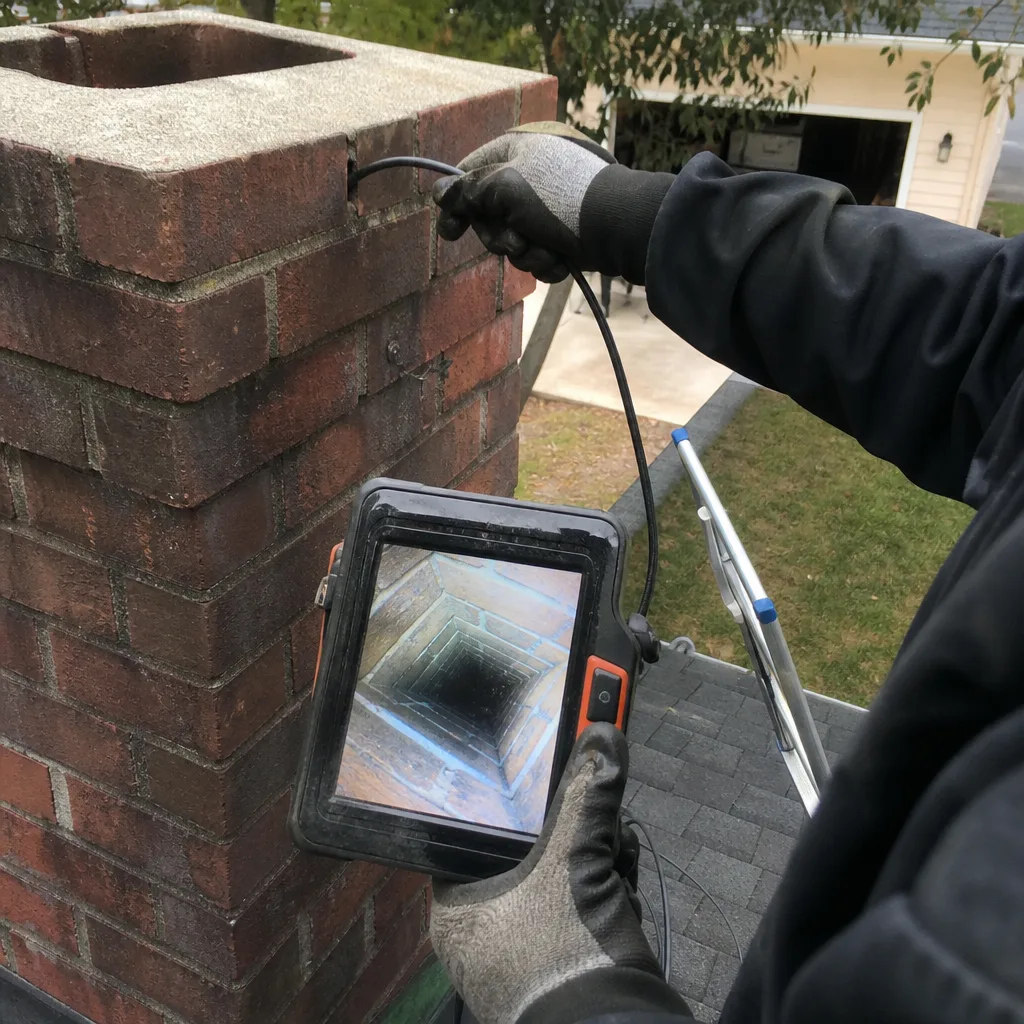
- Camera scan of the flue. A flexible camera goes up the flue and shows the technician the condition of the liner – cracks, gaps, spalling, offset tiles, and any buildup the brush missed. You see the footage. This is the single most important difference between a sweep and an inspection.
- Smoke test. A smoke test reveals leaks in the flue system – places where combustion gases can escape into the home rather than going up and out. That’s a carbon monoxide concern, and no amount of brushing finds it.
- Draft measurement. Draft is what pulls smoke up the chimney. If it’s weak, smoke backs into the room and combustion byproducts linger. Measuring it requires instruments and the knowledge to interpret the reading.
- Smoke chamber and damper assessment. The smoke chamber above the firebox is a common failure point. It’s also a place homeowners can’t easily see.
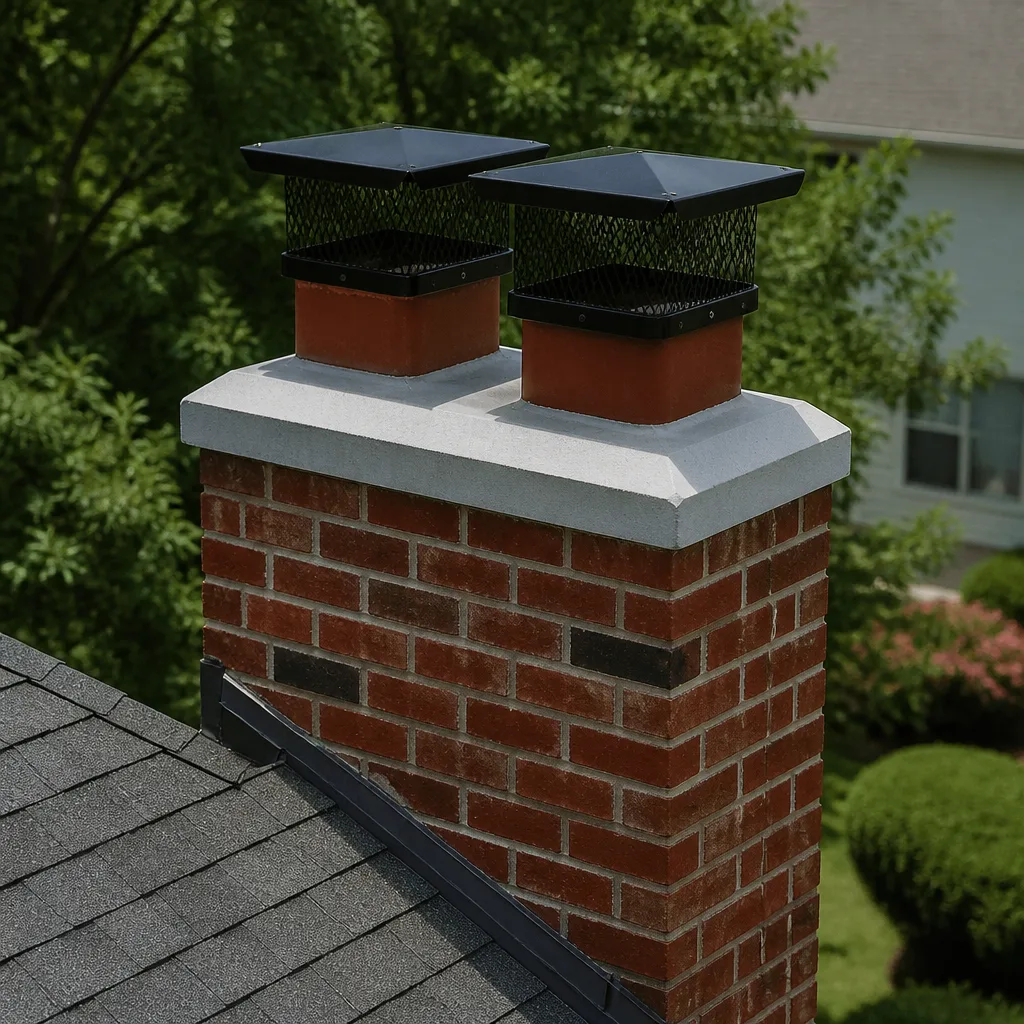
- Exterior inspection. The crown, cap, flashing, and masonry joints at the top of the chimney take weather damage over time. A technician on the roof can spot a cracked crown or missing cap before it becomes a water intrusion problem.
These five tasks are why we treat a sweep and an inspection as two halves of the same visit. Our technicians have up to 13 years of experience, and that experience is concentrated on exactly this kind of diagnostic work – not split across general handyman tasks. A trained eye looking at a flue camera sees what a homeowner with a brush can’t, because the eye has seen hundreds of flues before.
Wilmington Factors That Tip the Calculation
Wilmington’s climate and environment add a few wrinkles that make the inspection half of the equation more important here than in drier parts of the country. None of these are reasons to panic. They’re reasons to know what you’re dealing with.
Humidity and creosote behavior
Wilmington’s humid summers and damp shoulder seasons mean firewood absorbs moisture if it isn’t stored properly. Wet or “green” wood burns cooler, and cooler fires produce more creosote – especially the hard, glazed kind that a brush won’t remove. A homeowner sweeping their own flue may be scrubbing off the soft layer while the glaze stays put. That glaze is fuel, and it’s the fuel that feeds chimney fires.
Storm debris and wildlife
Wilmington sees its share of storms, and storms drop leaves, twigs, and debris onto roofs and into chimneys. Squirrels, birds, and other wildlife find uncapped chimneys appealing, and nests past the damper plate are a common find during inspections. You may notice the smell or a draft problem, but you won’t necessarily see the blockage from the firebox. A camera sees it.
Aging housing stock
Much of Wilmington’s housing includes older homes with clay tile liners and masonry chimneys that have been through decades of heat cycling. Those liners crack and spall over time, and a crack in a clay tile is exactly the kind of thing a camera catches and a brush doesn’t. If your home is older and you haven’t had the flue looked at, that’s a strong argument for a professional visit before the next burning season.
Storm debris also tends to reach the cap and crown, and a damaged cap lets water into the flue. Water plus masonry is a slow problem that gets expensive. Part of what we check on every visit is whether the cap and crown are doing their job – and if they aren’t, we source replacement components from professional lines like Copperfield and Famco rather than whatever fits at the hardware store.
The Liability and Insurance Angle
Here’s a question worth asking before you buy a brush kit: if a chimney fire happens after you swept the flue yourself, where does that leave you with your insurer? The honest answer is that it depends on your policy and your carrier, and we’re not going to tell you what yours says. But there’s a pattern worth understanding.
Homeowners insurance policies generally expect homeowners to maintain their property, and a chimney is part of that property. If a fire is traced to a neglected or improperly maintained flue, a carrier may look closely at what maintenance was done and by whom. Some policies ask whether the chimney was professionally inspected or cleaned. Documentation of professional service is a straightforward thing to produce after a loss. A receipt from a hardware store for a brush kit is not.
There’s a second angle that matters more to us than the insurance question: a self-performed cleaning can create a false sense of security. If you sweep the flue, see the brush come back dirty, and assume the chimney is clean and safe, you may skip the inspection that would have caught a cracked liner. The risk isn’t the sweeping itself. It’s what the sweeping makes you believe about the rest of the system.
- Documentation: a professional inspection produces a record of the flue’s condition at a point in time. That record is useful if you ever need to make a claim.
- The false-clean problem: a swept flue looks clean and can still be unsafe. Only an inspection tells you which it is.
- Not a scare tactic: plenty of DIY-swept chimneys are perfectly fine. The point is that you can’t know that without looking, and looking is the professional part.
If you want the inspection done right and documented, a chimney sweep that includes a camera scan is the reasonable path. It costs more than a brush kit. It also tells you something a brush kit never will.
What You Can Maintain Between Professional Visits
DIY has a legitimate place in chimney care – it just isn’t inside the flue. Between professional visits, there’s a meaningful list of things a homeowner can and should do. These tasks don’t require a camera or a trained eye, and they genuinely reduce risk.
- Burn dry, seasoned wood. This is the single biggest thing you can do to reduce creosote. Wood that has dried properly burns hotter and cleaner. Store it covered and off the ground.
- Keep the firebox clear. Remove ash buildup regularly, and never let debris, paper, or wrappers accumulate near the firebox opening.
- Check the cap and crown visually from the ground. A pair of binoculars is enough to spot an obviously missing cap, a visible crack, or a nest sticking out of the flue. If you see something, call.
- Watch for smoke backing into the room. Smoke that rolls out of the firebox rather than going up the flue is a draft problem. It’s a reason to call, not a reason to investigate yourself.
- Listen for animal sounds. Scratching or chirping from the chimney means wildlife. Don’t try to remove a nest yourself; call for help.
- Note any new smell or staining. A creosote smell in warm weather, or staining on the chimney exterior, can indicate a problem worth a professional look.
What you should never attempt yourself: climbing onto the roof to inspect or clean the flue from the top if you’re not comfortable and equipped for it, opening up the smoke chamber, or working on the liner. The flue and the roof are where injuries happen, and a fall or a burn is a much worse outcome than a dirty chimney.
When it comes time for the professional visit itself, one call covers sweep, repair, and inspection. That matters because problems found during an inspection often need repair, and coordinating a separate contractor for a liner issue adds time and cost.
How a Professional Sweep and Inspection Works, Step by Step
Knowing what a professional visit looks like helps you judge whether the one you’re getting is thorough. Here’s the sequence a proper sweep-and-inspection follows. If a provider skips most of these steps, that’s worth noticing.
- Setup and protection. Drop cloths and a vacuum with proper filtration go down before any work begins, so soot stays in the chimney and not in your living room.
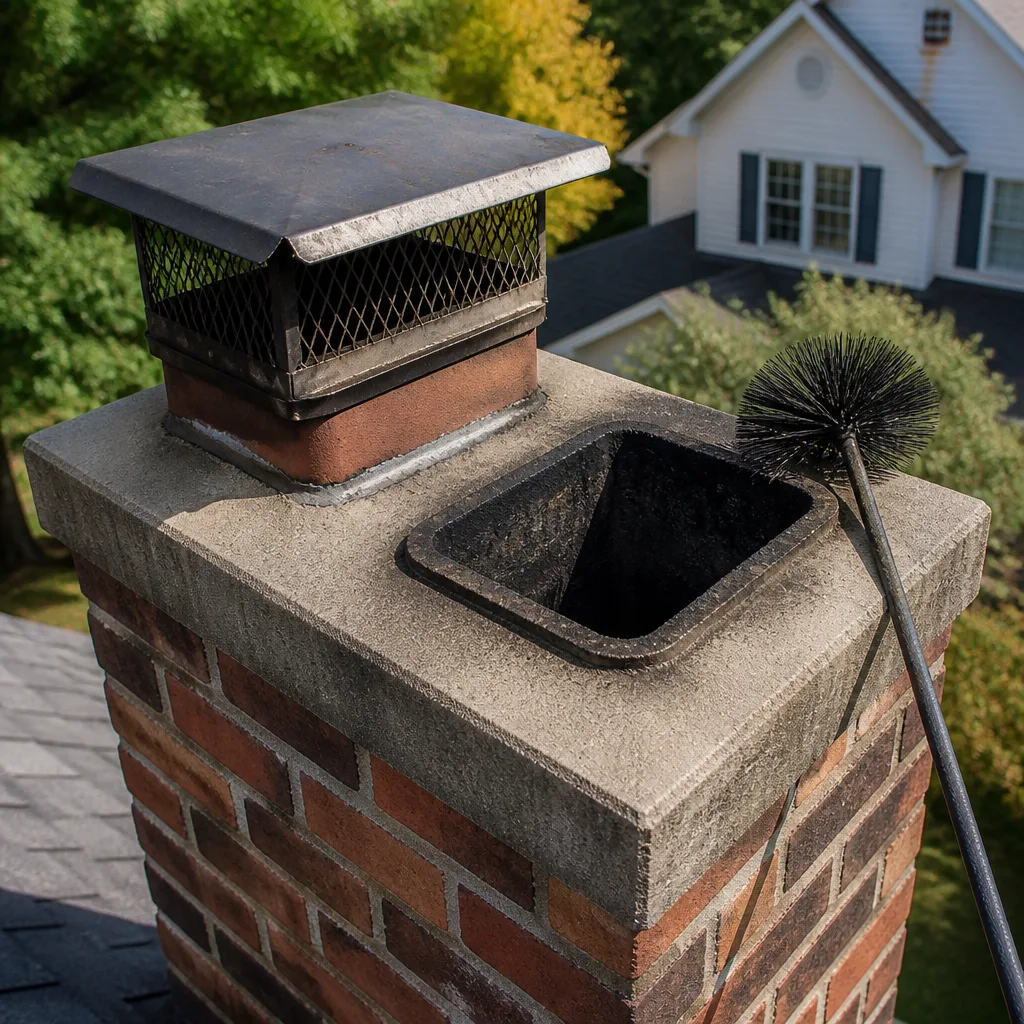
- Sweep the flue. Brushes sized to your flue remove soot and loose creosote. Hard glazed creosote is addressed with the appropriate tools, not just a standard brush.
- Clean the firebox, smoke chamber, and damper area. The sweep isn’t finished when the flue is clean; the accessible parts of the firebox and smoke shelf get attention too.
- Camera inspection of the flue. A flexible camera scans the liner from top to bottom, and the footage is reviewed with you so you can see the condition of the flue for yourself.
- Draft and smoke testing as needed. If the inspection or your description of how the fireplace behaves suggests a drafting issue, testing confirms it.
- Exterior check. Crown, cap, flashing, and visible masonry are assessed for damage.
- Written findings. You get a clear report of what was found, what (if anything) needs attention, and what can safely wait.
The written-findings step is the one homeowners underrate. A good inspection doesn’t just tell you something is wrong – it tells you what’s urgent, what’s worth watching, and what can wait a season or two. If a provider tells you that you need a new liner without showing you the camera footage that justifies it, ask to see the footage. That’s a reasonable request.
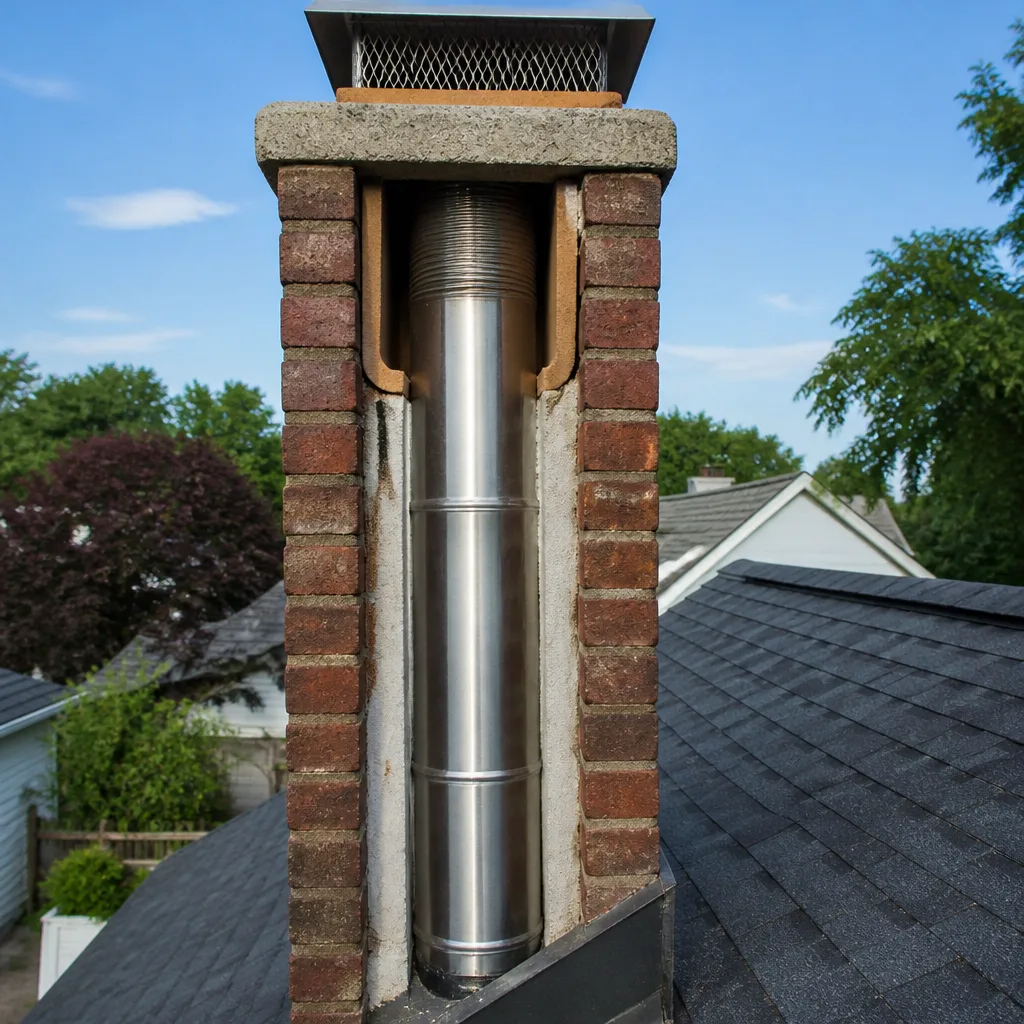
When a liner does need work, the repair path isn’t always a full replacement. HeatShield is an industry-standard flue resurfacing system designed to extend the life of a deteriorating liner without tearing it out, and it’s a cost-effective option in the right conditions. When a full replacement is genuinely necessary, DuraFlex flexible liner systems are built for high-temperature chimney environments. What we don’t do is recommend either one without evidence you can see.
DIY vs Professional: An Honest Cost Comparison
Price is usually the reason the DIY question comes up, and it deserves a straight answer. A brush kit and rods cost less than a professional visit. The comparison is more interesting once you account for what you’re actually buying.
- DIY equipment: brush kit, rods, drop cloths, respiratory protection, and possibly a ladder. One-time cost, reusable.
- DIY time and risk: an afternoon of work, plus roof and ladder risk, and the real possibility that you finish without knowing the condition of your flue.
- Professional sweep: soot and creosote removed to a professional standard, including glazed creosote a brush can’t handle.
- Professional inspection: camera footage, draft testing, exterior check, and a written report – the diagnostics that tell you whether the chimney is safe, not just clean.
- Cost of a missed problem: a cracked liner, a failed smoke chamber, or a chimney fire that a brush never would have found. This is the line item that makes the DIY math complicated.
We’re not going to tell you professional service is always cheaper, because it isn’t. It’s a different purchase. DIY buys you a cleaner flue. Professional service buys you a cleaner flue plus a diagnosis. Whether that difference is worth the price depends on your home, its age, your comfort on a roof, and how much you value knowing your flue is safe rather than assuming it. Most homeowners who call us have already tried sweeping themselves at some point, and they call for what the brush couldn’t tell them.
Estimates are free. A written estimate sets the price for the actual job, so you know what you’re paying before any work begins.
Common Mistakes to Avoid
We’ve seen a lot of chimneys that were maintained by a well-meaning homeowner. These are the mistakes that come up most often.
- Assuming a swept flue is a safe flue. A brush removes soot, not problems. Book a camera inspection alongside any sweep so you know the actual condition of the liner, not just that it looks clean from the firebox.
- Using the wrong brush size. A brush too small for the flue leaves soot along the walls; one too large can damage a clay liner. In older Wilmington homes with offset or spalled tiles, the wrong brush does more harm than good.
- Ignoring glazed creosote. If the creosote in your flue is hard and shiny rather than soft and flaky, a standard brush won’t remove it. It needs the right tools, and leaving it in place is what makes chimney fires more likely.
- Skipping the exterior check. A missing cap or cracked crown lets water and wildlife into the flue, and it’s a cheap fix when caught early. Check from the ground with binoculars, and let a professional handle the roof.
- Burning green or wet wood in Wilmington’s humid months. Damp wood burns cool and builds creosote faster. Season your wood properly and keep it covered.
- Trying to remove an animal nest yourself. A nest past the damper plate isn’t a broom-and-a-flashlight job. Call a professional who can remove it safely and check that the flue is clear above it.
- Trusting a liner replacement recommendation without seeing evidence. If someone tells you the liner needs to be replaced, ask to see the camera footage. A professional has footage to show and will walk you through it.
Each of these is avoidable, and none of them is a reason to feel bad about having tried. The point of knowing them is to get the next visit right.
See the difference
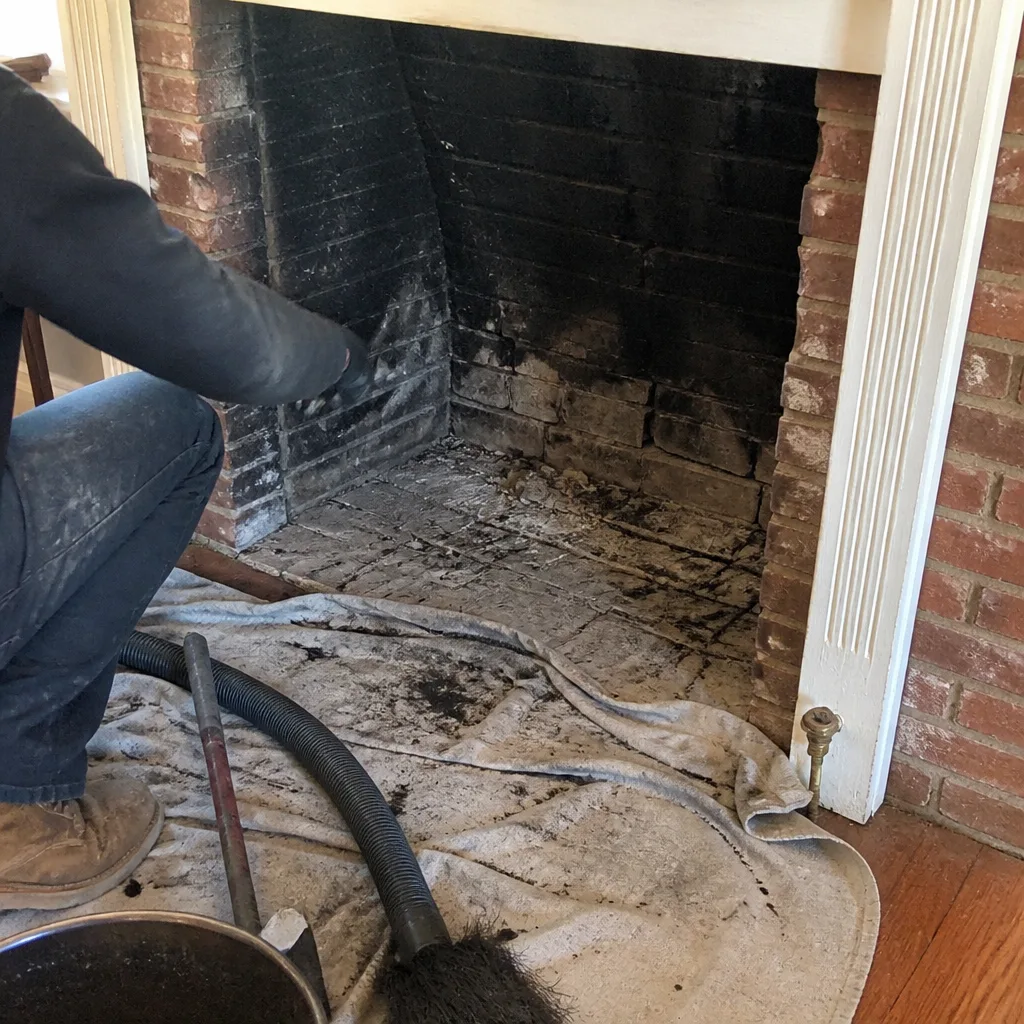 Before
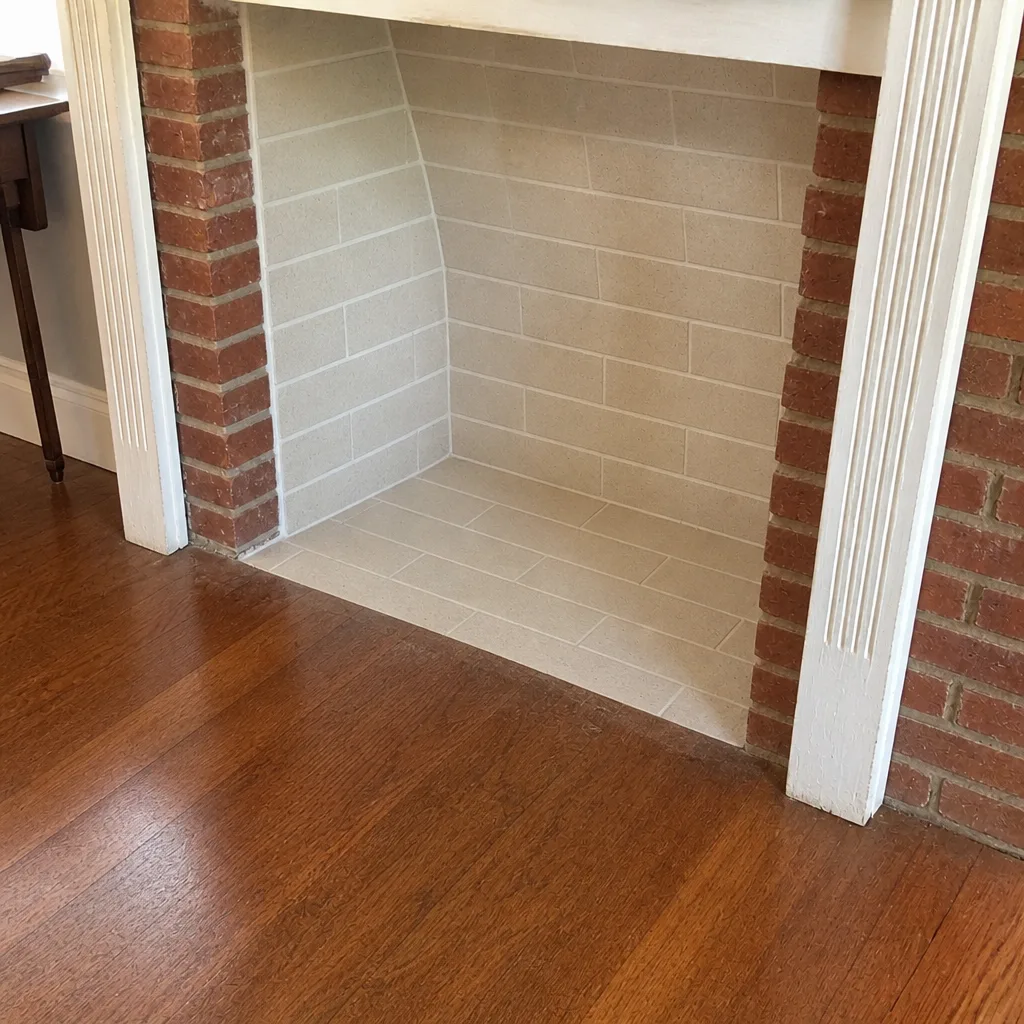 After
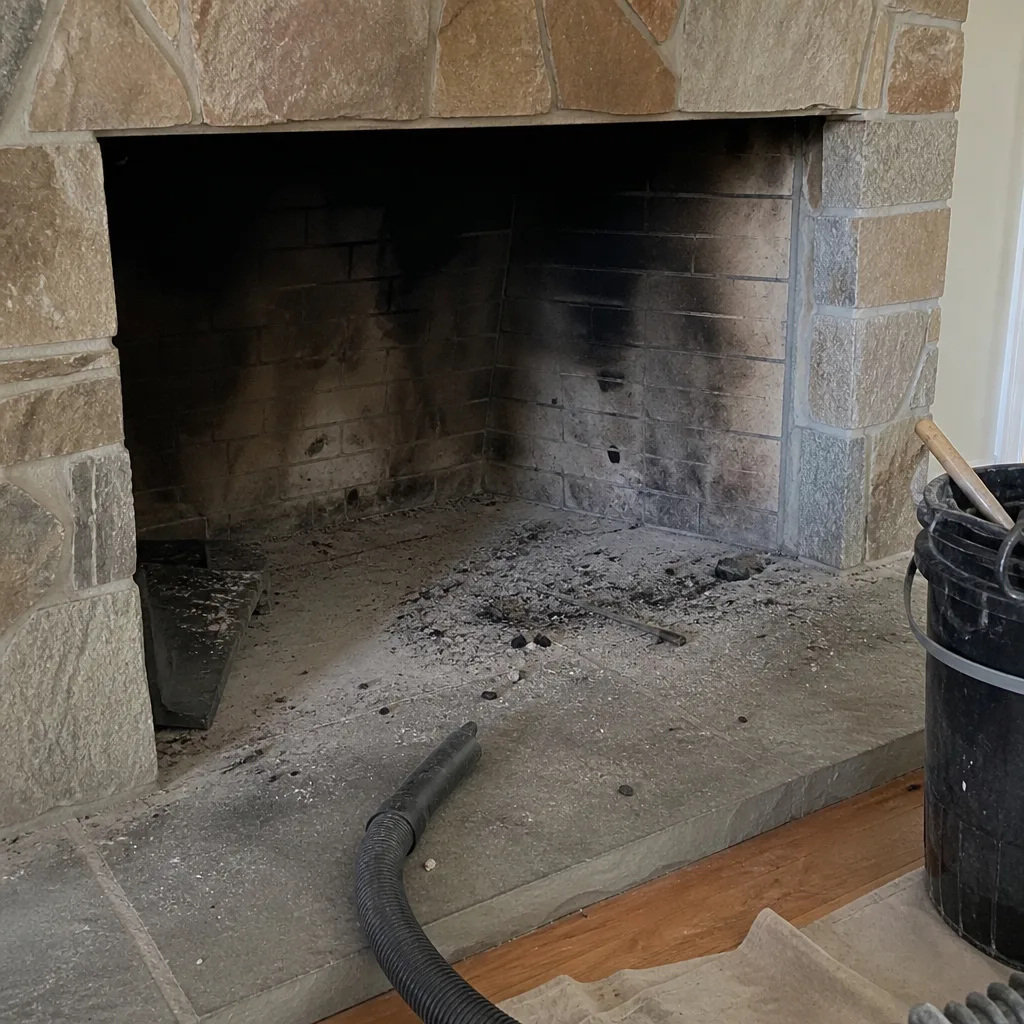 Before
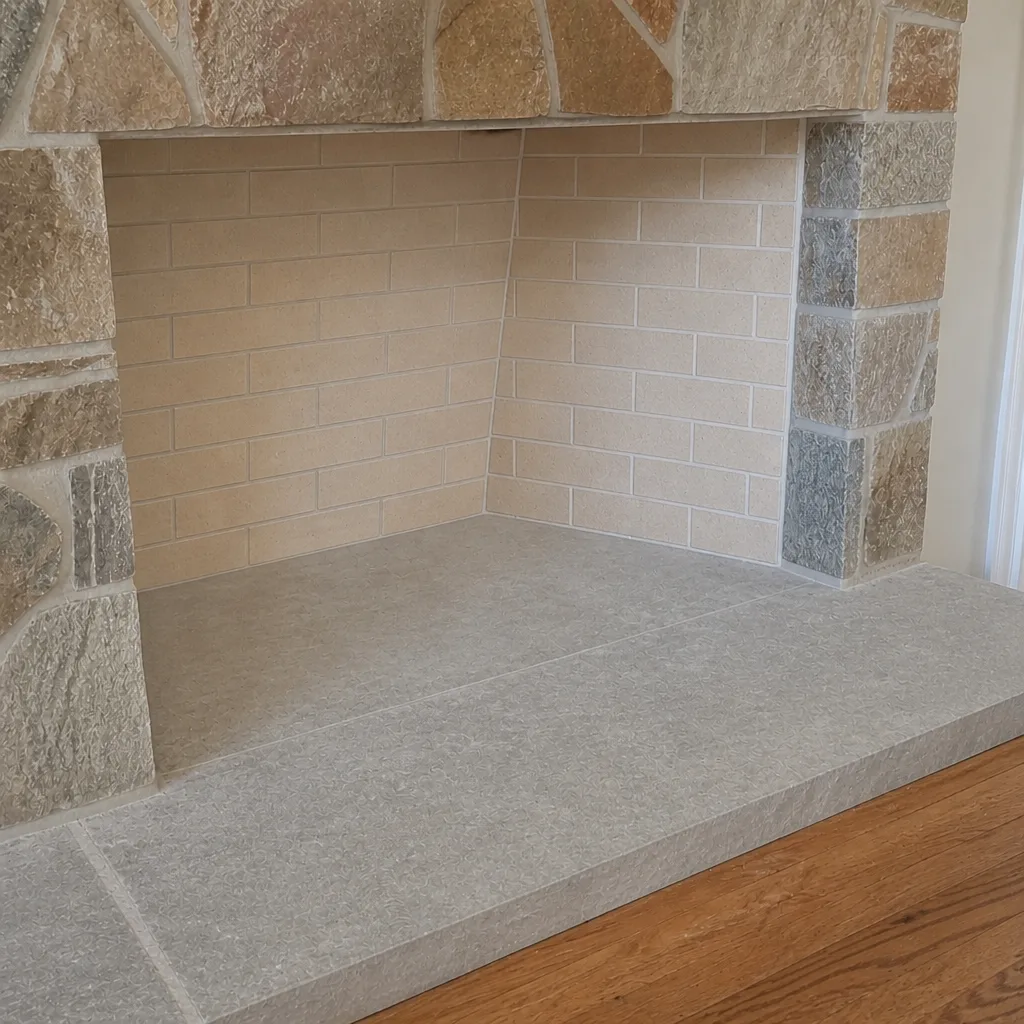 After
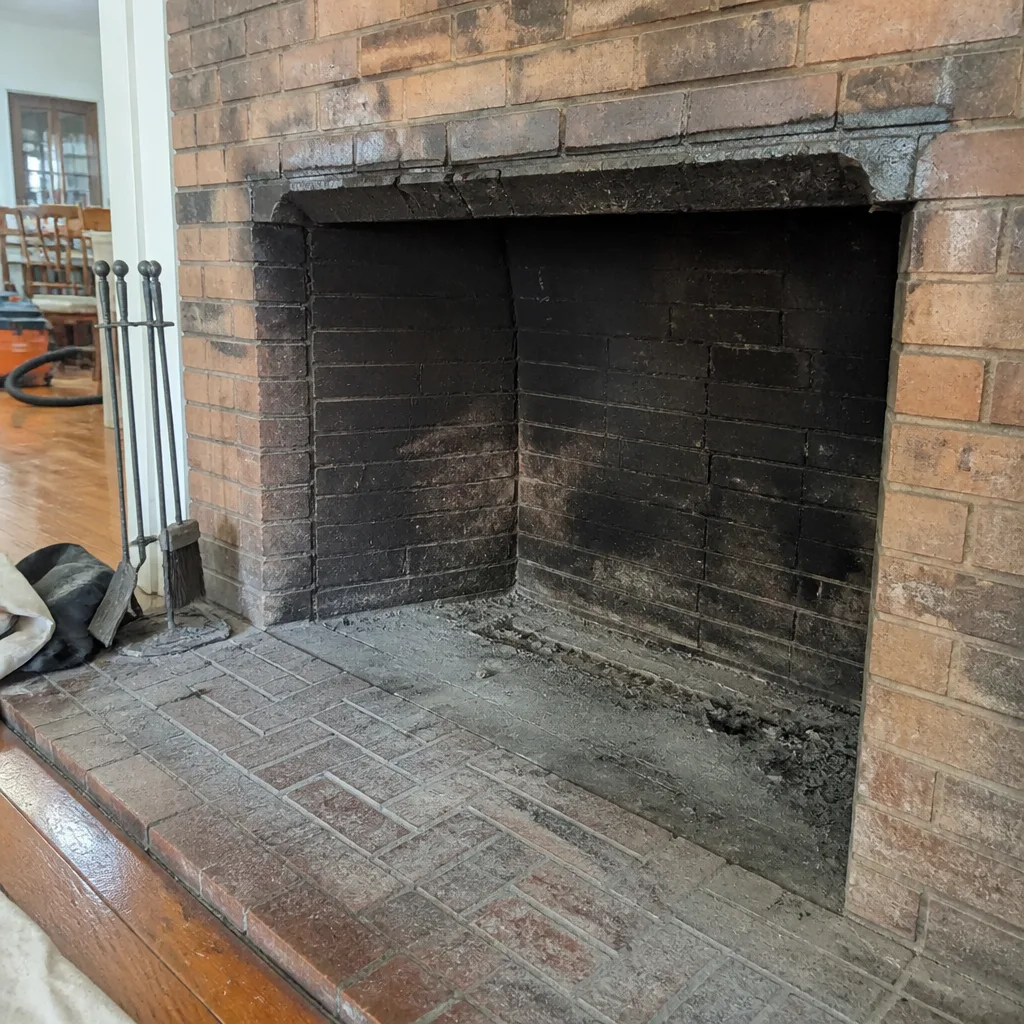 Before
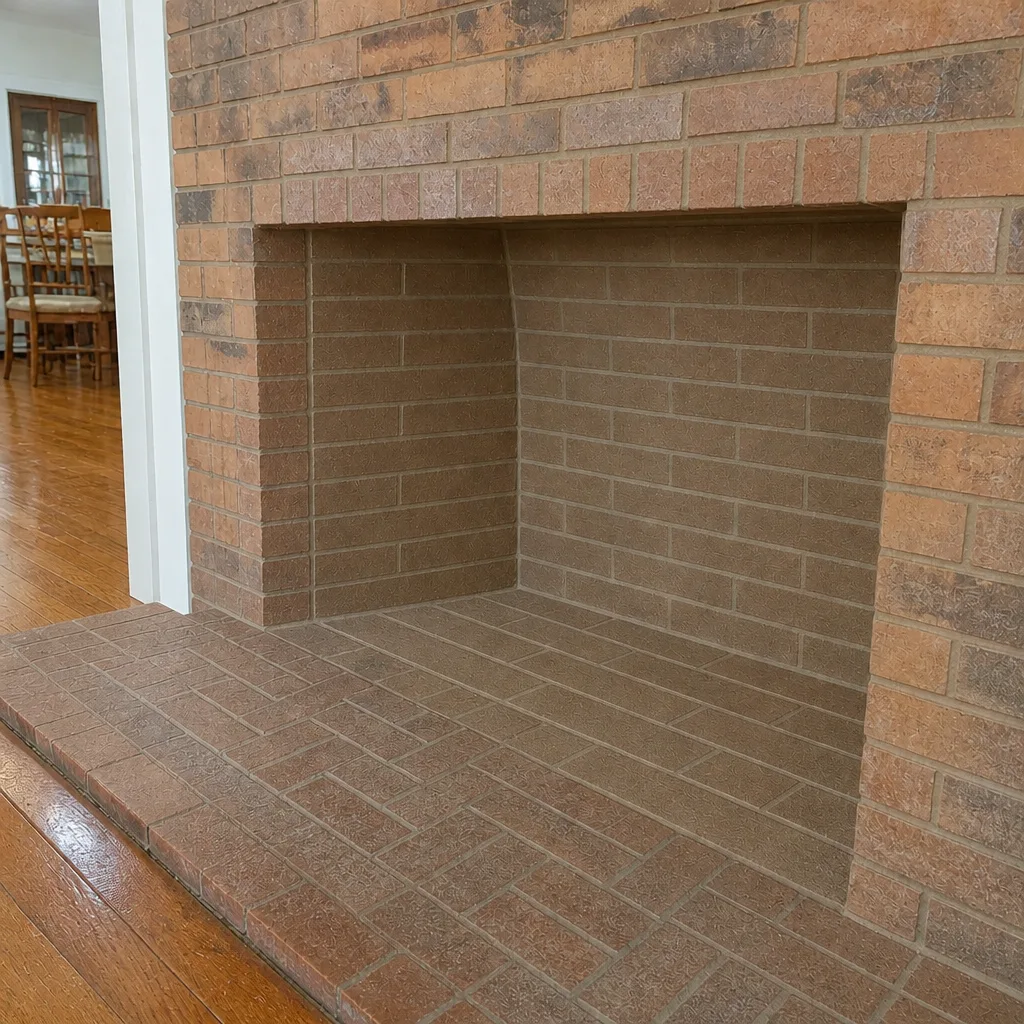 After
When to Call a Professional
Some situations are clearly not DIY territory. Call a professional if any of these apply to your home in Wilmington: you’ve never had the flue inspected and don’t know the condition of the liner; you smell creosote in warm weather or see staining on the chimney exterior; smoke backs into the room when you burn; you hear animals in the chimney; your chimney cap or crown looks damaged from the ground; your flue has hard glazed creosote; or your home is older with a clay tile liner that has never been scanned with a camera. In each case, the risk is a condition you can’t see and a brush can’t fix. Professional chimney repair and inspection together are the responsible move when there’s a question about the flue’s condition.
Wilmington Chimney Cleaning offers free estimates in Wilmington. Call (855) 947-5166. We answer 24/7. Fast dispatch from 7am to 7pm, Sunday through Friday.
Frequently Asked Questions
Sweeping soot and soft creosote from your own flue is generally safe if you have the right brushes and equipment and stay off a ladder you aren’t comfortable on. The unsafe part is assuming the cleaning told you the chimney is in good condition, because a brush can’t assess the liner or the smoke chamber. If you don’t know the condition of your flue, get it inspected.
Sweeping removes soot and creosote; inspecting determines the condition of the flue, liner, smoke chamber, and exterior. A camera scan, smoke test, and draft measurement are inspection tasks, not sweeping tasks, which is why a brush kit can’t replace them. Most homes need both done at the same visit.
The right interval depends on how much you burn and how well your wood is seasoned, but a professional inspection each year before burning season is the standard most chimney providers and fire-safety guidance recommend. Heavy use, wet wood, or a fireplace that smokes into the room are reasons to call sooner. For a typical home, an annual visit is the practical rhythm.
You can, but that’s exactly the scenario where problems get missed. A brush leaves the flue looking clean while a cracked liner or a blocked flue stays in place. Skipping the inspection is the specific mistake this guide exists to prevent.
That depends on your policy and your carrier, and we can’t tell you what yours says. What we can tell you is that a documented professional inspection is far easier to produce after a loss than a self-performed cleaning, and most insurers expect fireplaces and chimneys to be maintained. Ask your carrier what it requires.
Pricing is set per job by a written estimate, because a sweep on a standard flue and an inspection that finds a damaged liner are different jobs. The estimate is free, so there’s no cost to find out what your chimney actually needs before you commit. Call (855) 947-5166 for an exact quote.
The Bottom Line
DIY chimney sweeping is real work that produces a real result: a cleaner flue. It just isn’t the result that matters most. The inspection – the camera scan, the smoke test, the draft measurement, the eyes on the outside of the chimney – is what tells you whether the flue is safe, and it’s the part no brush replaces. In Wilmington’s humid climate, with older housing stock and storm debris in the mix, that distinction is worth acting on. If you’ve been sweeping your own flue and assuming it’s fine, book an inspection and see the footage for yourself. Call (855) 947-5166 for a free estimate. We answer 24/7. Fast dispatch from 7am to 7pm, Sunday through Friday. One call covers sweep, repair, and inspection from a team that works with professional-grade materials like Olympia Chimney, Gelco, and Famco. Chimney work is all we do. Our technicians have up to 13 years of experience. Learn more about Wilmington Chimney Cleaning and what a professional visit looks like.
Written by the team at Wilmington Chimney Cleaning.