
Last updated November 16, 2026
 Sweep & inspection
 Caps & crowns
 Flue relining
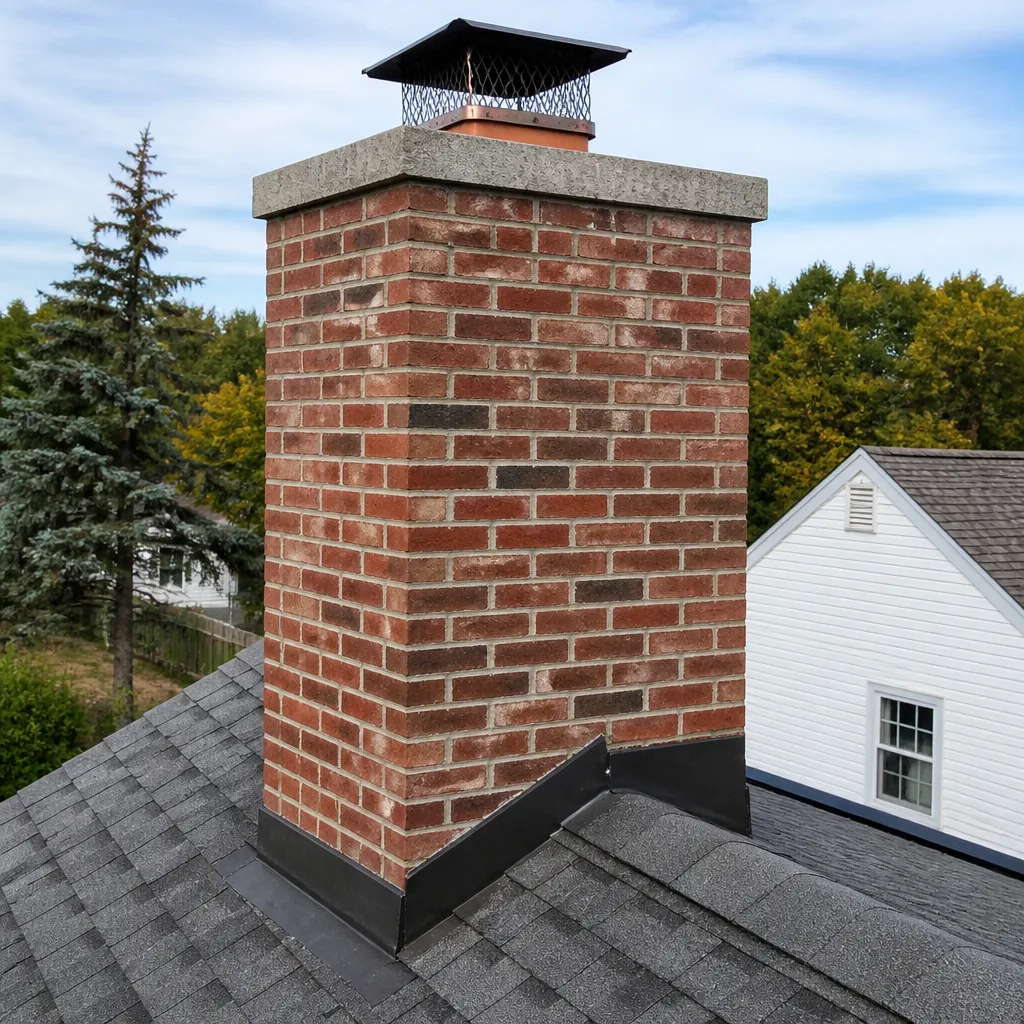 Masonry repair
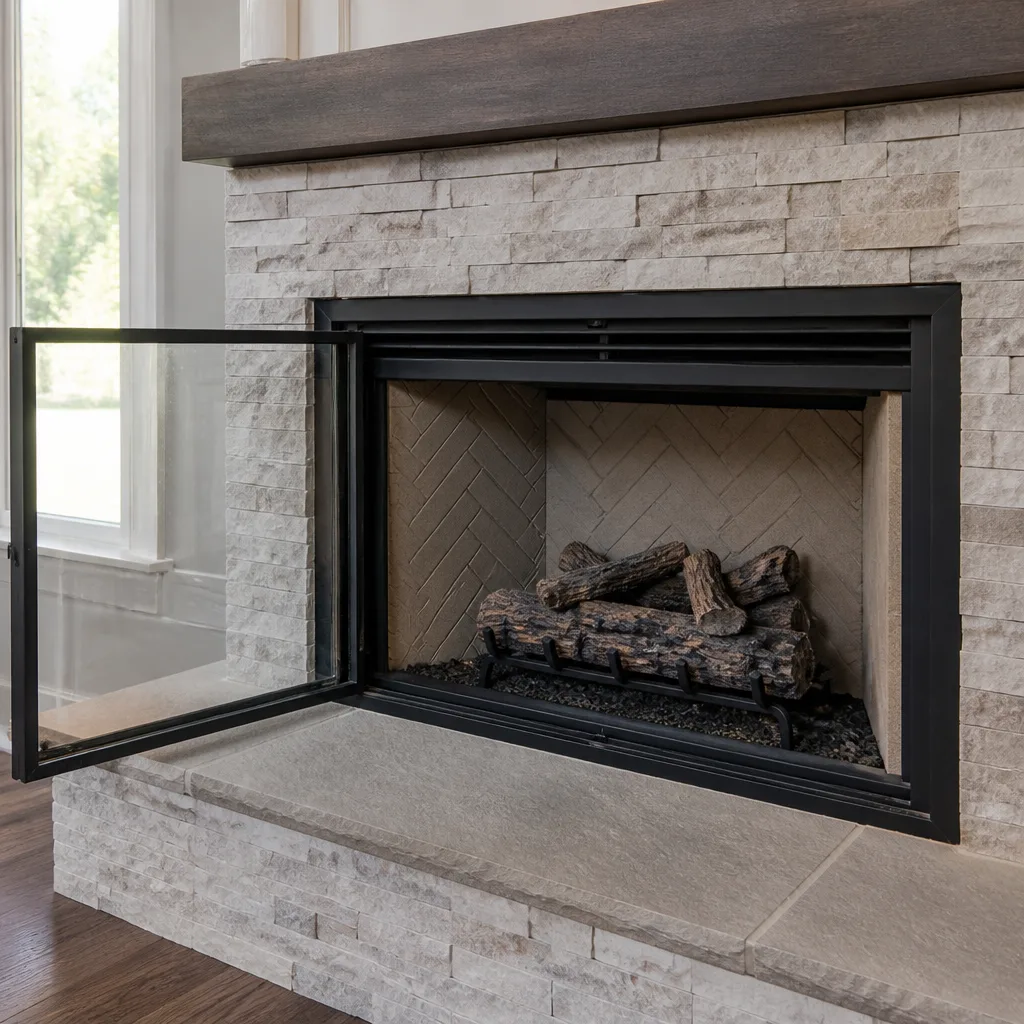 Gas fireplace service
Level 1 sweep and inspection to the NFPA 211 annual standard - flue, crown, cap, and flashing checked and photographed
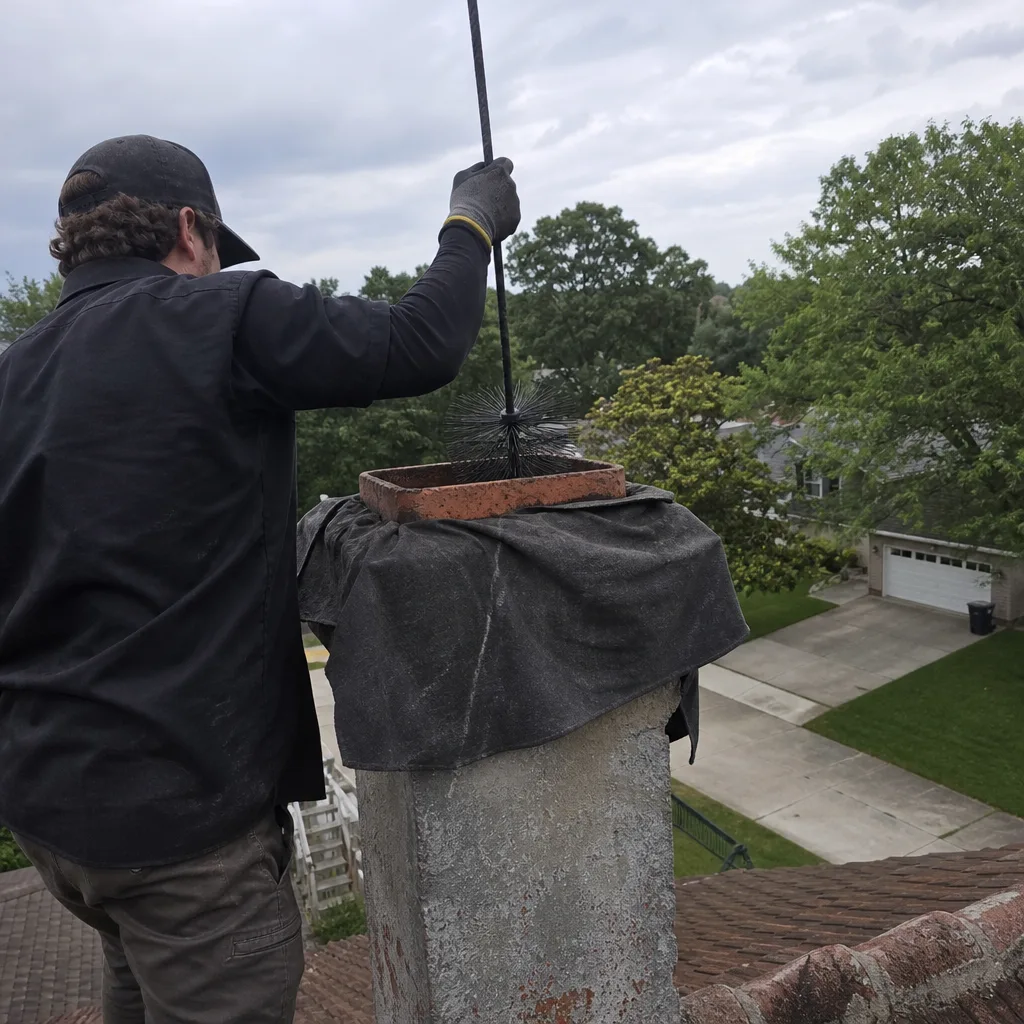
Chimney sweep logs do not sweep chimneys. They loosen some creosote - which then falls where a brush and vacuum still have to collect it.
Chimney Cleaning Cost Breakdown: The Wilmington Homeowner’s Reference for 2026
A $99 chimney cleaning special almost always means a sweep without a camera inspection. That means you’re paying someone to clean a system whose condition they can’t actually assess. A clean flue and a safe flue are two different things, and only one of them is visible from the outside. In Wilmington, where wood-burning fireplaces still carry a lot of homes through the cooler months, this gap between “cleaned” and “checked” is where most chimney budgets go sideways. This guide breaks down what each line on a chimney quote actually covers, what’s reasonable to pay in 2026, and how to compare bids without defaulting to the cheapest number on the page.
Quick Answer
In the Wilmington market, a standard chimney sweep with a Level 1 inspection generally runs $180 to $340, a Level 2 inspection with camera typically runs $275 to $450, and common repairs range from $250 to well over $1,500 depending on what’s found. The wide spread exists because “chimney cleaning” is not a standardized service: some quotes include a full camera inspection, some don’t, and some bundle repair work that may or may not be necessary. The written estimate, based on what’s actually inside your flue, sets the final price.
Styles & brands we work with
- Sweep & inspection
- Caps & crowns
- Flue relining
- Masonry repair
- Gas fireplace service
Table of Contents
- What Does Chimney Cleaning Cost in Wilmington in 2026?
- Why Two Quotes for the “Same” Sweep Differ by Hundreds
- What Should Always Be Included (and What Legitimate Add-Ons Look Like)
- Level 1, Level 2, and Level 3 Inspections: What Each One Is For
- Common Chimney Repairs and What They Cost to Fix
- How Deferred Maintenance and Our Climate Inflate Chimney Costs
- How to Use Competing Quotes as a Vetting Tool
- Frequently Asked Questions
What Does Chimney Cleaning Cost in Wilmington in 2026?
Chimney cleaning in Wilmington typically costs between $180 and $340 for a standard sweep with a Level 1 inspection. The figure moves within that band based on access, flue length, and how much creosote has built up. A simple single-flue fireplace in good shape sits near the low end. A taller flue, a hard-to-reach roof line, or a heavy creosote load pushes toward the top.
Here’s how the ranges break down by service type:
- Standard sweep with Level 1 inspection: $180 to $340 typical
- Level 2 inspection with camera: $275 to $450 typical, sometimes bundled with a sweep
- Creosote removal (heavier buildup, Stage 2 or 3): adds $100 to $300 depending on severity
- Chimney cap replacement: $150 to $350 installed, depending on size and material
- Damper repair or replacement: $250 to $550, based on the type of damper
- Crown repair: $350 to $900 depending on the extent of the damage
- Flue liner resurfacing (HeatShield method): $1,200 to $2,800 typical, based on flue length and condition
- Full liner replacement with a flexible liner system: $2,500 to $5,500 or more depending on height and configuration
These are estimates for the local market, not a menu. A written estimate after an on-site look is what sets the actual price. What we can say plainly is that the spread between a bare-bones sweep and a thorough one is real, and the difference shows up in what’s checked, not just what’s scrubbed.
One thing that catches homeowners off guard: a sweep and an inspection are not the same line item, but they’re often quoted as one. When the quote says “chimney cleaning,” ask specifically whether a Level 1 inspection is part of it or extra. That single question reframes the whole comparison.
Why Two Quotes for the “Same” Sweep Differ by Hundreds
Two chimney quotes that both say “cleaning” can differ by $200 or more because they’re describing different amounts of work. The variables that drive the price are predictable once you know what to look for:
- Flue length and access. A single-story fireplace with easy roof access is faster to sweep than a two-story chimney with a steep pitch or an obstruction. Labor time drives the number.
- Number of flues. A chimney serving both a fireplace and a furnace has two flues. Sweeping one is half the work of sweeping two, and the quote should say which.
- Creosote stage. Chimney professionals classify creosote in three stages. Stage 1 is light soot that brushes off easily. Stage 2 is glazed and harder to remove. Stage 3 is a hardened, tar-like deposit that requires more aggressive methods. A Stage 3 flue is not a $180 sweep.
- Inspection level included. A quote that includes a camera inspection costs more than one that doesn’t, and it’s worth the difference.
- Roof pitch and material. A steep roof or a fragile roof surface adds time and caution to the job.
- Appliance type. A wood-burning fireplace, a gas insert, and a wood stove each require slightly different handling. Gas appliance servicing involves different checks than wood.
In our experience, the biggest source of “why is this quote double?” is that one quote includes a full Level 1 inspection and the other is a straight brush-and-go. Both are legitimate services; they’re just not the same product. A homeowner comparing them on price alone is comparing a physical exam to a handshake.
Wilmington’s housing stock plays a role too. Older homes with original chimney construction may have flues that were built for a different era of heating and have since been adapted. That adaptation is exactly what an inspection reveals, and it’s why a bare-number quote tells you almost nothing until you know what’s inside the flue.
What Should Always Be Included (and What Legitimate Add-Ons Look Like)
A proper sweep is not just a brush down the flue. The work that should come standard on every quote includes:
- Setup and drop-cloth protection around the firebox and floor
- A full brush of the flue from the top or bottom, depending on access
- Removal of soot, creosote, and debris from the firebox and smoke shelf
- A visual check of the firebox, damper, smoke chamber, and flue interior
- Verification that the damper opens, closes, and seals
- A check of the chimney cap and crown from the roof
- A report of what was found, in plain terms
Those items are the baseline. If a quote is missing several of them, it’s not a discount; it’s a shortcut. The parts that legitimately vary and get priced separately include camera inspection (Level 2), creosote removal at higher stages, cap replacement, damper repair, crown work, and liner work. Each of those should be itemized with a reason: what was observed, and what fixing it involves.
When we quote a repair, it’s because the camera or the visual inspection showed something specific. A cap that’s missing or damaged, a damper that won’t seal, a crown with a crack: those are observations a homeowner can see for themselves in the photo report. Nothing on a quote should be a mystery. If a technician tells you the liner is failing, ask to see the footage. A legitimate recommendation holds up to that question.
Padding, when it happens, tends to look like this: a bundle of repairs added to a cleaning quote without explanation, a “flue treatment” that isn’t defined, or a liner replacement recommended before anyone has looked inside. Those are the quotes to set aside. The right part for your flue, not the closest substitute, is a principle that runs both ways: it also means not selling you a part you don’t need.
Level 1, Level 2, and Level 3 Inspections: What Each One Is For
Chimney inspections are classified in three levels, and knowing which one you’re paying for explains a lot of the price difference between quotes.
- Level 1 inspection. A visual check of readily accessible portions of the chimney, including the firebox, damper, and flue from the accessible points, often done as part of a routine sweep. It’s appropriate when the chimney is in continued service and nothing has changed. Typically included in a standard sweep, or $75 to $150 standalone.
- Level 2 inspection. Adds a camera run through the flue, a check of accessible attic and crawl space areas where the chimney passes through, and a look at the exterior. It’s the right level after a chimney fire, after a change in appliance or fuel type, when buying or selling a home, or when a problem is suspected. Typically $275 to $450.
- Level 3 inspection. Involves access to concealed areas, which may require removing part of a wall or other construction. This is reserved for a specific known concern that can’t be assessed otherwise. Pricing is quoted per job because the scope varies widely.
For most Wilmington homeowners, the practical question is whether a Level 1 or a Level 2 is appropriate. A routine annual sweep with a visual check is usually enough. A camera inspection earns its price when the chimney is new to you, when it hasn’t been looked at in years, or when anything about its performance has changed. The chimney sweep visit is the right time to ask which level fits your situation.
We use camera inspection because it removes guesswork. The photo report it produces is something you can hold onto, review, and compare against next year’s findings. That record is often more valuable than the sweep itself.
Common Chimney Repairs and What They Cost to Fix
Repairs are where the range widens most, because chimney components fail differently and the fix depends on what’s actually wrong. Here’s the landscape of common repairs and typical local pricing:
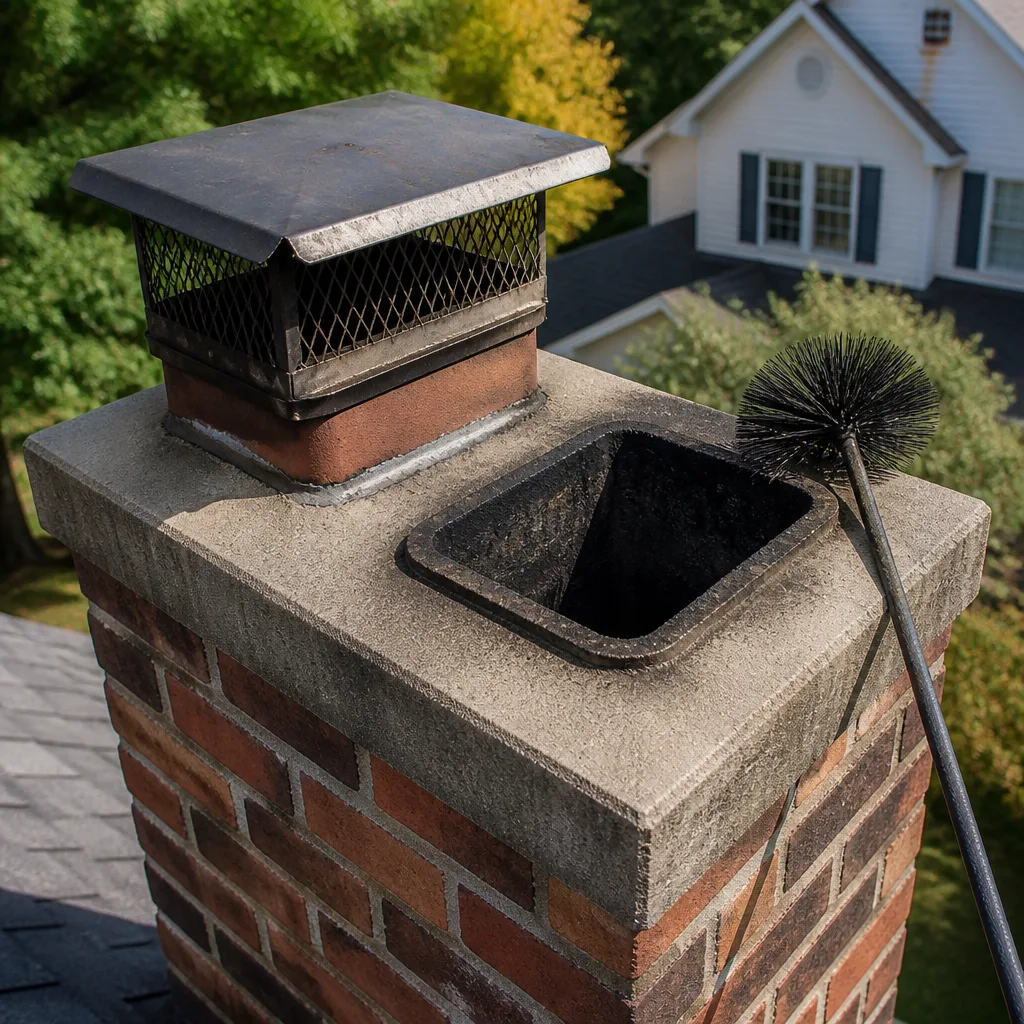
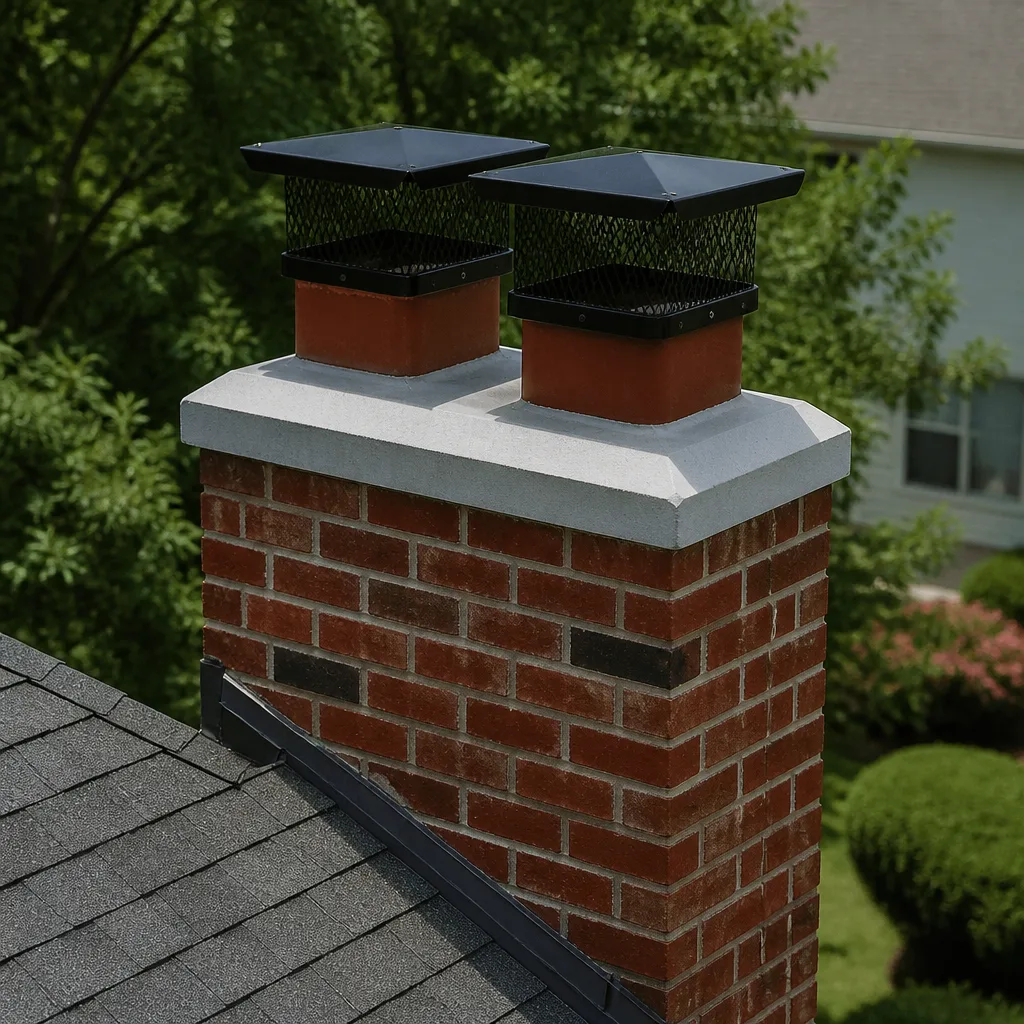
- Chimney cap replacement: $150 to $350. A missing or damaged cap lets water, debris, and animals into the flue. This is one of the least expensive repairs and one of the most important to do promptly.
- Damper repair or replacement: $250 to $550. A damper that won’t seal lets heated air escape when the fireplace isn’t in use and lets cold air in.
- Crown repair: $350 to $900. The crown is the concrete cap at the top of the chimney that sheds water. Cracks let water in, which leads to bigger problems below.
- Flashing repair: $200 to $600. The flashing is where the chimney meets the roof. Failed flashing is a common source of water intrusion.
- Flue liner resurfacing with HeatShield: $1,200 to $2,800 typical. HeatShield is an industry-standard flue resurfacing system designed to extend the life of a deteriorating liner without full replacement. It’s a repair path worth asking about before assuming replacement is the only option.
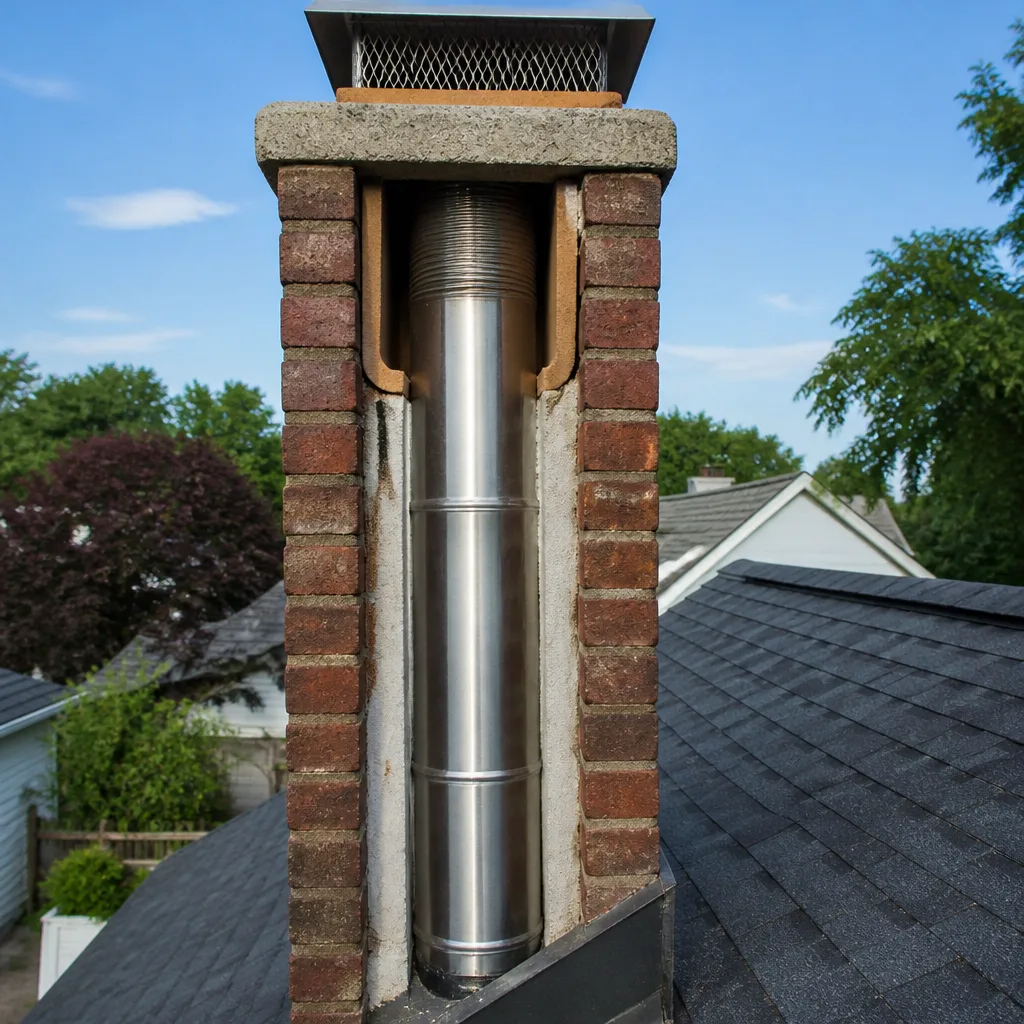
- Full liner replacement: $2,500 to $5,500 or more. When the liner is beyond resurfacing, a flexible liner system like DuraFlex is installed. These are engineered for high-temperature chimney environments and long-term durability.
For caps, dampers, and venting components, professional-tier parts make a difference. We work with product lines like Olympia Chimney and Famco because they’re the same materials certified chimney professionals use, not hardware-store substitutes. On a system that handles combustion byproducts, that distinction matters.
The important thing about repair pricing is that it should follow inspection, not precede it. A repair quote that appears before anyone has looked inside your flue is a quote built on assumption. Repair work should also come with a clear answer to the question “can this safely wait?” Sometimes it can; sometimes winter is coming and the answer is no. A straight answer to that question is worth more than a discount.
How Deferred Maintenance and Our Climate Inflate Chimney Costs
Most of the expensive chimney work we see starts as something small that wasn’t addressed. A missing cap. A hairline crack in the crown. A damper that stopped sealing years ago. Each is a modest repair on its own. Left alone, they allow water and debris into places that weren’t designed to handle either, and the cost climbs with each season.
Wilmington’s weather works against a neglected chimney. Heavy seasonal rain pushes water against the crown and flashing, and wind-driven storms test caps and their attachments. Wet masonry and wet flue interiors are where bigger problems begin: deteriorated liners, spalling, and interior damage that’s invisible until it’s expensive. The region also has wildlife pressure. Birds, squirrels, and other animals find uncapped flues appealing, and a nest blocking a flue is both a smoke problem and a carbon monoxide problem.
Creosote buildup is the other quiet cost driver. Every fire deposits creosote in the flue. Over time, without sweeping, it accumulates and hardens. Stage 3 creosote is difficult and time-consuming to remove, and it’s the stage that carries the highest risk of a chimney fire. A $200 sweep done on schedule is cheaper than the removal of a hardened deposit, and far cheaper than the aftermath of a fire.
Deferred maintenance also shows up at resale. A home inspection typically flags chimney concerns, and a buyer who sees a camera report with unresolved liner damage will negotiate accordingly. Keeping the report current is a small cost that protects a much larger one.
If you haven’t had the chimney looked at in a few seasons, start with an inspection rather than a cleaning. The chimney repair conversation is much easier when you know exactly what needs attention, and sometimes the honest answer is that nothing does. When work can safely wait, that should be said plainly. When it can’t, the evidence on camera makes the case better than any sales pitch.
How to Use Competing Quotes as a Vetting Tool
Getting two or three quotes is smart, but the comparison should be about scope, not just the bottom line. A lower number for less work isn’t a better deal; it’s a different job. Here’s how to use competing quotes to actually vet the providers:
- Ask each provider what inspection level is included. If the quote doesn’t say, that’s your first question. A quote that specifies “Level 1 visual” or “Level 2 with camera” is more trustworthy than one that just says “cleaning.”
- Ask for the report format. A photo report you can keep is the standard we hold ourselves to. If a provider can’t tell you what documentation you’ll get, ask why not.
- Compare line items, not totals. Two quotes for $300 can cover very different work. Line-item clarity tells you which is which.
- Ask whether the quote is a hard price or an estimate. The best answer is that the written estimate sets the price after the inspection. Prices that change without explanation after the work starts are the ones to worry about.
- Ask what happens if the inspection finds nothing. A provider who can tell you “then you’re done for the year” is being honest. One who seems to find a repair on every visit is telling you something too.
The goal isn’t to find the cheapest quote. It’s to find a provider whose quote actually describes the work, whose inspection you can see, and whose recommendations you can verify. When you get three quotes that are all scoped the same way, the comparison becomes simple. When they aren’t, the differences tell you who’s being clear.
Wilmington homeowners have plenty of options for chimney work. The ones worth keeping are the ones who show you the flue, explain what they found in plain language, and tell you when a repair can wait. That’s a standard worth comparing against, and it’s the one we aim to hold.
See the difference
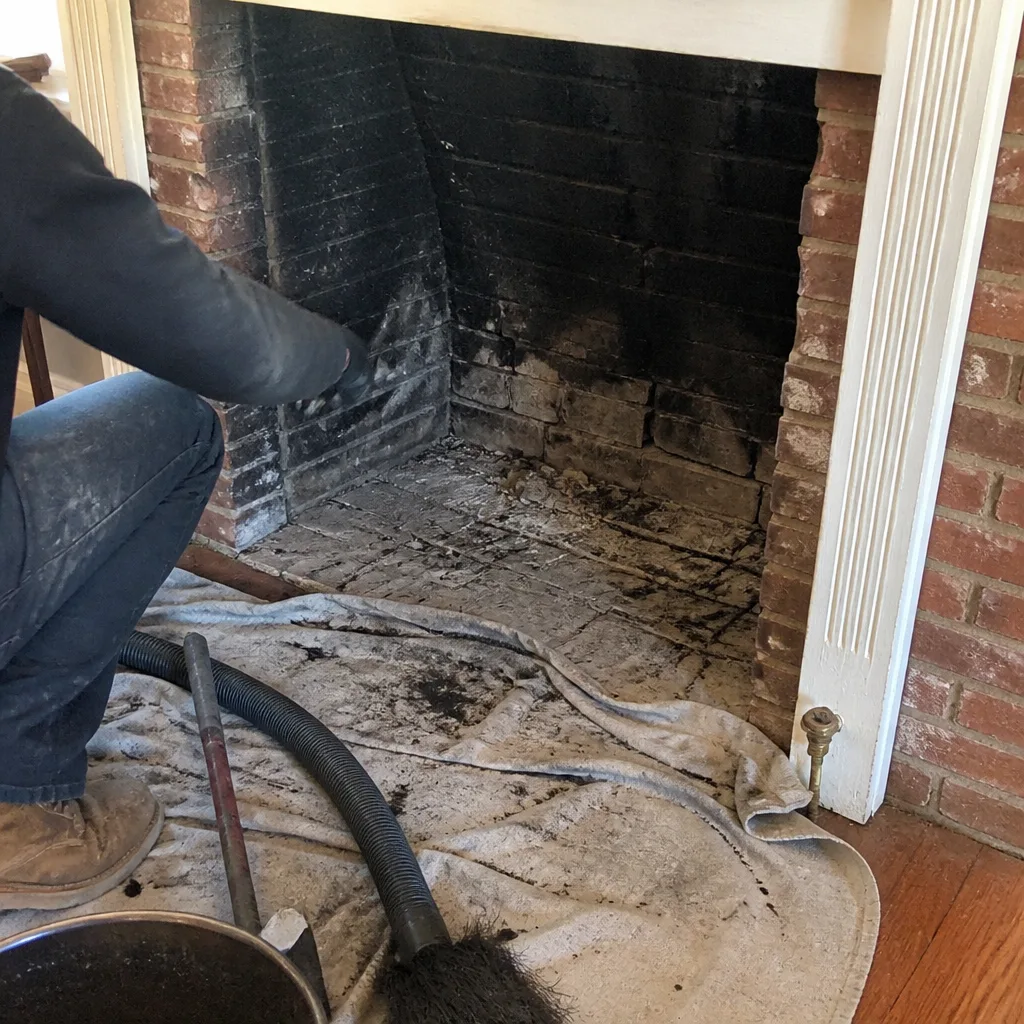 Before
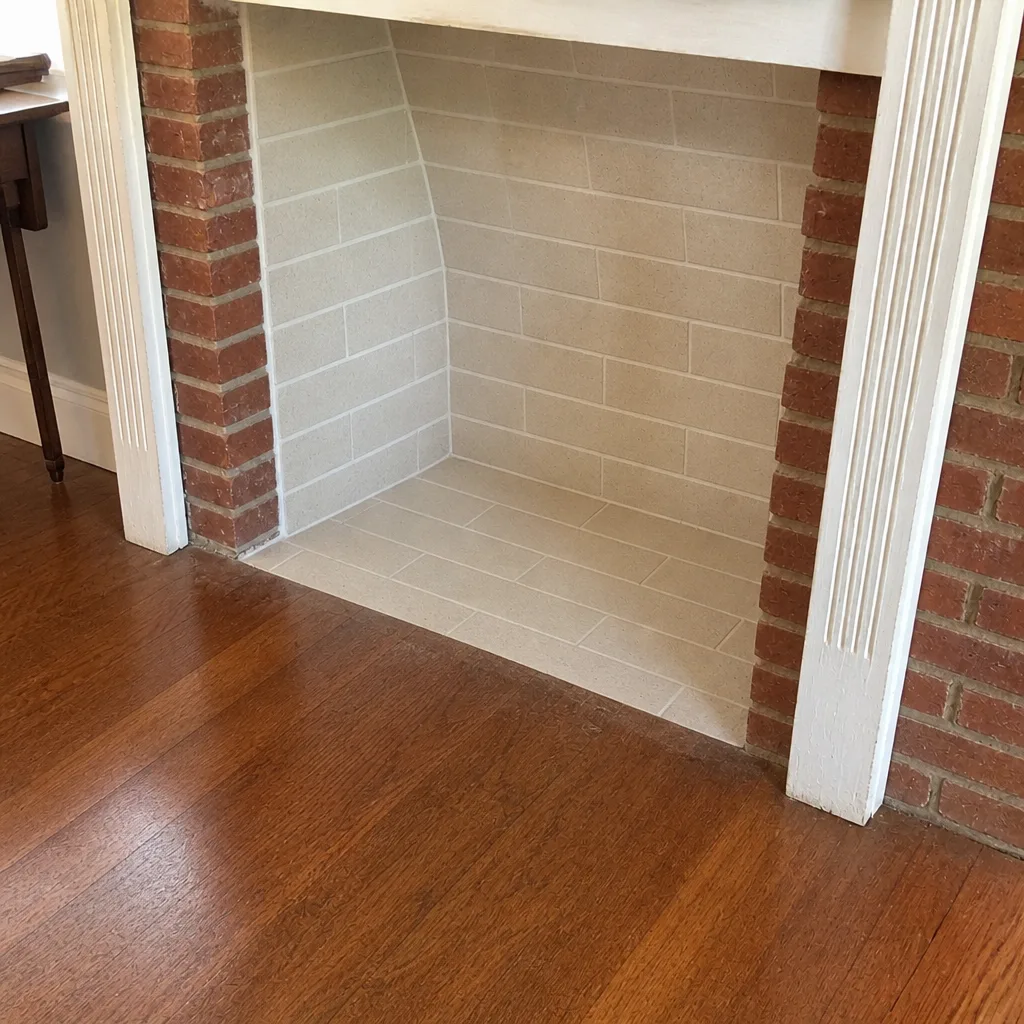 After
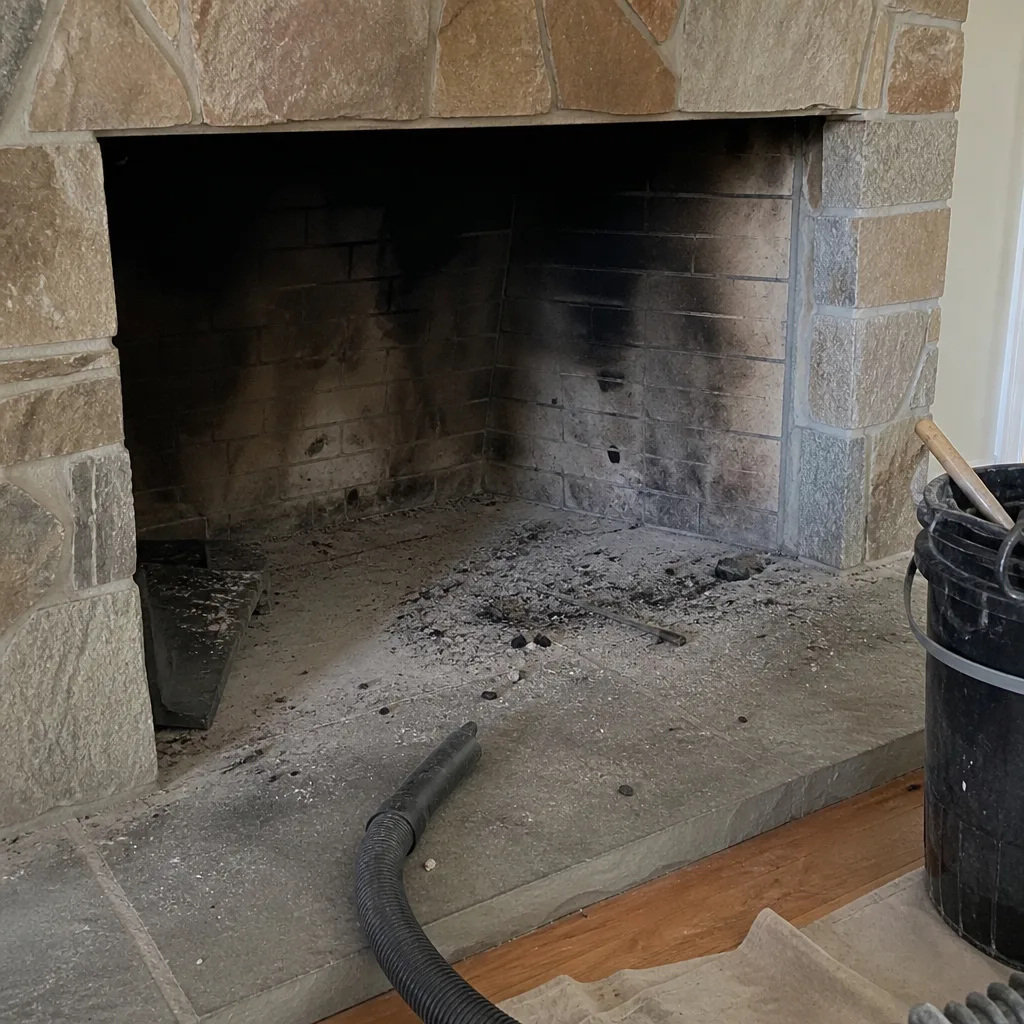 Before
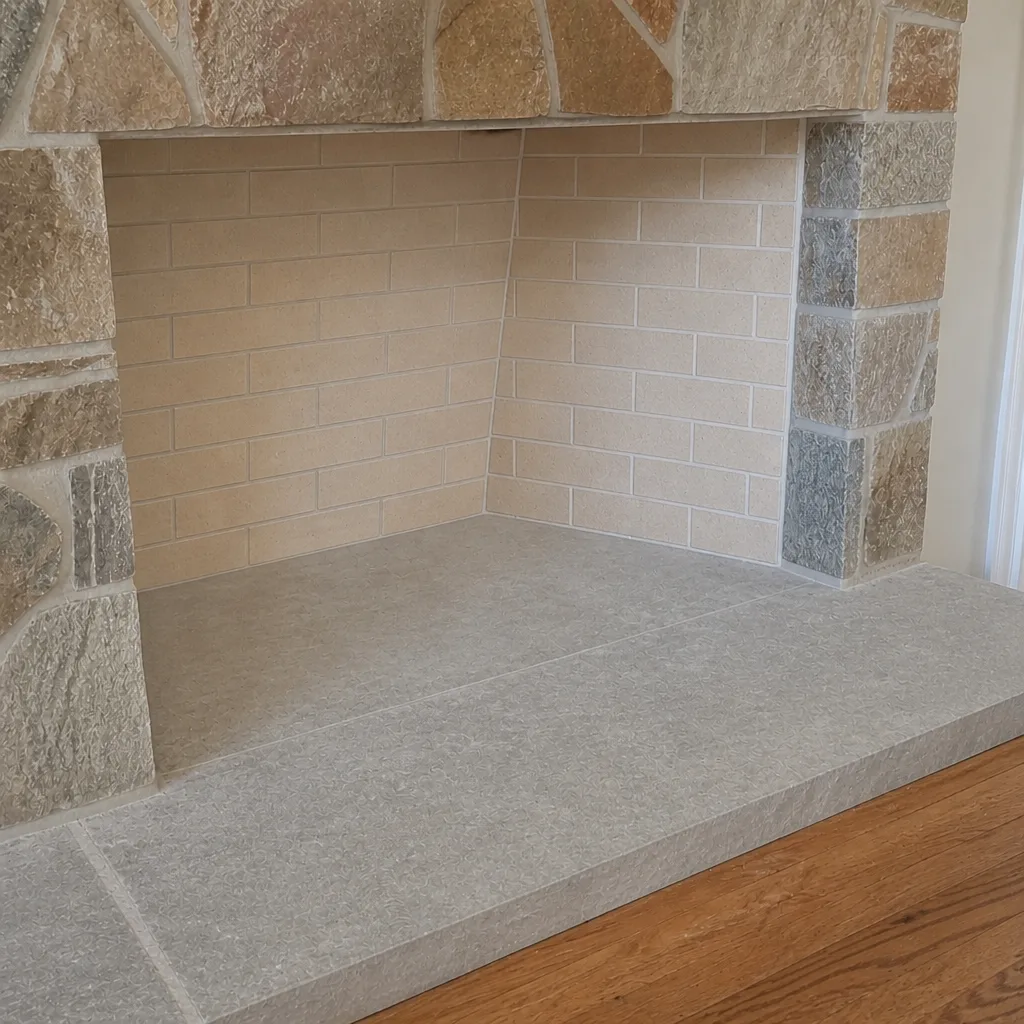 After
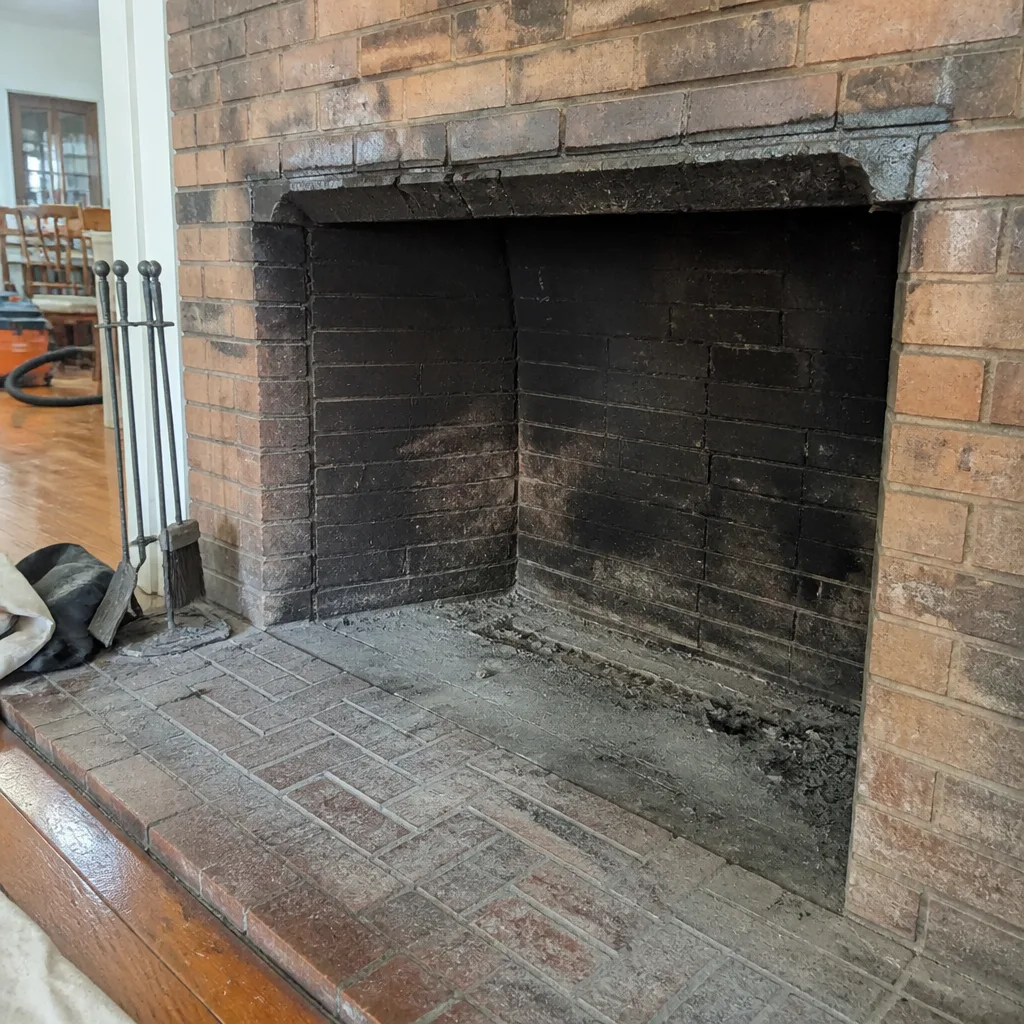 Before
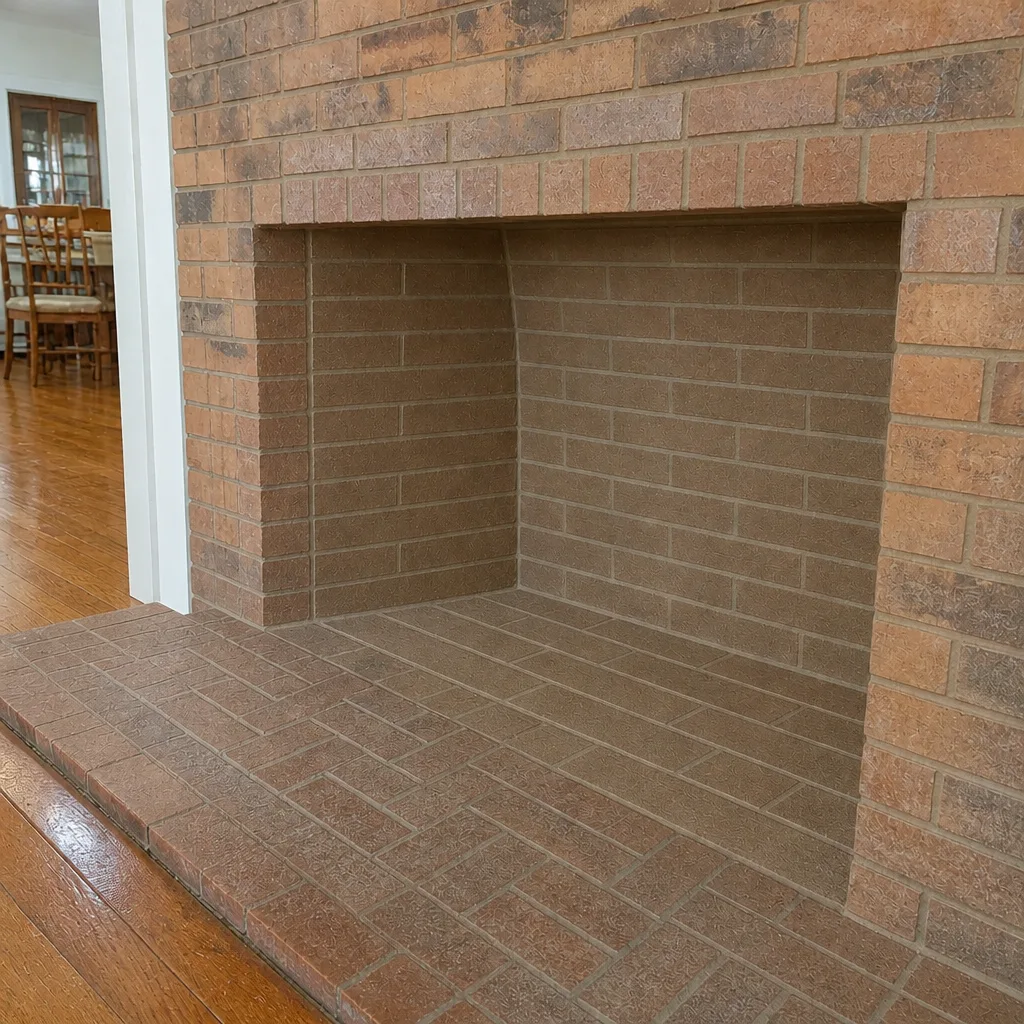 After
Common Mistakes to Avoid
- Buying a cleaning special without a scope. A “chimney cleaning” coupon with no mention of inspection is likely a brush-and-go. You’ll walk away with a cleaner flue and no idea whether it’s safe. Ask what the special covers before you book it.
- Skipping the camera because the price felt high. The camera is how the failure gets found. Without it, a minor liner issue becomes a major one on the next visit, and the camera cost looks small in hindsight.
- Choosing the lowest quote without comparing line items. In Wilmington, the same “cleaning” can mean two very different amounts of work. A lower quote for less service isn’t a savings; it’s a gap in coverage.
- Ignoring a missing chimney cap. A cap is one of the cheapest parts on the system and one of the most important. Without it, water, debris, and animals get in. Fix it early rather than paying to repair what it let in.
- Putting off the sweep until the first cold snap. The best time to address a chimney concern is before you need the fireplace, not after. A pre-season inspection gives you time to plan repairs rather than schedule around them.
- Accepting a liner replacement quote without asking about resurfacing. HeatShield resurfacing can extend a deteriorating liner without full replacement in the right conditions. If replacement is being quoted, ask whether resurfacing has been considered.
When to Call a Professional
Some chimney conditions are worth watching. Others need a call now. Call for an inspection if the chimney hasn’t been checked in a year or more, if you’ve noticed smoke backing into the room, if the firebox shows damage, or if there’s a strong smell from the fireplace in warm weather. Call for a sweep if you burn wood regularly and haven’t had the flue cleaned recently. Call after a chimney fire, even a small one, and after any storm that may have affected the cap or flashing. Call before buying a home with a wood-burning system, so the inspection is done by someone who focuses on chimneys rather than a general home inspector making a pass at it. Wilmington Chimney Cleaning offers free estimates in Wilmington. Call (855) 947-5166 to book a sweep or inspection.
Frequently Asked Questions
Chimney cleaning in Wilmington typically costs $180 to $340 for a standard sweep with a Level 1 inspection. Heavier creosote removal, a taller flue, or a bundled Level 2 camera inspection pushes toward the higher end. Call (855) 947-5166 for an exact quote; estimates are free.
Not every visit, but the camera inspection is worth doing whenever the chimney is new to you, hasn’t been checked in years, or has shown any sign of a problem. It’s also the right call after a chimney fire or a change in fuel type. Without it, a liner issue may go undetected until it’s more expensive to fix. Call (855) 947-5166 to discuss which inspection level fits your home.
For a wood-burning fireplace in regular use, a sweep once a year is the common standard, and many homes do well with a sweep and inspection at the same visit. Gas inserts have different servicing needs. The honest answer for your home comes from an inspection, not a calendar. Call (855) 947-5166 to book a look.
Creosote builds up and hardens, the risk of a chimney fire goes up, and a flue obstruction can push carbon monoxide into the living space. A missing cap also lets water and wildlife in, which leads to repairs that cost more than the sweep. The risk grows with every season you wait. Call (855) 947-5166 to get on the schedule.
It can be either, which is why the evidence matters. A liner replacement is justified when the camera shows damage that resurfacing can’t safely address. HeatShield resurfacing is a repair path that can extend a deteriorating liner’s life without full replacement, and it’s worth asking about before assuming the worst. If a provider can’t show you the footage, get a second opinion. Call (855) 947-5166 for an estimate with the findings explained.
We can often get a sweep or inspection on the schedule quickly, and the phone line is the fastest way to find out. We answer 24/7, and fast dispatch runs from 7am to 7pm, Sunday through Friday. A call outside dispatch hours is booked into the next opening, Sunday through Friday, 7am to 7pm. Call (855) 947-5166 to book.
The Bottom Line
Chimney cleaning prices in Wilmington vary because the work varies. A sweep with a Level 1 inspection, a camera inspection, and a repair are three different line items, and a quote that blurs them is hard to compare. The right approach is straightforward: ask what inspection is included, ask to see the findings, ask whether a repair can wait, and compare quotes on scope rather than total. A specialist who works with professional-grade materials, explains what was found, and can tell you when you don’t need work is worth more than the lowest number on the page. For a free estimate in Wilmington, call (855) 947-5166. We answer 24/7. Fast dispatch from 7am to 7pm, Sunday through Friday.
If you’re ready to move forward, our Wilmington Chimney Cleaning team handles sweeps, repairs, and inspections together, and our Wilmington service area covers homes across the region. One call covers all three, and you’ll leave with a report you can keep.
Written by the team at Wilmington Chimney Cleaning.