
Last updated November 16, 2026
 Sweep & inspection
 Caps & crowns
 Flue relining
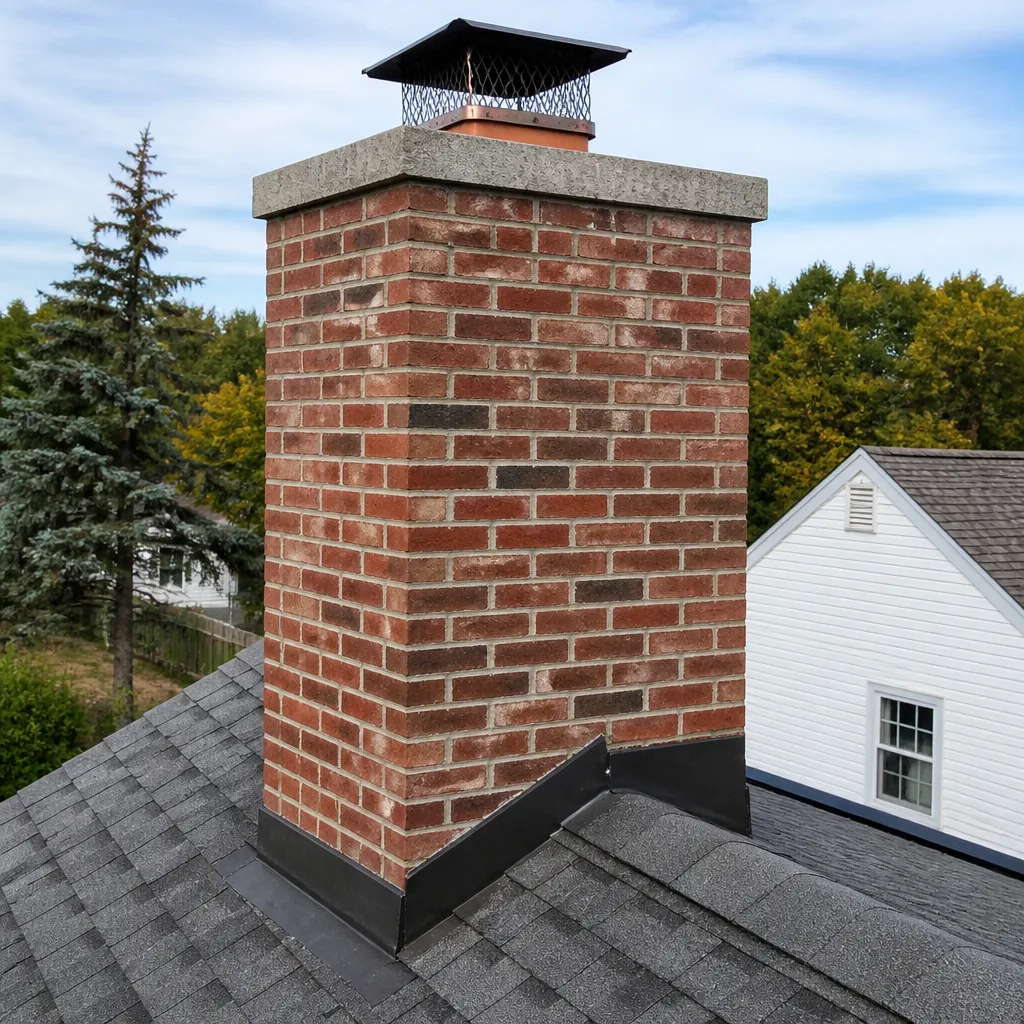 Masonry repair
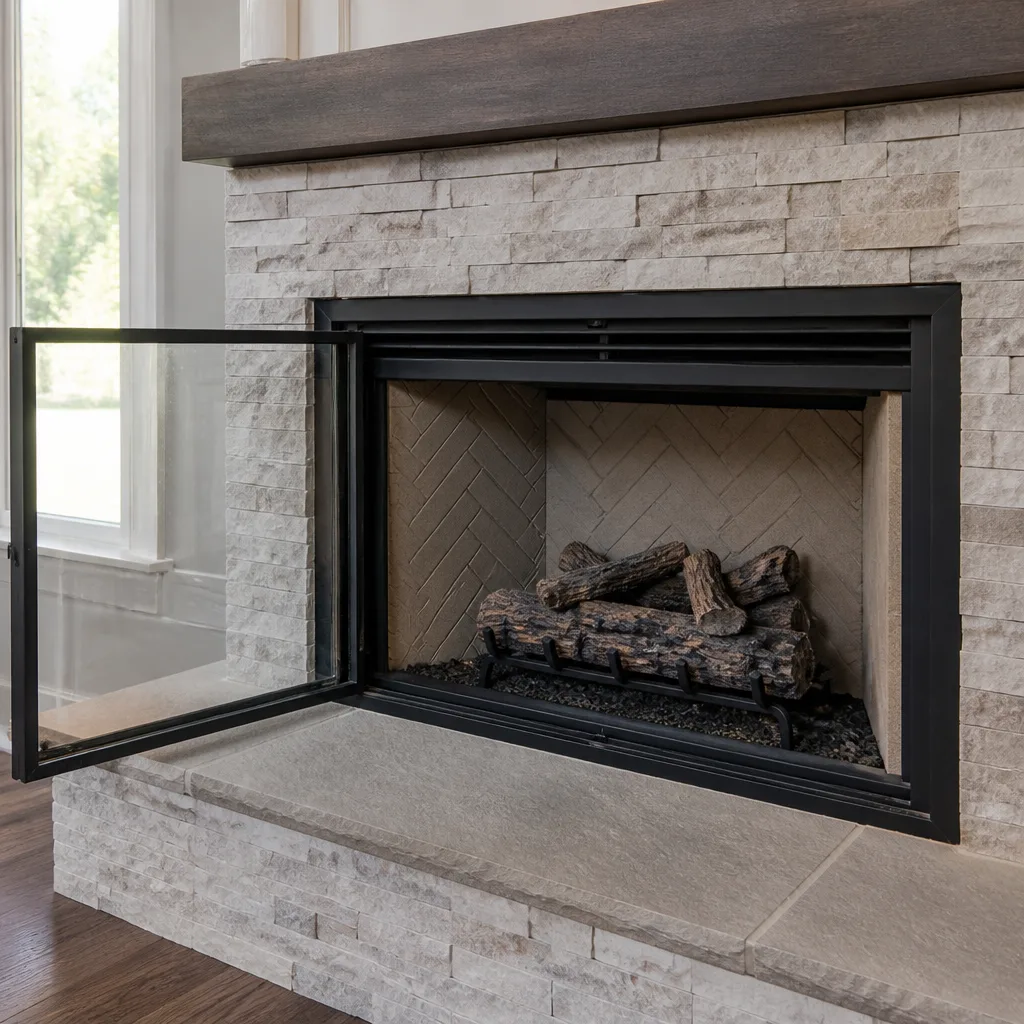 Gas fireplace service
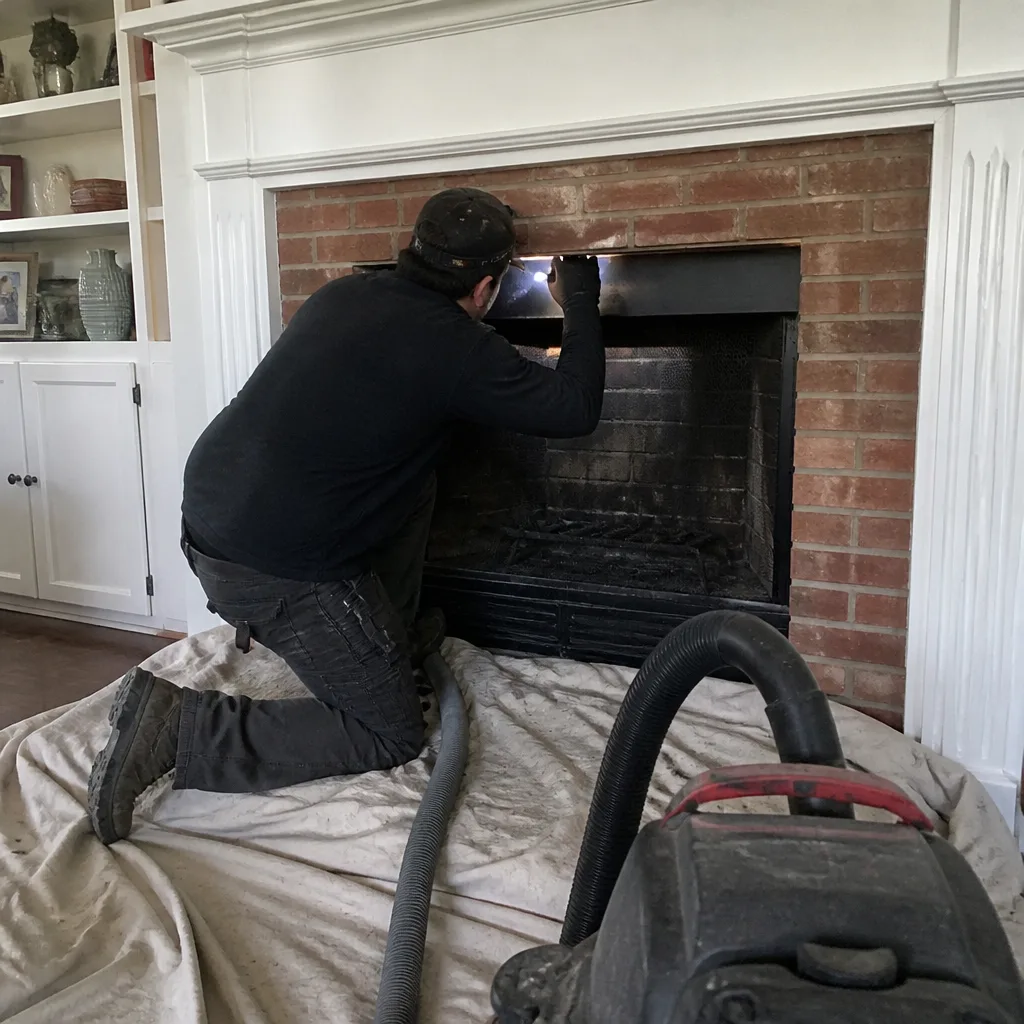
Level 1 sweep and inspection to the NFPA 211 annual standard - flue, crown, cap, and flashing checked and photographed
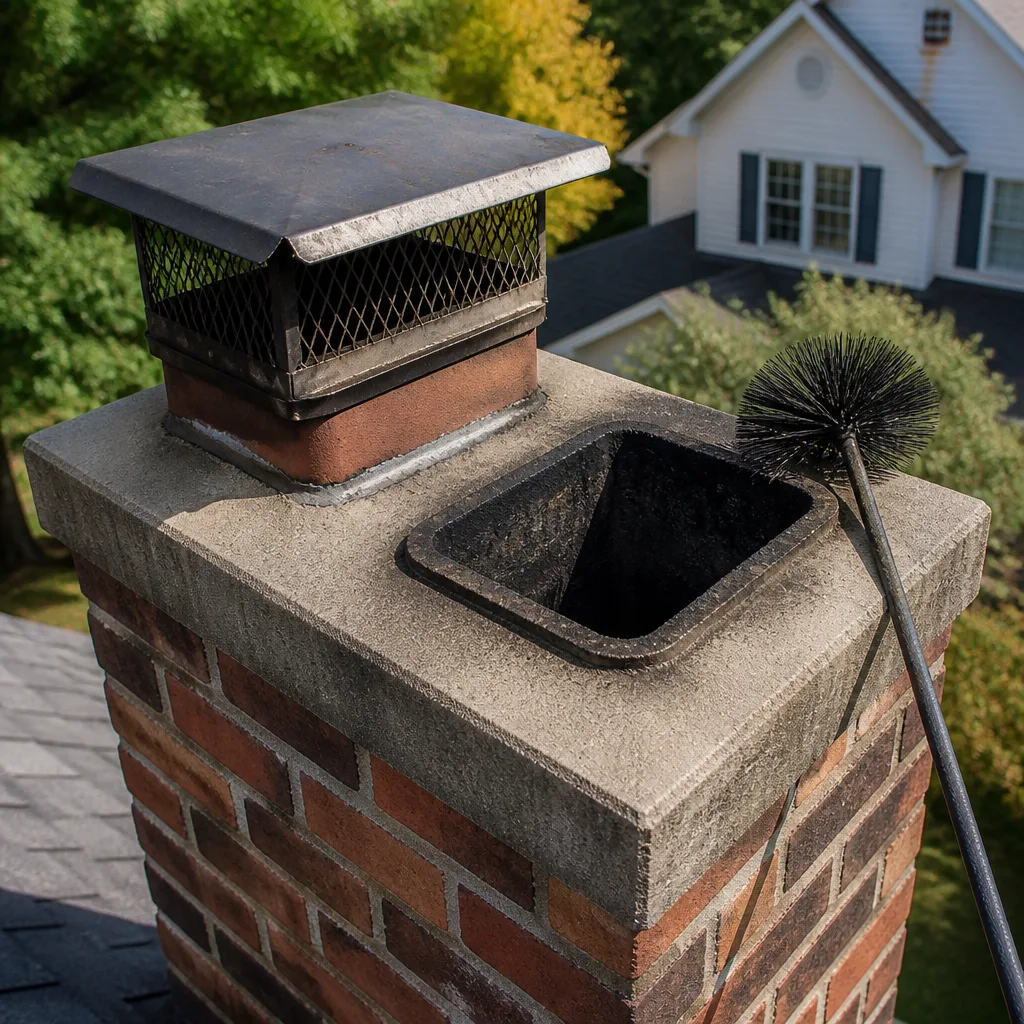
Chimney sweep logs do not sweep chimneys. They loosen some creosote - which then falls where a brush and vacuum still have to collect it.
The Complete Guide to Chimney Cleaning in Wilmington
Most chimney guides are written for homeowners who burn wood six months a year and shovel snow off the roof to check the cap. If you light your Wilmington fireplace eight or ten times a season, that advice doesn’t fit. The mild winters here mean the chimney sits idle for months at a stretch, and idleness in this climate is not the same as rest. Damp air, warm spells between cold snaps, and a firebox that goes cold for weeks create conditions that cold-climate guides never address. We’re going to walk through what Wilmington’s environment actually does to a chimney, why low-use chimneys still need attention, and how to read a cleaning report so you know what’s urgent and what can wait.
Quick Answer
Chimney cleaning in Wilmington means removing creosote, soot, and debris from the flue even when you burn only a handful of fires a year, because the mild, humid climate lets blockages build between seasons without the drying heat that northern chimneys get. A professional sweep includes a camera inspection, and here that inspection matters as much as the brush, since moisture damage and cracked mortar often show up before a fire hazard does. Most Wilmington homes do well with an annual sweep and a Level 1 inspection, with a Level 2 whenever something changes in the system.
Styles & brands we work with
- Sweep & inspection
- Caps & crowns
- Flue relining
- Masonry repair
- Gas fireplace service
Table of Contents
- What Wilmington’s Climate Does to a Chimney
- Why Low-Use Chimneys Still Build Up Creosote and Blockages
- What a Professional Sweep Actually Involves
- Level 1 vs Level 2 Inspections: What Wilmington Homeowners Need
- How to Read a Chimney Sweeping Report
- What Chimney Cleaning Costs in Wilmington
- How Often Should a Wilmington Chimney Be Cleaned?
- Common Mistakes to Avoid
What Wilmington’s Climate Does to a Chimney
Humidity is the quiet problem in Wilmington chimneys. When a fire isn’t burning, the flue is essentially a tall clay tube full of moist air, and warm, damp air condenses on the cooler masonry inside. Over a long mild winter and a hot, sticky summer, that moisture works its way into the mortar joints between flue tiles, into the crown on top of the chimney, and into any hairline cracks in the liner. None of this announces itself with a dramatic event. It shows up as a crumbling mortar joint a technician can see with a camera, or a flue tile that’s shifted slightly out of line.
The mild winters create a specific pattern. In colder climates, the heating season means the chimney gets hot regularly, and that heat drives moisture out of the masonry. Here, your chimney may go weeks without a fire, then get a hot one on a cold snap, then sit cold again. That wet-dry cycling is hard on mortar. It’s also easy to miss because nothing looks wrong from the hearth.
Wilmington’s older neighborhoods – the historic streets near downtown, the established homes along Market Street, the older stock in the Forest Hills area – often have chimneys built before modern liner standards. Those flues are more vulnerable to moisture because the mortar and clay were never meant to shrug off decades of humid idle time. The Wilmington housing mix is part of why a local eye on your chimney matters more than a national checklist.
- Damp air condenses inside an idle flue, softening mortar joints from the inside
- Warm spells between cold snaps create wet-dry cycling that cracks the crown and flue tiles
- Long warm summers keep the whole assembly damp for months
- Older downtown Wilmington chimneys often lack modern liner protection
Why Low-Use Chimneys Still Build Up Creosote and Blockages
A chimney that sees eight fires a year doesn’t collect creosote the way a northern chimney does, but it collects different things just as reliably. Every fire deposit leaves a thin layer of soot and creosote on the flue walls, and that layer stays put through months of disuse. The first fire of the next season doesn’t clear it out; it adds to it. Over several seasons, a light-use chimney can carry a surprising amount of glaze.
Then there’s everything that isn’t fire-related. A cold flue is a wonderful place for wildlife. Birds nest on top of the smoke shelf or in the flue itself, and once a nest dries out it becomes a blockage. Insects and wasps move in during the warm months. Debris blows in through a missing or damaged cap. Moisture-driven spalling sends flakes of mortar down the flue, and those flakes pile up on the smoke shelf or at the base of the flue.
The practical result is a chimney that looks unused but is quietly full of things that should not be there. A bird’s nest in a flue doesn’t just block smoke; it can catch fire when a hot ember reaches it. Spalling mortar narrows the flue and changes how the chimney drafts. And damp creosote sits there year after year, degrading along with everything else.
We’ve seen low-use chimneys in Wilmington where the flue was more blocked by accumulated debris than by actual creosote. The homeowner had no reason to suspect anything was wrong because they rarely burned. That’s the point of a professional chimney sweep: the check happens whether or not you think you need it.
What a Professional Sweep Actually Involves
A proper chimney cleaning is not a visual walkthrough with a flashlight. It’s a mechanical process with specific tools, and skipping any of it leaves deposits in place. Here’s what a professional sweep involves from start to finish.
- Set up the work area. Drop cloths or a containment sheet go down around the hearth, and the technician seals the firebox opening with a vacuum connection so no soot escapes into the room. A high-efficiency HEPA vacuum runs throughout.
- Check the firebox and damper first. The damper is opened and tested, the firebox is inspected for cracks or gaps, and the smoke chamber above the damper is looked at before any brushing starts.
- Brush the flue. The technician selects the brush type based on the liner material and the creosote condition – poly brushes for metal liners, wire brushes only where the flue can take them. A rotary brush on a flexible rod handles glazed creosote that a hand brush won’t touch.
- Clean the smoke chamber and smoke shelf. This is the area above the damper where debris accumulates, and it’s the part most casual cleanings skip. A proper sweep clears it.
- Run a camera down the flue. A chimney camera feeds back real images of the flue interior from the top and bottom, and the technician records what’s found. This is where moisture damage, cracked tiles, and gaps in the liner show up.
- Vacuum and clean up. Any debris in the firebox is vacuumed, and the work area is left as it was found.
- Walk the homeowner through the findings. The technician explains what the camera saw, what’s routine, and what needs attention.
The camera step is where a professional sweep separates itself from a quick brush-and-go. A brush can clear a flue and leave a cracked tile behind that the brush never touched. For older Wilmington chimneys, the camera is the most important tool in the kit.
Level 1 vs Level 2 Inspections: What Wilmington Homeowners Need
The three inspection levels are industry standard, and knowing which one applies to you takes the guesswork out of what a technician is recommending. A Level 1 inspection is the basic visual check that comes with a routine sweep. A Level 2 inspection adds a camera scan of the flue and the accessible parts of the chimney’s exterior and interior. A Level 3 is a deeper investigation that involves opening up part of the structure, and it’s outside the scope of a routine sweep.
For most Wilmington homeowners on an annual routine, a Level 1 with a sweep is the right call. The camera scan is standard in our work because it catches the moisture damage this climate produces, but when a full Level 2 is formally needed comes down to specific triggers.
When a Level 2 is warranted
- You’ve just bought the home and don’t know the chimney’s history
- You’ve had a chimney fire, even a small one
- You’re switching fuel types or installing a new insert or appliance
- The chimney has been through a significant weather event or structural change
- You’re noticing drafting problems, smoke rollback, or unusual odors
- The chimney hasn’t been inspected in years and the home is older
The important thing about the inspection level is that it’s a defined scope, not a sales pitch. A technician who walks you through what a Level 2 adds and why it applies to your situation is giving you a report, not a hard close. If the answer is “a Level 1 is all you need this year,” that’s a valid answer, and it’s one we give regularly.
For homeowners moving into the area, the chimney repair conversation often starts with the inspection report. Repairs should follow evidence, not the other way around.
How to Read a Chimney Sweeping Report
A chimney sweeping report is only useful if you can tell what’s urgent from what’s routine. The best reports separate findings into three buckets, and any technician worth hiring will do the same thing verbally if the written report isn’t detailed.
The three buckets
- Safety issues that need action now. Cracks in the flue liner that let heat reach framing, a disconnected flue pipe, a bird’s nest blocking the flue, or a deteriorated crown that’s letting water in. These aren’t maintenance items; they’re stop-and-fix findings.
- Repairs that should be planned. Softened mortar joints, a slightly cracked crown, a cap that’s missing or damaged, or a damper that’s sticking. These don’t fail tomorrow, but they get worse with every season in this climate.
- Observations to watch. Light glazing in the flue, minor spalling, or a small amount of debris on the smoke shelf. These go in the file and get checked next year.
The camera footage is where the “show me” happens. If a technician tells you the liner needs work, ask to see the image. A real finding shows up on camera. A finding that only exists in the technician’s opinion and not on the screen is worth a second look.
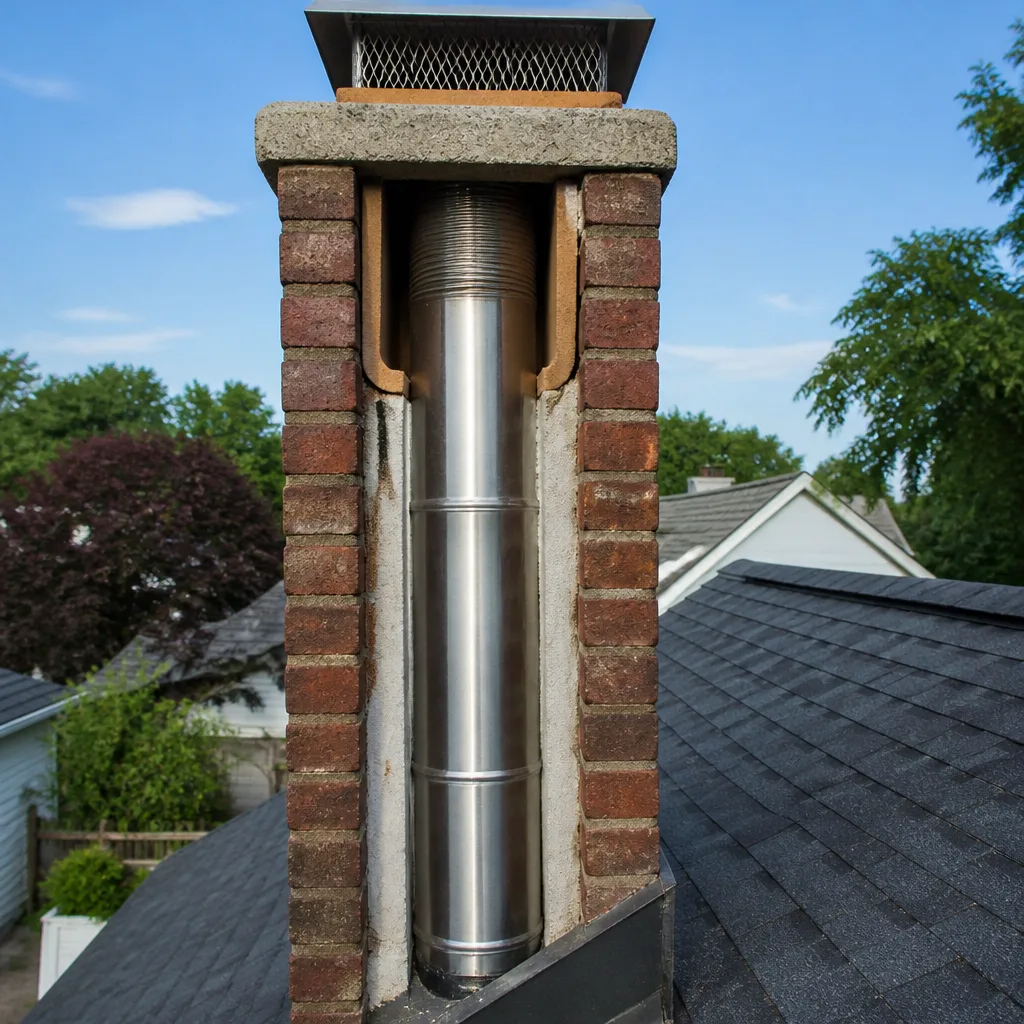
For liner resurfacing specifically, we use HeatShield, a system designed to restore a deteriorating flue liner without a full replacement. It’s the middle path between “sweep and watch” and “replace the whole liner,” and it only makes sense when the camera evidence supports it. For liners that have gone past resurfacing, we install DuraFlex flexible liner systems, which are engineered for high-temperature chimney environments. We also work with Famco and Copperfield for caps, dampers, and venting components, so the parts that go on your chimney match the professional standard the rest of the system was built to.
What Chimney Cleaning Costs in Wilmington
Chimney cleaning costs in Wilmington typically fall into a range based on the type of flue, the amount of buildup, and whether an inspection is included. Most routine sweep-and-inspect visits land in a standard band, while heavier jobs or jobs on unfamiliar chimneys run higher. The written estimate sets the final price, and it’s free.
| Service | Typical Estimated Range |
|---|---|
| Routine sweep with Level 1 inspection | $150 – $300 |
| Sweep plus Level 2 camera inspection | $250 – $450 |
| Heavy creosote or glazed flue cleaning | $300 – $600 |
| Chimney cap replacement | $200 – $500 |
| HeatShield liner resurfacing | Quoted per job after inspection |
| DuraFlex liner installation | Quoted per job after inspection |
These are estimates, not a menu. A single-story home with a straight flue and light buildup sits near the low end. A multi-story chimney with a damaged cap, a blocked flue, or heavy glazing sits higher. The way to size your job accurately is to book an estimate and get the written number.
One thing we’re clear about: nothing is recommended without camera evidence you can see for yourself. If the inspection shows a repair that can safely wait, we’ll tell you it can wait. A chimney that’s overdue for a sweep but structurally sound doesn’t need liner work, and saying so is part of the job.
How Often Should a Wilmington Chimney Be Cleaned?
The standard rule is an annual inspection, with a sweep whenever the flue has enough buildup to warrant it. That annual timing applies to Wilmington even though the burning season is short, because the buildup here comes from moisture and debris as much as from creosote. A chimney that sat cold for ten months can still be full of things that need clearing.
Here’s a rough guide for different situations:
- Burning a handful of fires a year: Annual inspection with a sweep if warranted. Don’t skip years because the fire count is low.
- Burning wood regularly through the season: Sweep at least once a year, more often if you notice heavy soot or a strong creosote smell.
- Gas insert: Annual inspection still applies. Gas burns cleaner but not clean, and a gas flue can develop its own issues with moisture and venting.
- Chimney you’ve never used: Full inspection before the first fire, because you don’t know what’s inside.
- Chimney that just served a fire with smoke rollback or unusual odors: Full inspection before the next burn, not after.
The annual timing isn’t arbitrary. A year is about how long it takes this climate to move a small mortar issue into a bigger one, and about how long it takes an unnoticed nest to become an unnoticed blockage. Cleaning is cheap. Repairs after a season of neglect are not.
Common Mistakes to Avoid
- Skipping the sweep because you hardly use the fireplace. Low use doesn’t mean low buildup in Wilmington. The flue can sit full of debris and light creosote for months, and the first fire of the season is when you find out the hard way.
- Hiring a generalist who does chimneys on the side. A handyman with a brush can clear a flue, but the camera, the liner diagnosis, and the moisture assessment are what make the sweep worth doing. Chimney work is all we do, and that focus matters for a system this specific.
- Treating the visual walkthrough as an inspection. Standing at the hearth and shining a light up the flue doesn’t show you the top of the chimney, the crown, or the inside of the liner. It can’t.
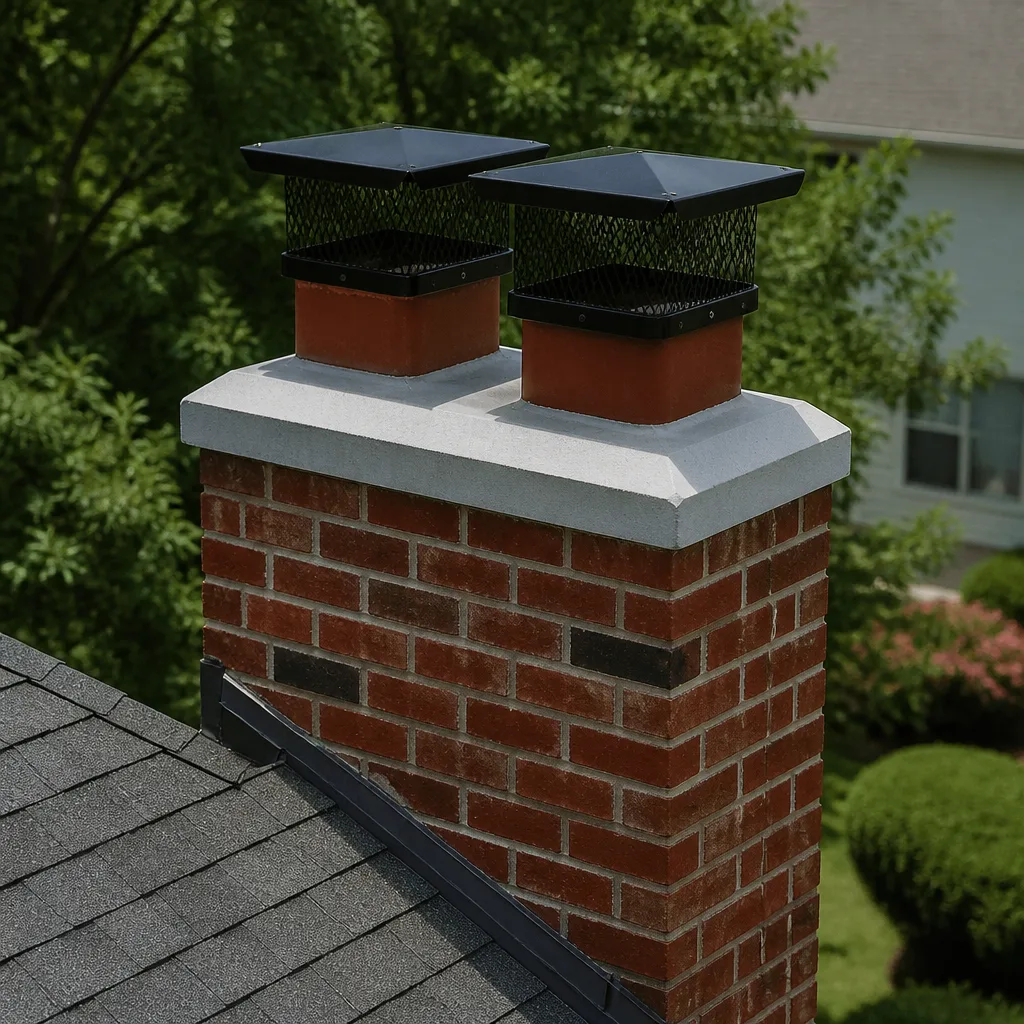
- Ignoring the crown and cap. The top of the chimney takes the most weather. A cracked crown lets water into the masonry, and a missing cap invites wildlife and debris. These are the two cheapest fixes that prevent the most expensive ones.
- Assuming a repair quote is automatically necessary. Ask to see the camera image. A technician who can show you the problem is a technician you can trust with the fix.
- Using hardware-store substitutes for parts. Caps, dampers, and liners are not interchangeable with generic parts. The right part for your flue, matched to the system, is what keeps it working.
- Waiting until fall to book the sweep. The chimney doesn’t care what the calendar says, but the backlog does. Booking earlier in the year gets you a clearer picture before the first cold snap.
See the difference
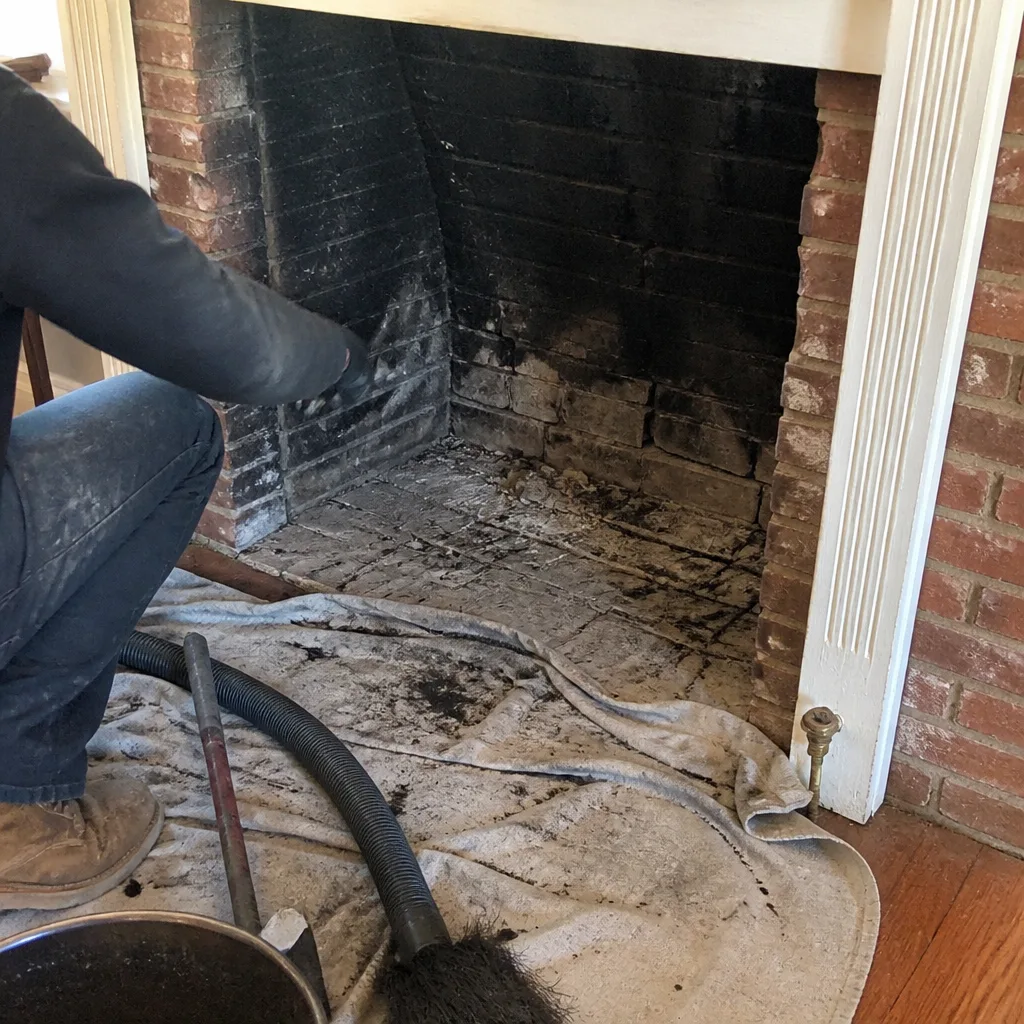 Before
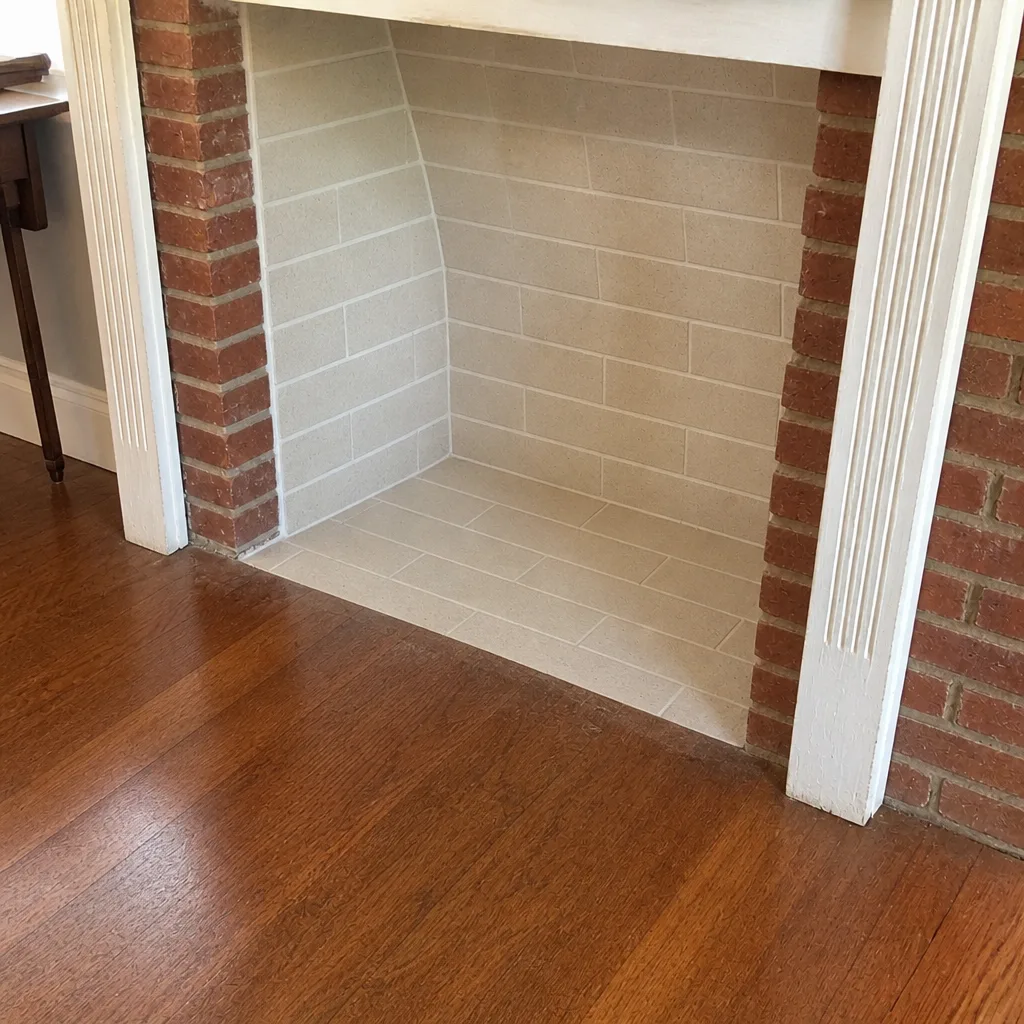 After
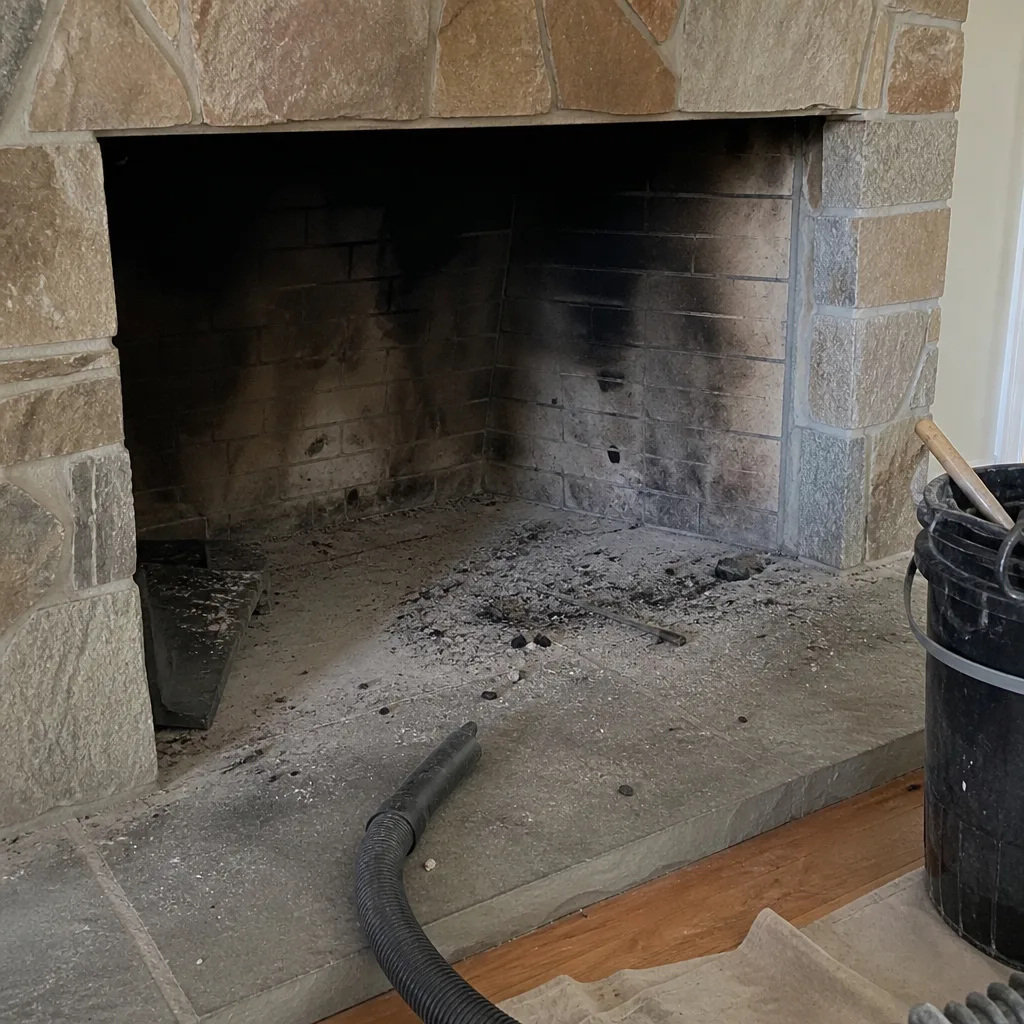 Before
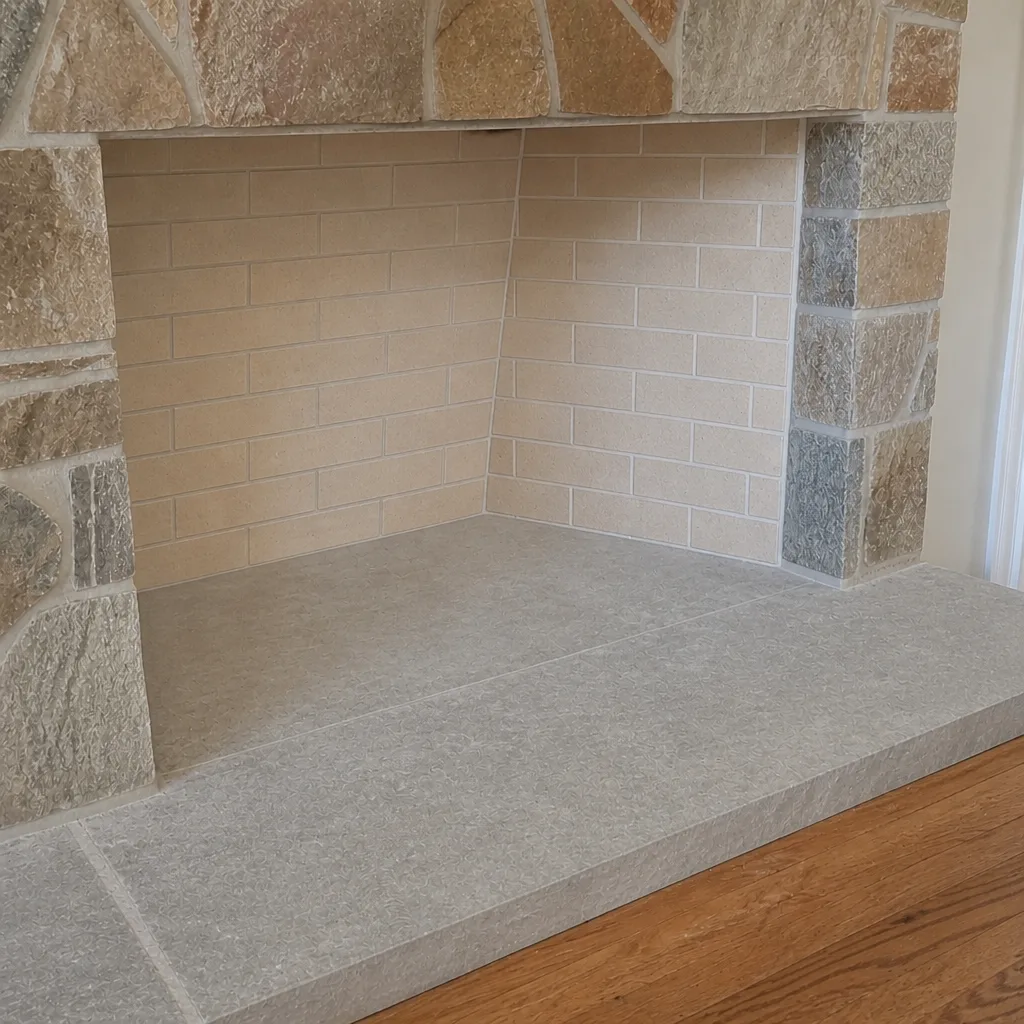 After
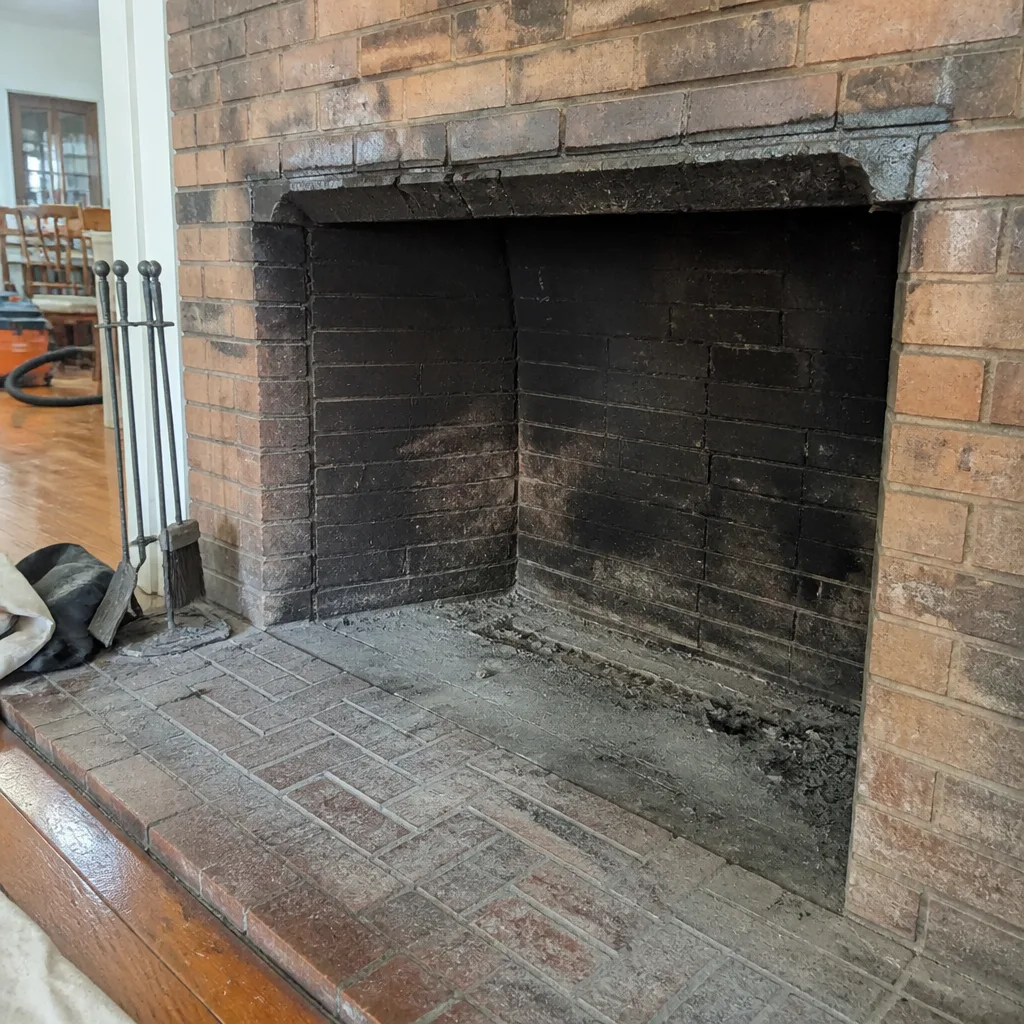 Before
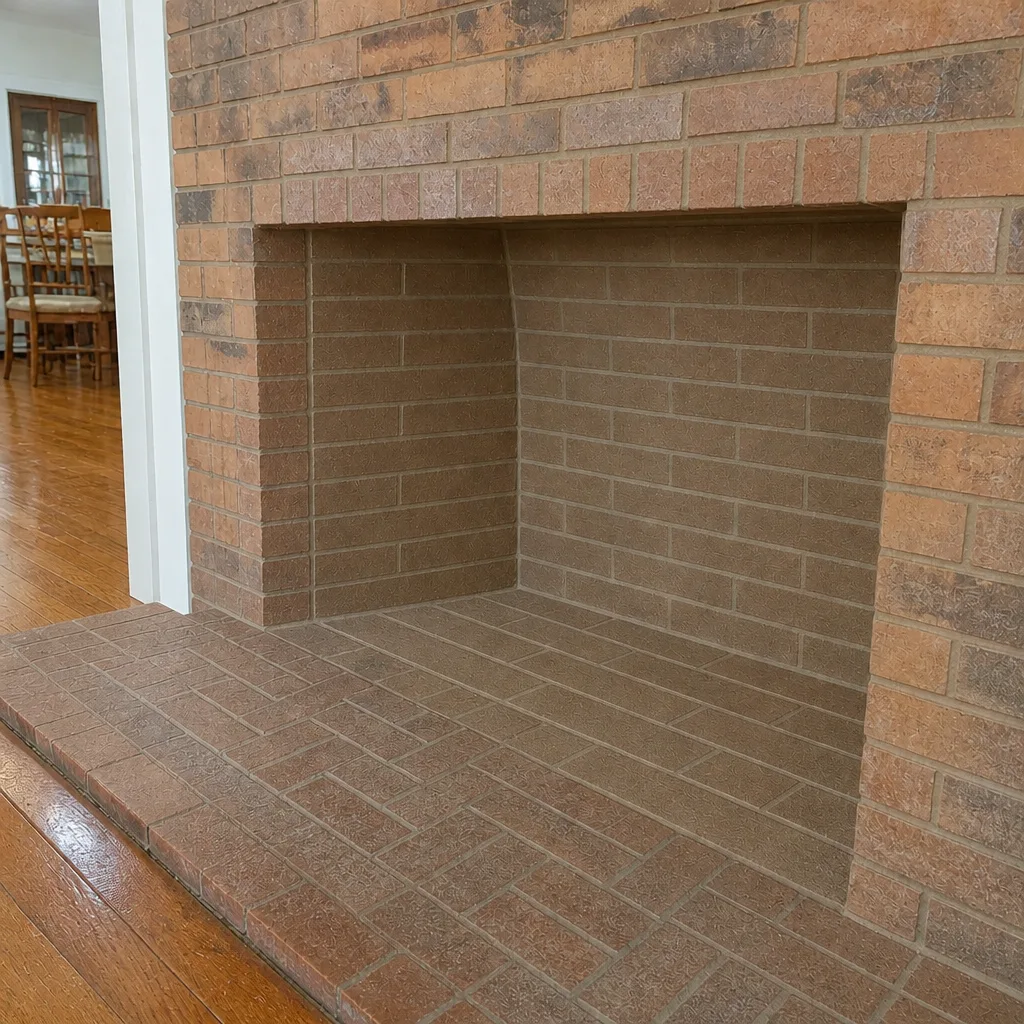 After
When to Call a Professional
Some chimney work is a “call us” situation, not a “get to it eventually” situation. Call a professional if you’ve had a chimney fire, even a small one, because the flue needs a real inspection before you burn again. Call if you’re seeing smoke rollback into the room, because drafting problems usually point to a blockage or a sizing issue that a visual check won’t find. Call if you’ve noticed a strong creosote smell in warm weather, since that often means a flue is degrading. Call if you just bought the home and don’t know the chimney’s history. Call if the chimney hasn’t been inspected in years. And call if anything about the system has changed – a new insert, a different fuel type, or a repair somebody else started. Wilmington Chimney Cleaning offers free estimates in Wilmington. Call (855) 947-5166. We answer 24/7. Fast dispatch from 7am to 7pm, Sunday through Friday.
Frequently Asked Questions
Chimney cleaning in Wilmington typically runs $150 to $300 for a routine sweep with a Level 1 inspection, with higher ranges for a Level 2 camera inspection or heavy creosote buildup. The written estimate sets the final price, and the estimate is free. Call (855) 947-5166 for an exact quote – estimates are free.
Only if the camera shows a liner that’s actually failed – cracked tiles, gaps, or deterioration that lets heat and moisture reach the framing. Plenty of Wilmington chimneys need resurfacing rather than replacement, and HeatShield is designed for exactly that middle case. Ask to see the image before you agree to anything. Call (855) 947-5166 for an exact quote – estimates are free.
Annually is the standard answer, even for homeowners who only burn a handful of fires a year, because this climate builds moisture-driven debris and blockages between seasons. If you burn wood regularly through the season, an annual sweep is the floor, not the ceiling. Call (855) 947-5166 to book a sweep and get a real read on your flue.
Creosote, soot, and debris keep building, and in Wilmington the moisture damage keeps progressing too. The risks are a chimney fire from glazed creosote, carbon monoxide backing up if the flue is blocked, and a small mortar problem turning into a bigger repair. Skipping is not free; it just moves the cost later. Call (855) 947-5166 for an exact quote – estimates are free.
Yes, and it often does. Bird nests, insect activity, spalling mortar, and light creosote accumulate even when the fireplace goes cold for months, and a mild climate means the flue stays damp long enough for moisture damage to start. Low use is a reason to inspect, not a reason to skip. Call (855) 947-5166 to book your inspection.
A Level 1 is the visual check that comes with a routine sweep; a Level 2 adds a camera scan of the flue and the accessible chimney parts. Wilmington homeowners typically need a Level 1 annually, and a Level 2 after a purchase, a chimney fire, a fuel change, or a long gap in service. Call (855) 947-5166 to find out which applies to your chimney.
The Bottom Line
Chimney cleaning in Wilmington is not a cold-climate routine borrowed from somewhere else. The humid, mild environment here lets moisture, debris, and light creosote build up quietly between short burn seasons, and the damage that follows shows up in mortar joints, crowns, and liners long before it shows up as a fire. That’s why the annual sweep and the camera inspection go together, and why a sweeping report you can actually read is worth more than a quick brush. Book the estimate, see the images, and let the evidence decide what your chimney needs. One call covers the sweep, the repair, and the inspection, and it’s Wilmington Chimney Cleaning on the other end.
Call (855) 947-5166 for a free estimate. We answer 24/7. Fast dispatch from 7am to 7pm, Sunday through Friday. Professional-grade materials from brands chimney specialists trust, and no liner or masonry recommendation without camera evidence you can see for yourself.
Written by the team at Wilmington Chimney Cleaning.