
Last updated November 16, 2026
 Sweep & inspection
 Caps & crowns
 Flue relining
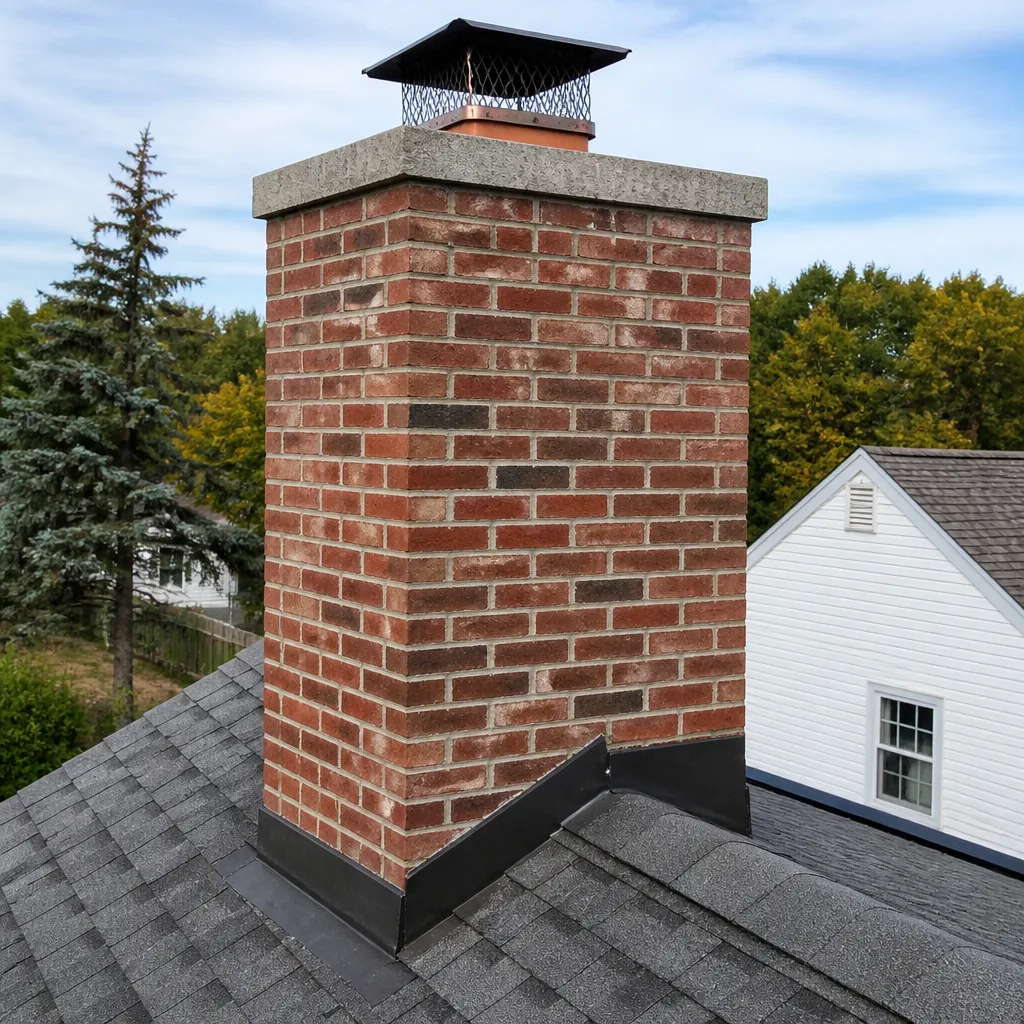 Masonry repair
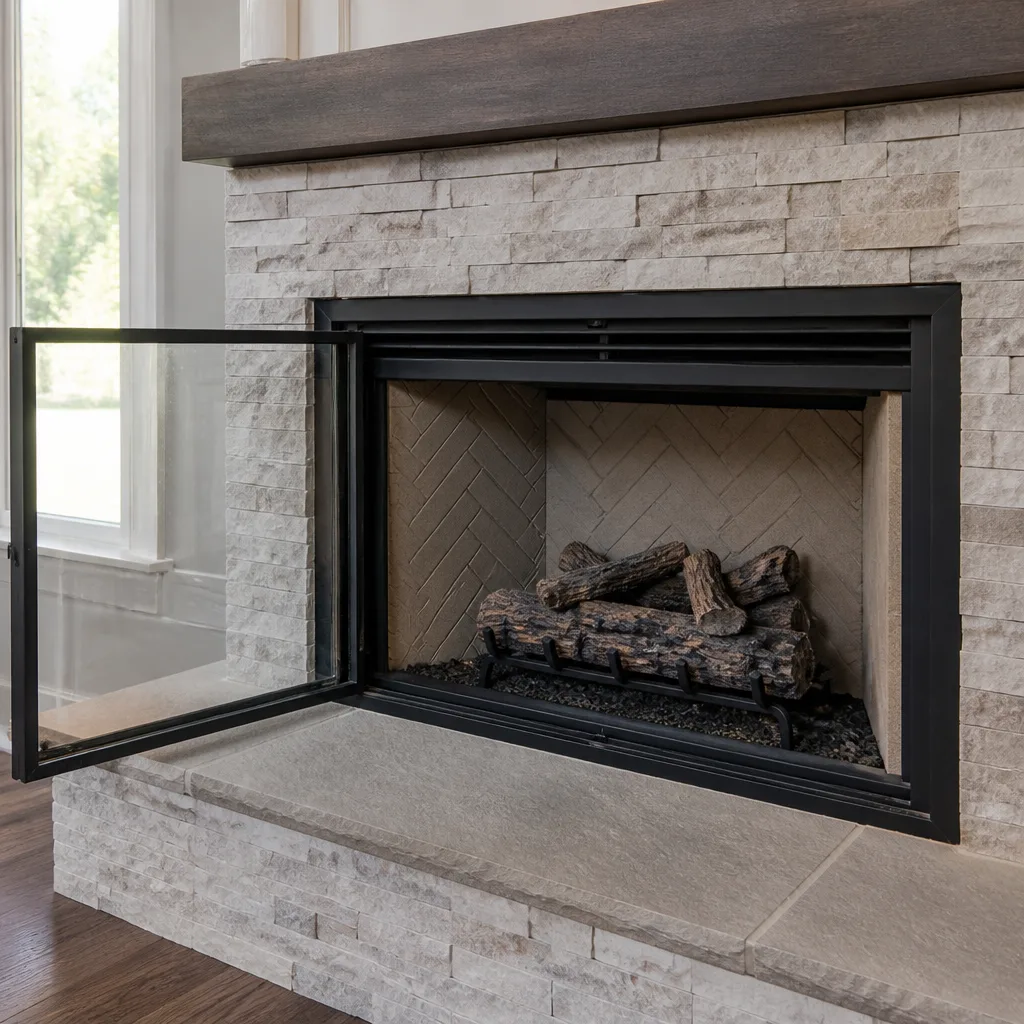 Gas fireplace service
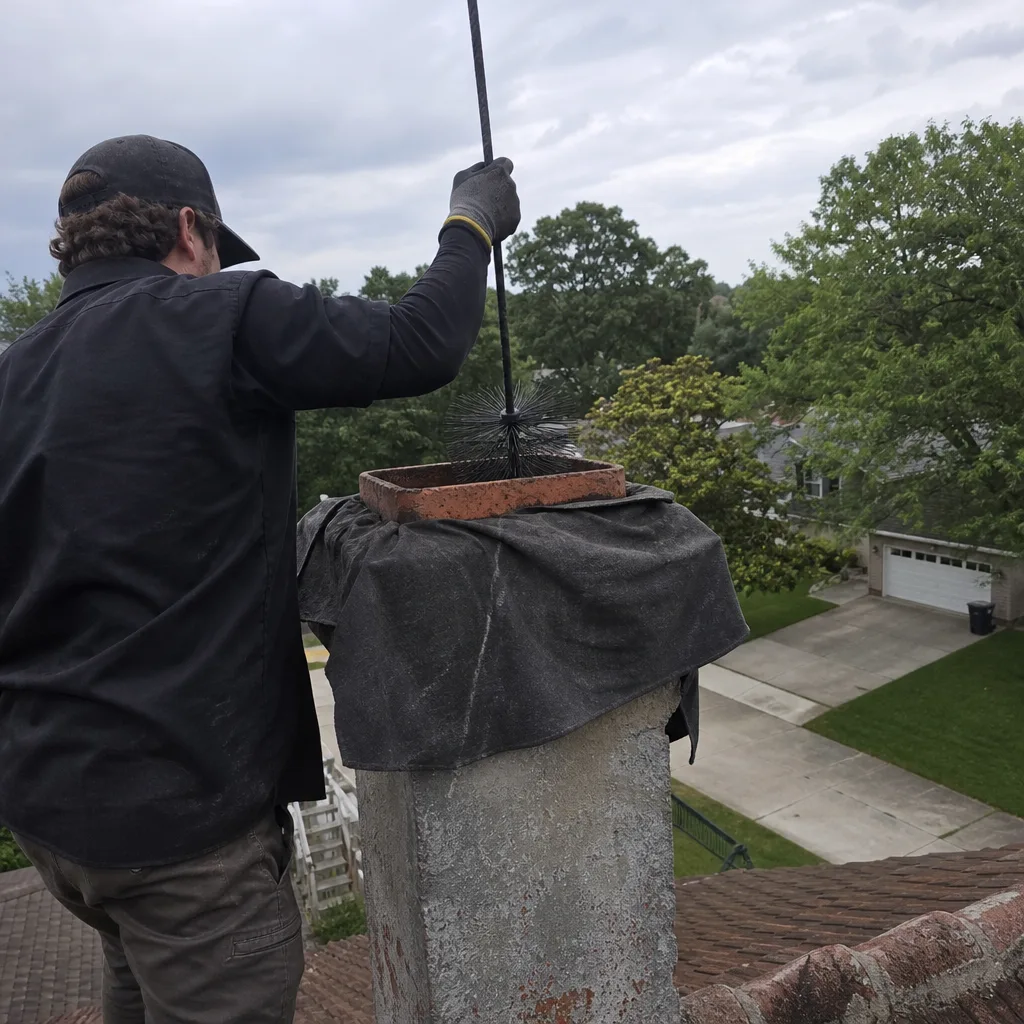
Level 1 sweep and inspection to the NFPA 211 annual standard - flue, crown, cap, and flashing checked and photographed
Chimney sweep logs do not sweep chimneys. They loosen some creosote - which then falls where a brush and vacuum still have to collect it.
Chimney Sweep Maintenance Schedule: What to Do and When
Most homeowners think the chimney year starts in October. It doesn’t. The chimney that only got used six times last winter still needs an inspection, because the nine months it sat idle through Wilmington’s humidity did more damage than the six fires ever could. Moisture, not fire, is the slow killer of flues and masonry in this part of North Carolina. Our technicians have up to 13 years of experience, and what we find most often isn’t a dirty flue from heavy burning, it’s cracked mortar and a rusted cap from a damp off-season. This guide gives you a month-by-month framework built around how chimneys actually age in southeastern North Carolina, fuel by fuel, so you know what to do, when to do it, and what to leave to us.
Quick Answer
The core of a chimney maintenance schedule is one professional sweep-and-inspection per year, timed for late summer or early fall so off-season moisture damage is caught before the burning season starts. Wood-burning fireplaces need sweeping roughly once a year or every cord of wood burned, gas inserts need an annual inspection even though they produce no creosote, and pellet stoves need the flue cleaned more frequently because of ash buildup. In Wilmington, add a monthly homeowner visual check year-round, since humidity and salt air deteriorate a chimney even when no one lights a fire.
Styles & brands we work with
- Sweep & inspection
- Caps & crowns
- Flue relining
- Masonry repair
- Gas fireplace service
Table of Contents
- Why Timing Matters More Than Frequency
- A Fuel-Specific Sweeping Cadence
- The Coastal Checklist Inland Schedules Ignore
- What to Do Between Professional Visits
- Tracking Usage So Your Sweep Recommends the Right Service
- A Month-by-Month Calendar for Wilmington
- Inspection vs. Sweep: Knowing Which One You’re Booking
- Common Mistakes to Avoid
Why Timing Matters More Than Frequency
The single most useful decision in a chimney schedule is when the annual service happens, not how often it happens. A late-summer sweep and inspection in Wilmington catches problems that a spring appointment would miss entirely, because the worst deterioration happens during the idle months. A chimney that gets swept in March sits through the wettest, most humid stretch of the year and then gets fired up in November before anyone has looked at it again.
Between June and September, a Wilmington chimney spends weeks under high humidity. Brick and mortar hold moisture. Metal dampers and caps oxidize. When the first cool night arrives and a fire is lit, any crack or gap that opened during the summer now has heat and combustion gases moving through it. A late-summer inspection gets eyes on the flue and the exterior while there’s still time to repair before the season, rather than discovering a problem in December when a repair means a gap in your fireplace use.
There’s a second reason the timing matters. A sweep gives the clearest information when the flue is at its dirtiest and the masonry is at its most stressed, and that’s right before you begin burning again. Booking in July or August also means the service happens before the seasonal rush, when schedules fill. We’re never going to tell you a chimney can only be serviced in one month, but if you want one appointment that does the most good, make it late summer. That’s when a professional chimney sweep plus inspection sets you up for the whole year.
For Wilmington homes near the older parts of downtown and along the river, the point is even sharper. Older masonry absorbs and releases moisture slowly. A hip-roof house with a tall exterior chimney can look fine from the ground while the crown and the flashing are already letting water in. Late summer is when that shows up most clearly, and it’s when you can still act on it before firing season.
A Fuel-Specific Sweeping Cadence
One cadence does not fit every chimney. The fuel type determines what builds up inside the flue, how fast it builds, and what the annual appointment actually needs to accomplish. Here’s the framework we work from, and the one we’d give any homeowner asking how often to schedule service.
Wood-burning fireplaces
- Sweep frequency: about once a year during regular use, or roughly every cord of wood burned.
- What builds up: creosote and soot. Creosote is the flammable deposit that makes chimney fires possible, and it accumulates faster with unseasoned wood and cool, smoldering fires.
- Also inspect: the damper, the firebox, the smoke chamber, and the cap, since a wood appliance generates the most heat stress on masonry and liner.
Gas fireplaces and inserts
- Sweep frequency: there’s no creosote to sweep, but schedule an annual inspection regardless.
- What to watch: gas appliances vent differently and can produce moisture and mild acidic condensation that attacks the flue interior and the venting components. That’s why a gas flue still needs a professional eye once a year even though the firebox stays clean.
- Also inspect: the venting, the termination, and the cap, since corrosion rather than soot is the main failure mode.
Pellet stoves
- Sweep frequency: the flue needs cleaning more often than a wood fireplace, because fly ash is fine and packs into the vent quickly. Plan on a cleaning at least once a season, and more if the stove runs hard.
- What to watch: ash accumulation restricts draft, and a restricted draft makes the stove burn poorly and smoke back. The vent also needs inspecting for the same moisture issues that affect any flue in Wilmington’s climate.
If your home has more than one appliance sharing a chimney or a flue system, tell your sweep when you book. Shared flues change both the cleaning and the inspection, and a one-size-fits-all assumption is exactly how a schedule goes wrong.
The Coastal Checklist Inland Schedules Ignore
A maintenance schedule written for a mountain cabin doesn’t account for what a Wilmington chimney goes through. The climate here puts specific stresses on the exterior that inland guides simply don’t cover. These are the items we check as part of a chimney repair assessment and an annual inspection, and the ones a homeowner should know to look for.
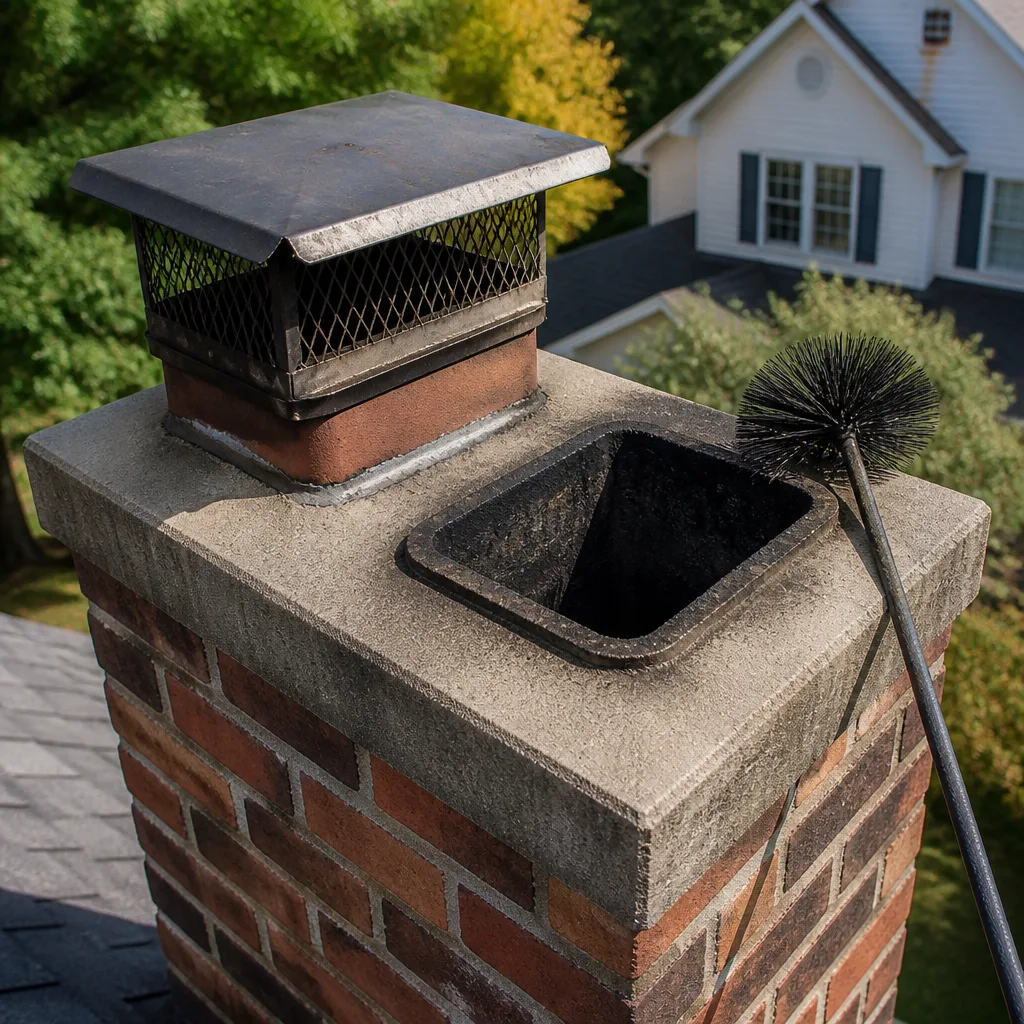
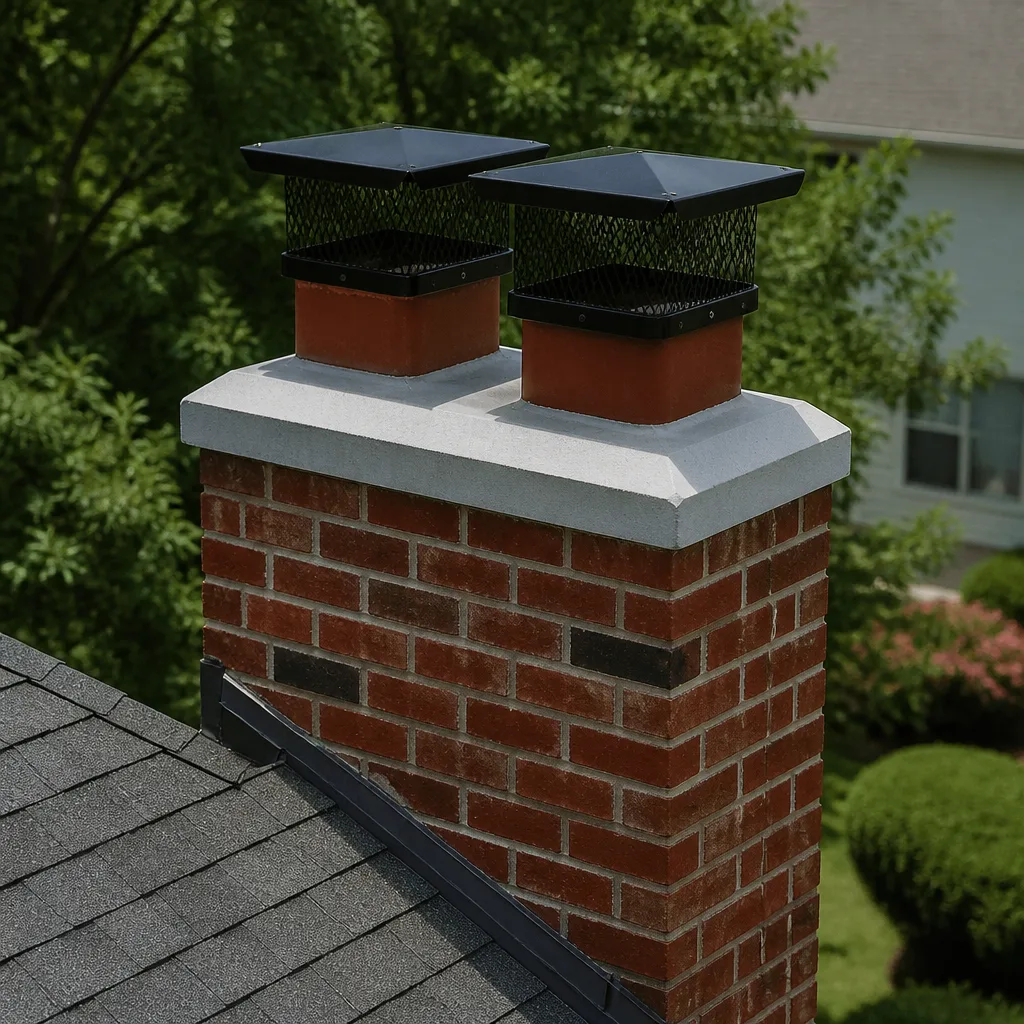
- Cap corrosion. A chimney cap takes the full brunt of the weather. Rusted, pitted, or loose caps are common here because the cap is constantly wet and drying. A failing cap lets water straight down the flue, so it’s one of the first things we look at.
- Mortar erosion. The mortar joints between bricks weather faster when they stay damp. Look for crumbling, sandy, or recessed joints on the exterior stack, especially on the side that faces the prevailing weather.
- Flashing failure. The metal where the chimney meets the roof is where water gets in and does the most hidden damage. Lifted, cracked, or tar-patched flashing shows up often on older Wilmington roofs, and it’s easy to miss from the ground.
- Crown cracks. The concrete crown at the top of the chimney sheds water away from the flue. A cracked or spalling crown is a slow leak directly above the liner.
- Spalling brick. Brick faces that flake or pop off are a sign of saturation and freeze-thaw stress. Once brick spalls, the damage is structural, not cosmetic.
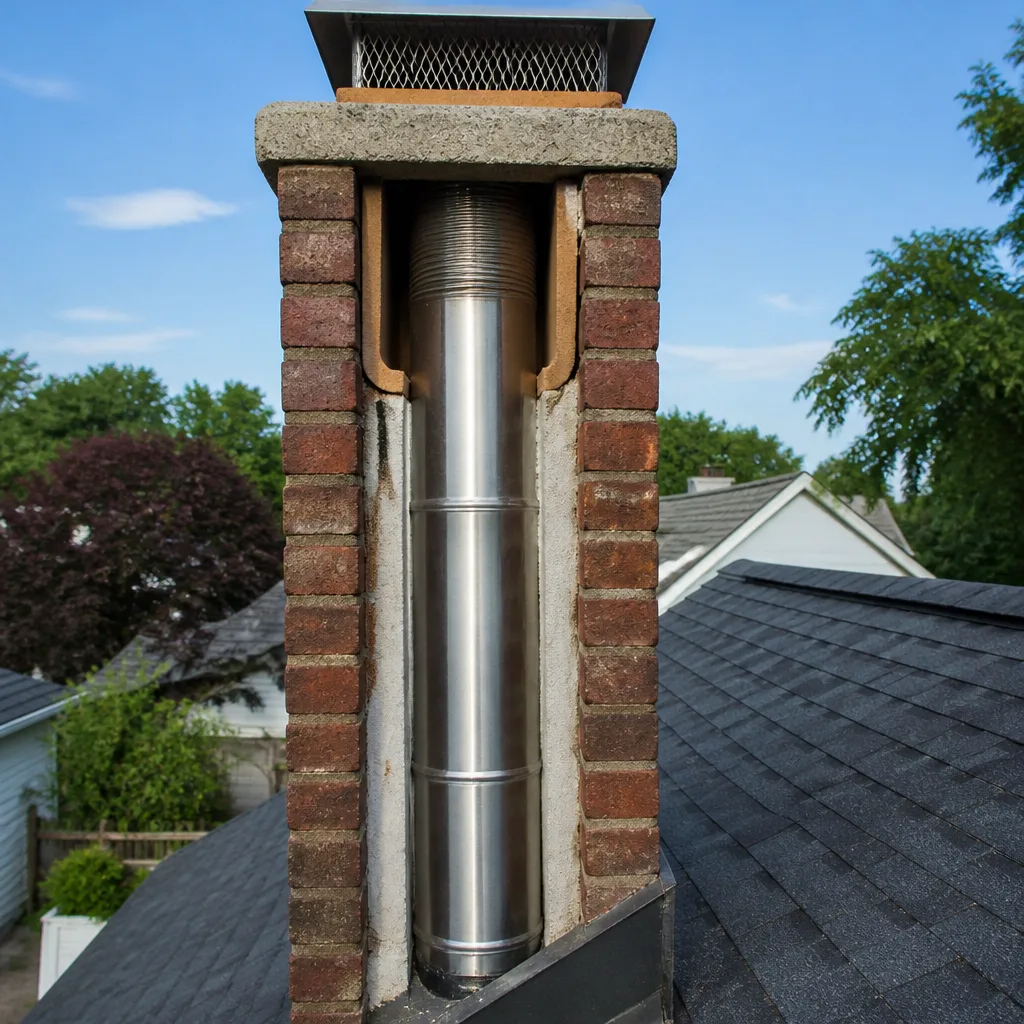
None of this means a Wilmington chimney is doomed. It means the exterior gets as much attention as the flue interior, because in this climate the water damage is the part that catches homeowners off guard. When we find a liner that’s deteriorating but still serviceable, a resurfacing system like HeatShield can extend its life without a full replacement, which is often the smarter repair path than tearing out a liner the chimney doesn’t yet need to lose.
What to Do Between Professional Visits
Between annual appointments, a homeowner can catch most developing problems with a short visual check once a month. None of these require climbing on the roof or working inside the flue, and none of them replace a professional inspection. They’re early-warning signals that tell you when to call rather than wait for the annual visit.
Here’s a monthly routine that takes about ten minutes.
- Look at the exterior stack from the ground. Check for new cracks, crumbling mortar, spalling brick, or anything leaning or out of line. Binoculars help on a two-story chimney.
- Check the cap and the spark screen. Look for rust, holes, a loose cap, or a screen that’s torn or clogged. Anything loose or rusted through is a call.
- Inspect the flashing line where the chimney meets the roof. From the ground or a window, look for lifted metal, gaps, or shiny tar patches that suggest a repair has already been attempted.
- Open the damper and look up the flue with a flashlight. You’re looking for visible cracks in the liner, heavy soot, or anything blocking the flue. If you see damage, stop there and call us rather than trying to reach into it.
- Check the firebox for cracks in the brick or mortar. A firebox crack can let heat reach the structure. That’s a professional repair, not a homeowner fix.
- Watch for water in the firebox after heavy rain. Moisture inside the firebox almost always points to a cap, crown, or flashing problem above it.
- Test your carbon monoxide alarms. Every home with any fuel-burning appliance should have working CO alarms. Test them monthly and replace the batteries on schedule.
We want to be clear about the limits, because a chimney is one of the genuinely dangerous parts of a home to work on. Never reach into a flue, never try to sweep a chimney yourself with a brush on a pole, and never climb onto the roof to inspect the stack unless you’re trained and equipped for the height. A cracked liner or an obstruction you can’t see can let carbon monoxide into the living space, and the only safe way to confirm the flue is clear is with a professional inspection. The monthly routine is a spotting exercise, not a repair one.
Tracking Usage So Your Sweep Recommends the Right Service
A one-size-fits-all “sweep it every year” instruction is convenient for the person giving it and less useful for your chimney. The most accurate recommendation comes from a sweep who knows how much you actually burn, what you burn, and how the chimney has behaved over time. A simple usage log gives them that, and it takes less effort than most people expect.
Here’s a log that covers what matters.
- Log each fire by date and rough duration. “November 14, three hours” is enough. The count of fires and hours tells your sweep whether you’re a light or heavy user.
- Note the wood type and how long it was seasoned. Seasoned hardwood burns hotter and cleaner than green wood, and creosote buildup tracks closely with what you feed the fire. If you don’t know your wood, that’s useful too.
- Record the season’s cords burned. Creosote accumulation is often measured in cords for a reason. If you burn two or three cords a year, your cadence is different from a homeowner who burns half a cord.
- Jot down anything odd. Smoke rolling into the room, a smell when the fireplace is off, a draft that pulls differently than before. Those notes are gold during an inspection because they point to the problem before anyone opens the flue.
- Keep the log with your service records. Every inspection report, every sweep, every repair, with its date. When a sweep can see the history, they can tell you whether the flue is stable or changing, and that changes the recommendation.
The alternative is guessing, and guessing tends to push homeowners toward either over-servicing a lightly used gas insert or under-servicing a wood-burning fireplace that really does need an annual sweep. The log is how a sweep gives you a schedule built for your chimney instead of a generic one.
A Month-by-Month Calendar for Wilmington
Here’s the framework in calendar form. It maps professional visits, homeowner checks, and the seasonal risks that build through the year in southeastern North Carolina. You don’t have to follow it to the letter, but it shows why late summer is the anchor and what to do the rest of the year.
January through March (peak burning season)
This is when the fire runs most. Keep the monthly homeowner check going, log your fires, and watch for smoke or draft changes. If anything feels off, call now rather than waiting for the annual visit. Use only well-seasoned wood to keep creosote from building faster than necessary.
April (end of season)
When you stop burning for the year, clean out the firebox and ash. This is a good time to look one more time at the cap and the flashing before the wet months. Do not assume the chimney is fine because the winter passed without incident; a lot of problems are opening up right now.
May through June (the wet stretch)
Humidity rises and the chimney starts holding moisture. This is when mortar and crowns begin to show stress, and when water finds any failed flashing. Keep up the monthly exterior check and look for water in the firebox after storms.
July through August (book the annual service)
This is the ideal window for the chimney sweep and inspection. The damage from the off-season is visible, there’s time to repair before the first fire, and you avoid the fall rush. If a liner is deteriorating but still sound, this is when we’d look at a HeatShield resurfacing rather than a full liner replacement, or a DuraFlex flexible liner if a retrofit is the right call.
September (pre-season prep)
Before the first fire, confirm your inspection is done, test the smoke and CO alarms, and make sure the damper operates smoothly. If the inspection flagged a repair, get it done now, not in December.
October through December (firing season)
Light the first fire of the season with a professional inspection already behind you. Keep logging, keep checking, and if a repair was recommended, this is a good time to schedule it before deep winter makes working on the exterior harder.
Inspection vs. Sweep: Knowing Which One You’re Booking
A sweep and an inspection are related but different services, and knowing which you need prevents booking the wrong thing. A sweep cleans the flue. An inspection assesses the whole system, from the cap and crown on the roof to the firebox and damper below. As a specialist that handles chimney repair, sweeping, and inspection together, we see the gap in the market: homeowners who book a sweep expecting an inspection, and homeowners who pay for an inspection when a cleaning is all that’s needed.
The practical rule is this: if it’s been a year since the last service, or a cord of wood has burned, or you’ve just moved into a home with a chimney you’ve never used, book the inspection with the sweep. The cleaning tells you the flue is clean. The inspection tells you whether the flue and the structure around it are safe to use. Those are different answers, and one doesn’t guarantee the other.
In Wilmington, that distinction matters because the same climate that loads the flue with creosote also works on the exterior. A chimney can be clean inside and still have a cracked crown leaking water into the masonry. The industry-standard materials we work with, including Gelco and Olympia Chimney components for venting and caps, are chosen so the repair matches the part of the system that actually needs attention. The right part for your flue, not the closest substitute.
If you’ve had the flue swept recently but never had the exterior and the full system inspected, the annual visit should probably be an inspection. That’s how you find the problems that don’t announce themselves until they’ve done real damage.
Common Mistakes to Avoid
- Only servicing the chimney when it’s about to be used. A fall-only schedule misses the summer moisture damage that builds while the fireplace sits idle. Book in late summer and catch it before it’s a problem, not after.
- Assuming a gas insert needs no service. A gas flue produces no creosote, but it still needs an annual inspection for condensation, corrosion, and venting issues. Skipping it because “there’s nothing to sweep” is one of the most common misjudgments we see in Wilmington.
- Treating the cap and crown as cosmetic. These are the parts that keep water out of the flue. A rusted cap or a cracked crown lets rain go straight down the chimney, and a repair later is far more involved than a fix now.
- Never tracking how much wood actually burns. Without a log, you can’t know whether you’re a light or heavy user, and your sweep can only guess at your cadence. Track your fires and cords, and the recommendation becomes specific.
- Putting off the inspection because the last fire “seemed fine.” The problems that matter are usually invisible from the living room. A flue with a cracked liner or a partial obstruction can behave normally right up until it doesn’t.
- Letting a generalist handle the annual service. A handyman who does chimneys on the side won’t have the chimney-specific tools, or the product knowledge for a HeatShield resurfacing, a DuraFlex liner, or a Copperfield cap and damper. Chimney work is all we do, and that matters when the finding is detailed.
- Waiting for a water leak before addressing exterior damage. In this climate, mortar and flashing fail gradually. By the time water shows up inside, the damage has usually been building for a while.
See the difference
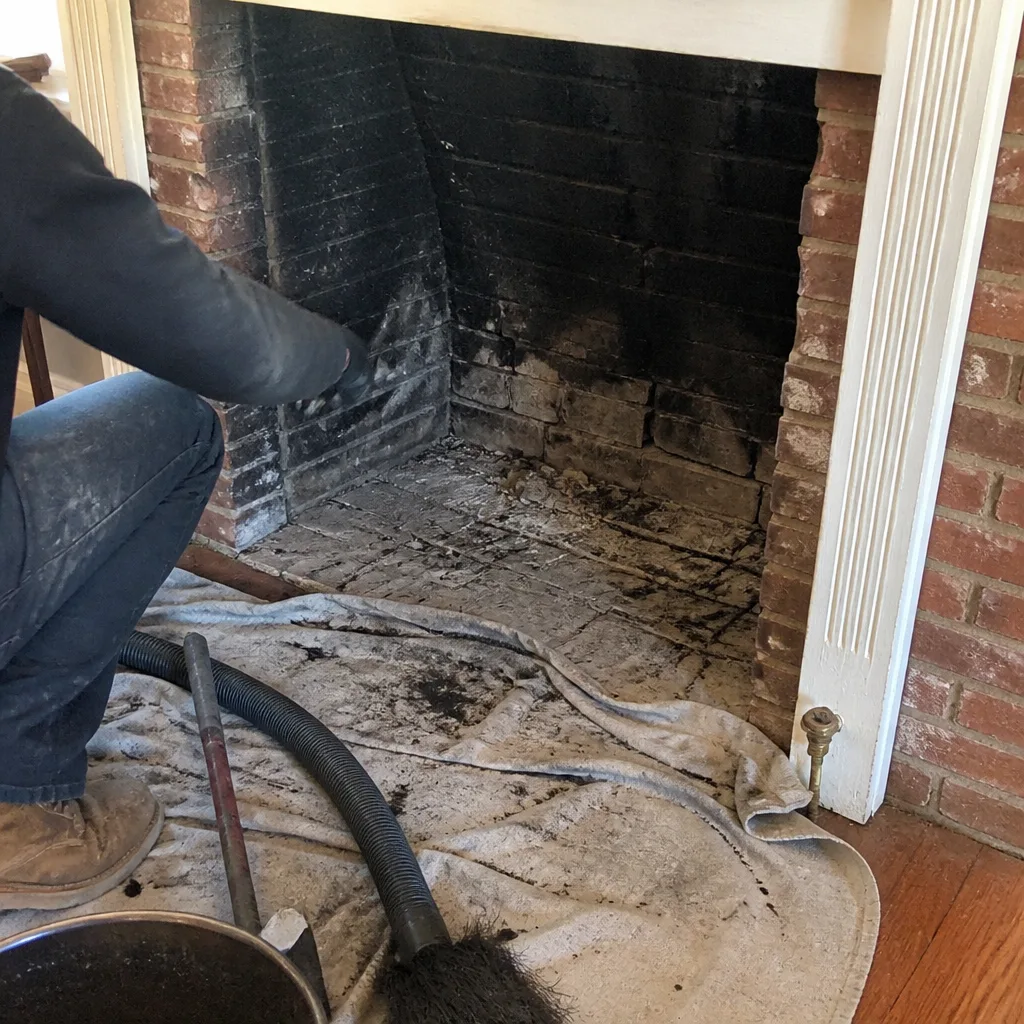 Before
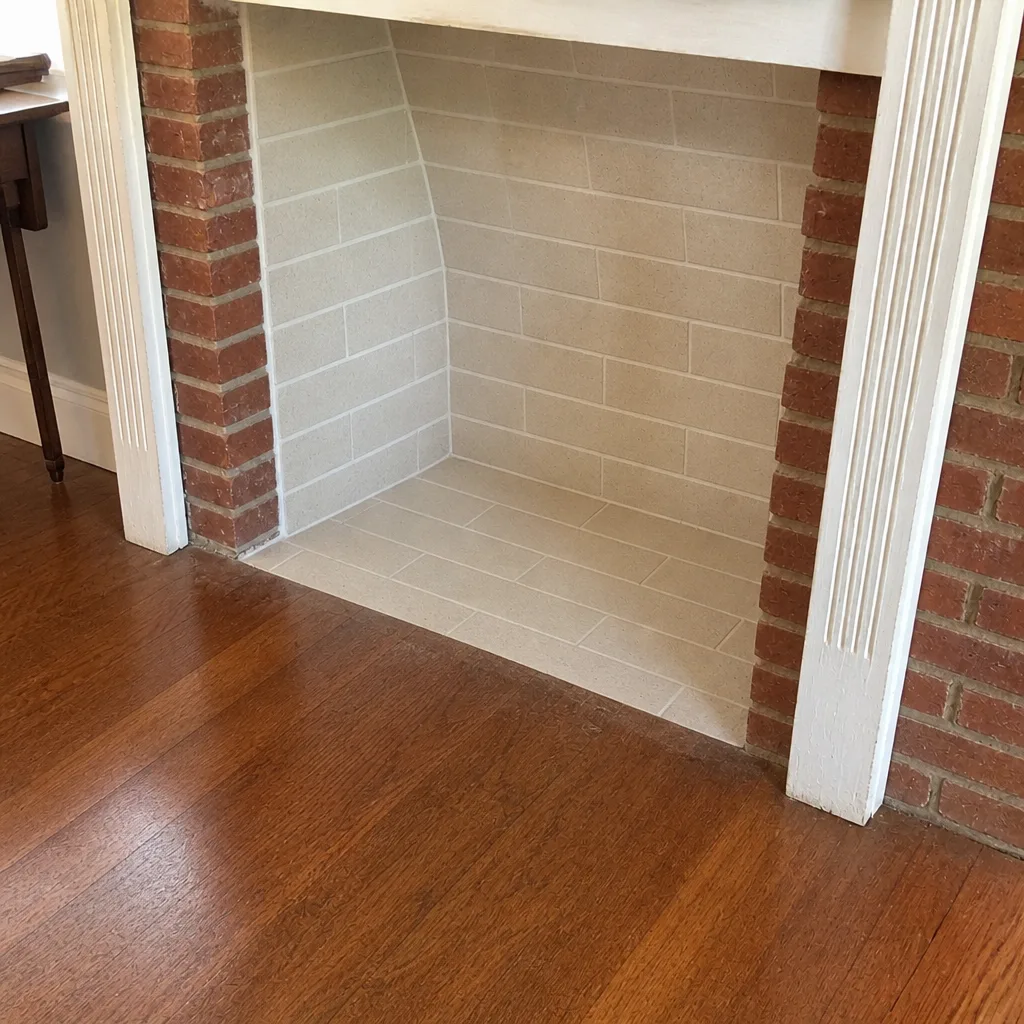 After
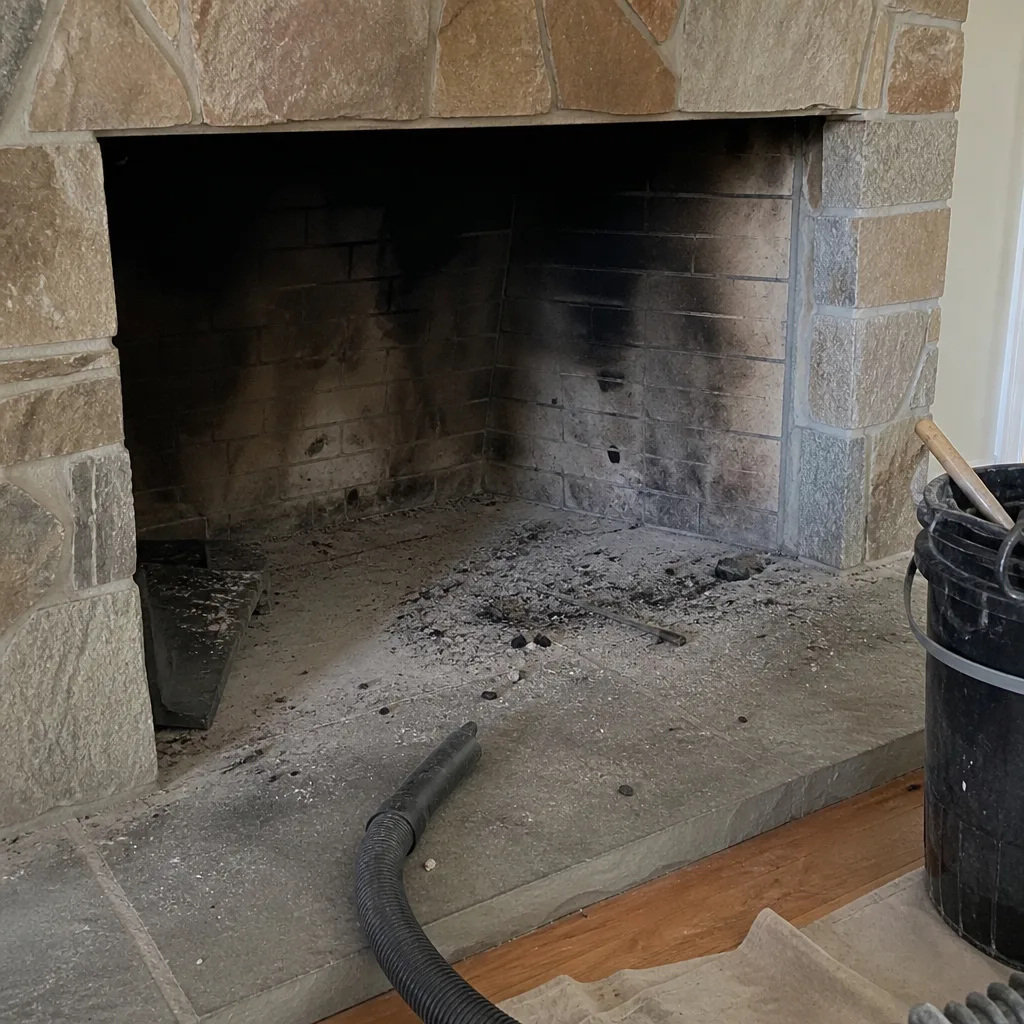 Before
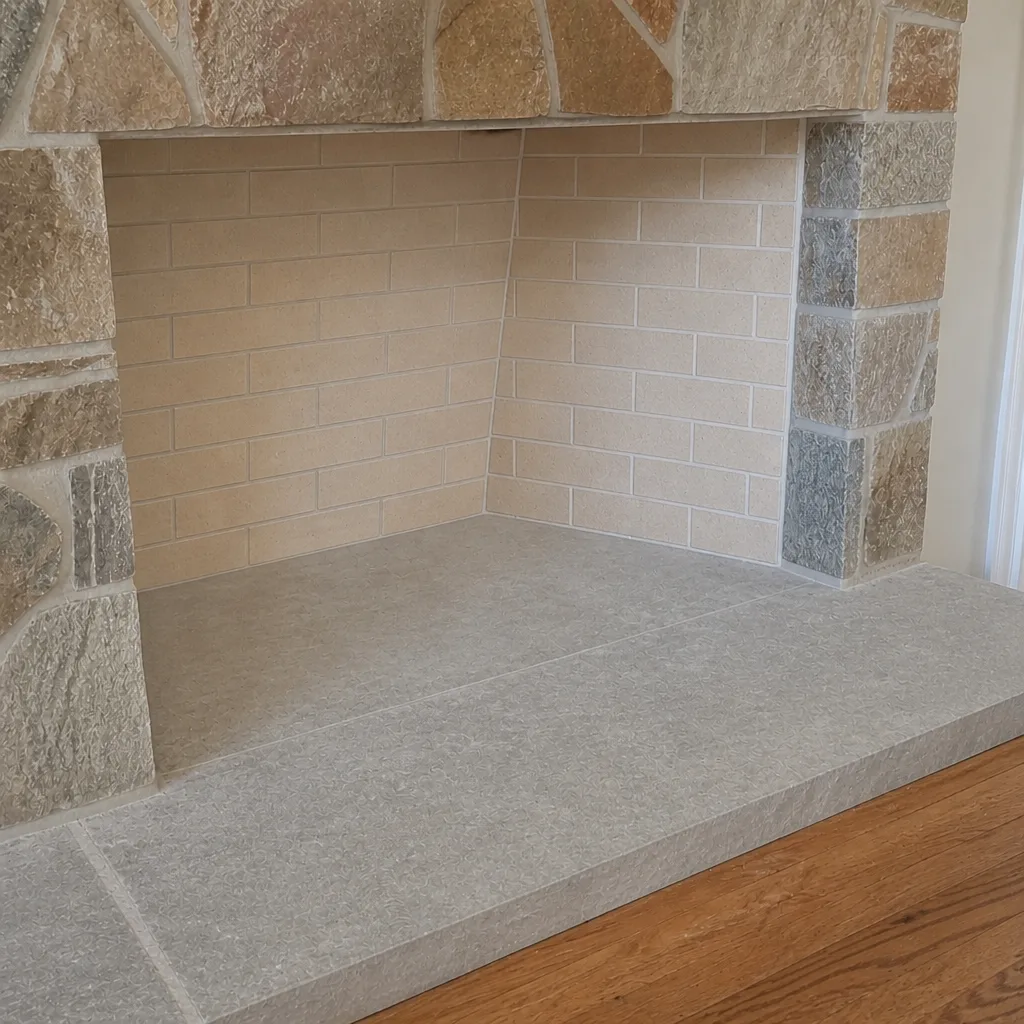 After
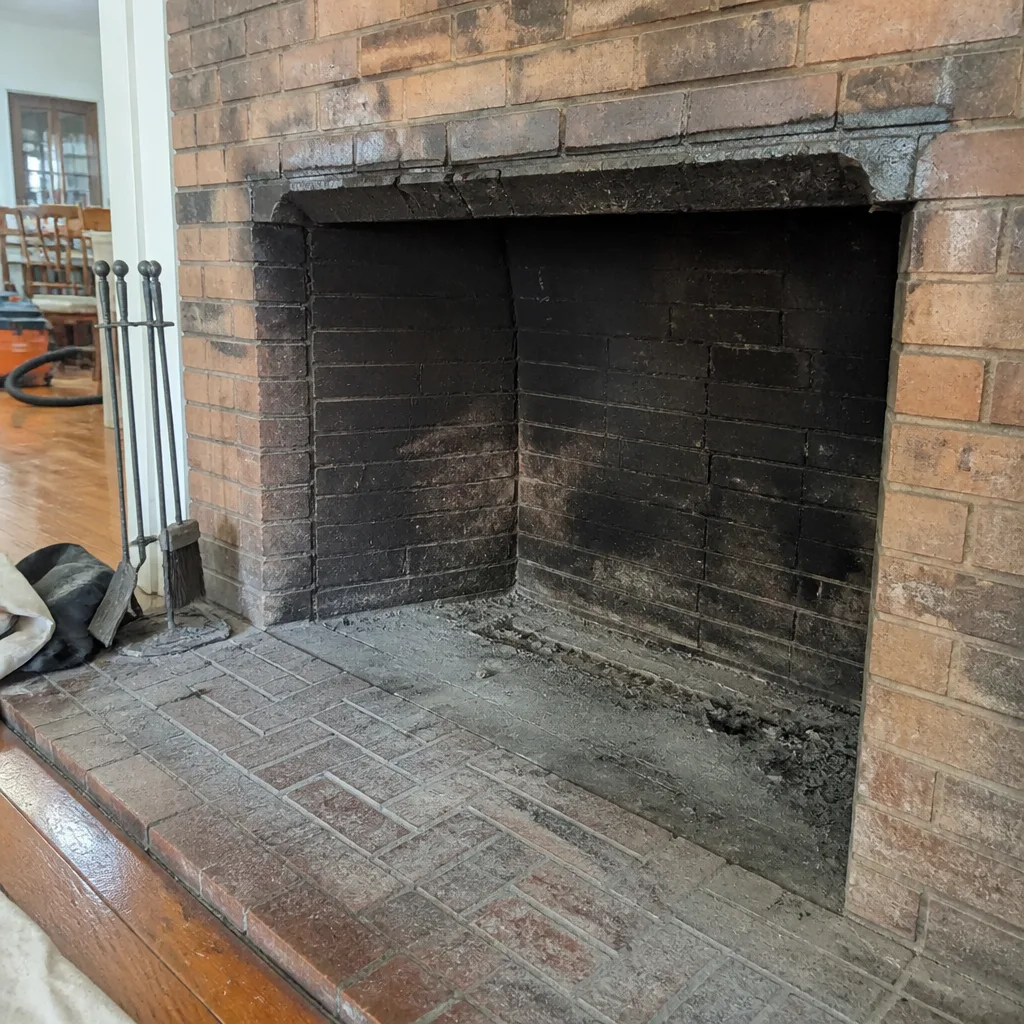 Before
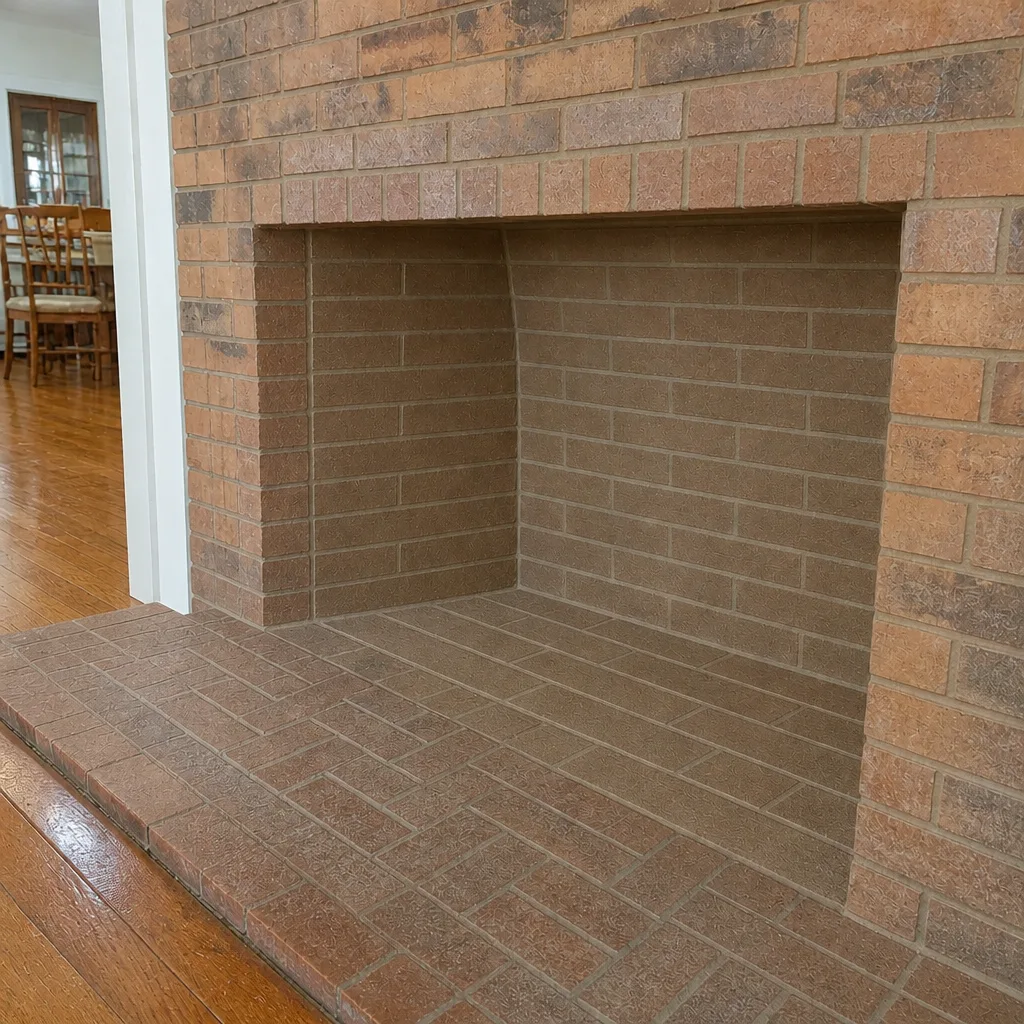 After
When to Call a Professional
Some situations need a call now rather than at the next scheduled visit. Call us if you see water in the firebox after rain, if the firebox brick or mortar is cracked, if you notice smoke rolling back into the room, if the damper sticks or won’t close, or if you smell a strong odor coming from the fireplace when it’s not in use. Call if the cap is loose or rusted through, if you see a visible crack in the liner, or if you’ve never had the chimney inspected since moving into a home here in Wilmington. Also call if it has been more than a year since the last sweep and you burn wood regularly. Wilmington Chimney Cleaning offers free estimates in Wilmington. Call (855) 947-5166. We answer 24/7. Fast dispatch from 7am to 7pm, Sunday through Friday.
Frequently Asked Questions
A wood-burning fireplace should be swept about once a year or every cord of wood burned, while a gas fireplace needs an annual inspection rather than a sweep, and a pellet stove needs its flue cleaned at least once a season. In Wilmington, we recommend booking the sweep and inspection in late summer so off-season moisture damage is caught before the burning season begins. Call (855) 947-5166 for an exact quote, and estimates are free.
Yes, an annual inspection still matters, because in Wilmington’s humidity the idle months do more damage than the fires. A chimney that sat through a wet spring and summer can develop a rusted cap, spalled mortar, or a cracked crown even with light use. The inspection is what catches those problems before the next fire. Call (855) 947-5166 and we’ll book the right appointment for your chimney.
A sweep cleans the flue of creosote and soot, and an inspection assesses the whole system, from the cap and crown to the firebox and damper. A clean flue can still have a cracked crown or failing flashing that the cleaning doesn’t address, so the annual visit should usually include both. Our team covers sweep, repair, and inspection together so you don’t have to coordinate separate contractors. Call (855) 947-5166 for an estimate.
Yes, a gas flue can deteriorate from moisture and acidic condensation even though it produces no creosote, which is why the annual inspection matters. The venting, the termination, and the cap are where the failure usually shows up, and a rusted termination can let water into the vent. Call (855) 947-5166 if you’ve never had the gas flue inspected, and estimates are free.
Do a short monthly visual check for cracks, crumbling mortar, a rusted or loose cap, flashing failure, spalling brick, and water in the firebox after rain. Also test your carbon monoxide alarms and look up the flue with a flashlight for visible damage. The monthly check is a spotting exercise, not a repair one: never reach into the flue or climb onto the roof yourself. Call (855) 947-5166 when something looks off.
Not always, because a deteriorating but still sound liner can often be resurfaced with HeatShield, a system designed to extend the life of a flue without full replacement. When a full replacement is the right call, we source DuraFlex flexible liner systems, which are built for high-temperature chimney environments. The point is to recommend only what the condition actually requires, and we show you what we see. Call (855) 947-5166 for an estimate.
The Bottom Line
The right chimney schedule isn’t a single yearly errand. It’s a late-summer sweep and inspection as the anchor, fuel-specific cadence in between, and a monthly homeowner check that runs all year because Wilmington’s climate keeps working on the chimney whether you’re burning or not. Track your usage, watch the cap, crown, and flashing, and don’t wait for a water leak to act. Our technicians have up to 13 years of experience, and we work with the industry-standard materials, including HeatShield and DuraFlex, that handle a repair properly. Chimney work is all we do, and our team at Wilmington Chimney Cleaning handles sweep, repair, and inspection together so you’re not coordinating separate contractors. If you need service in and around Wilmington, call (855) 947-5166 for a free estimate. The written estimate sets the price.
Call (855) 947-5166 for a free estimate on your sweep, repair, or inspection. We answer 24/7. Fast dispatch from 7am to 7pm, Sunday through Friday. One call covers sweep, repair, and inspection, and every recommendation comes with a clear look at what we found.
Written by the team at Wilmington Chimney Cleaning.