
Last updated November 16, 2026
 Sweep & inspection
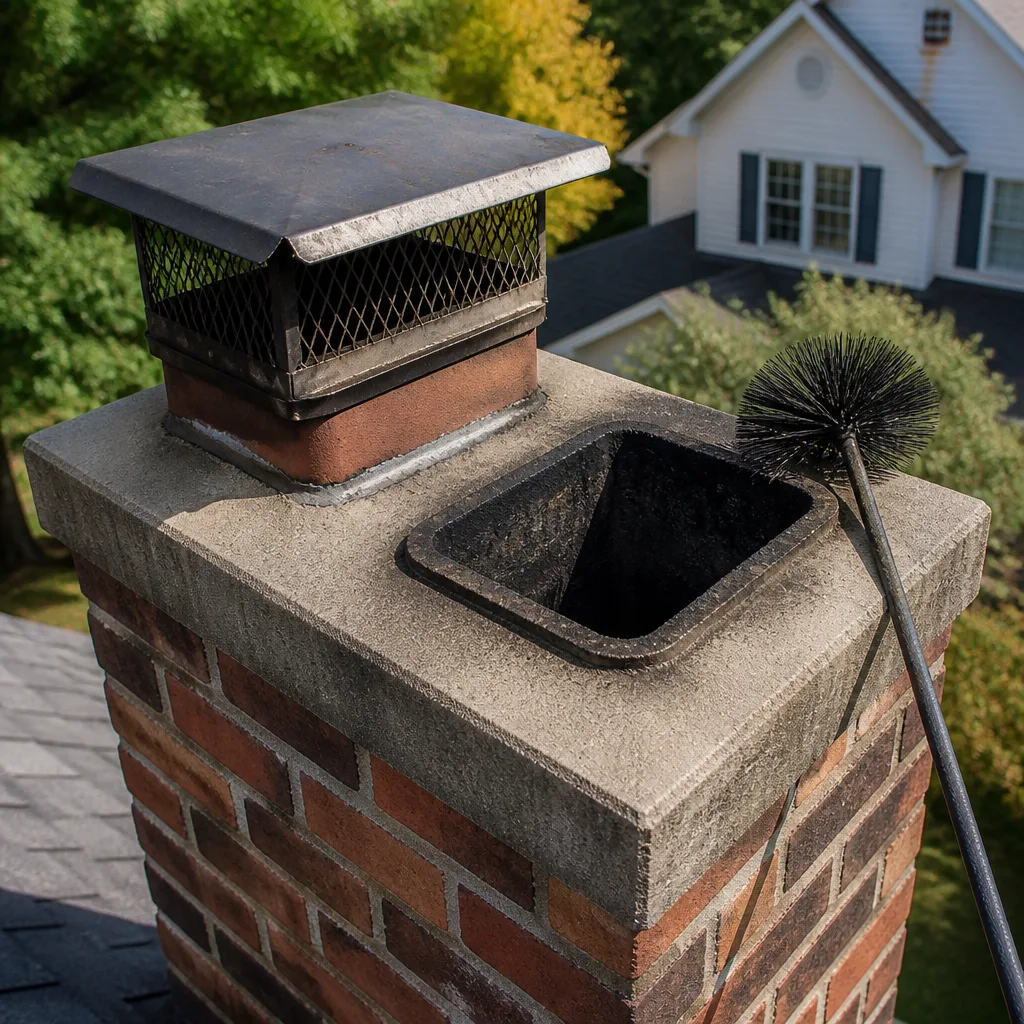
 Caps & crowns
 Flue relining
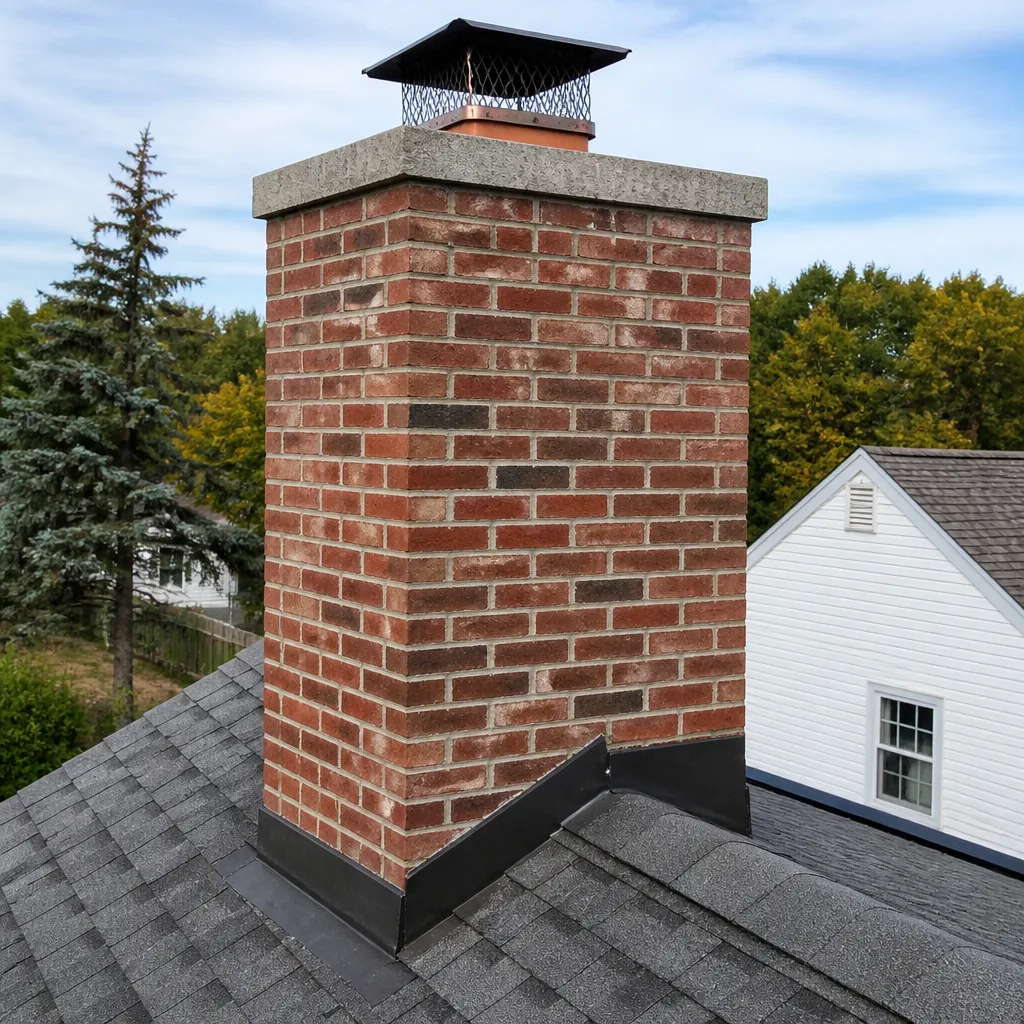 Masonry repair
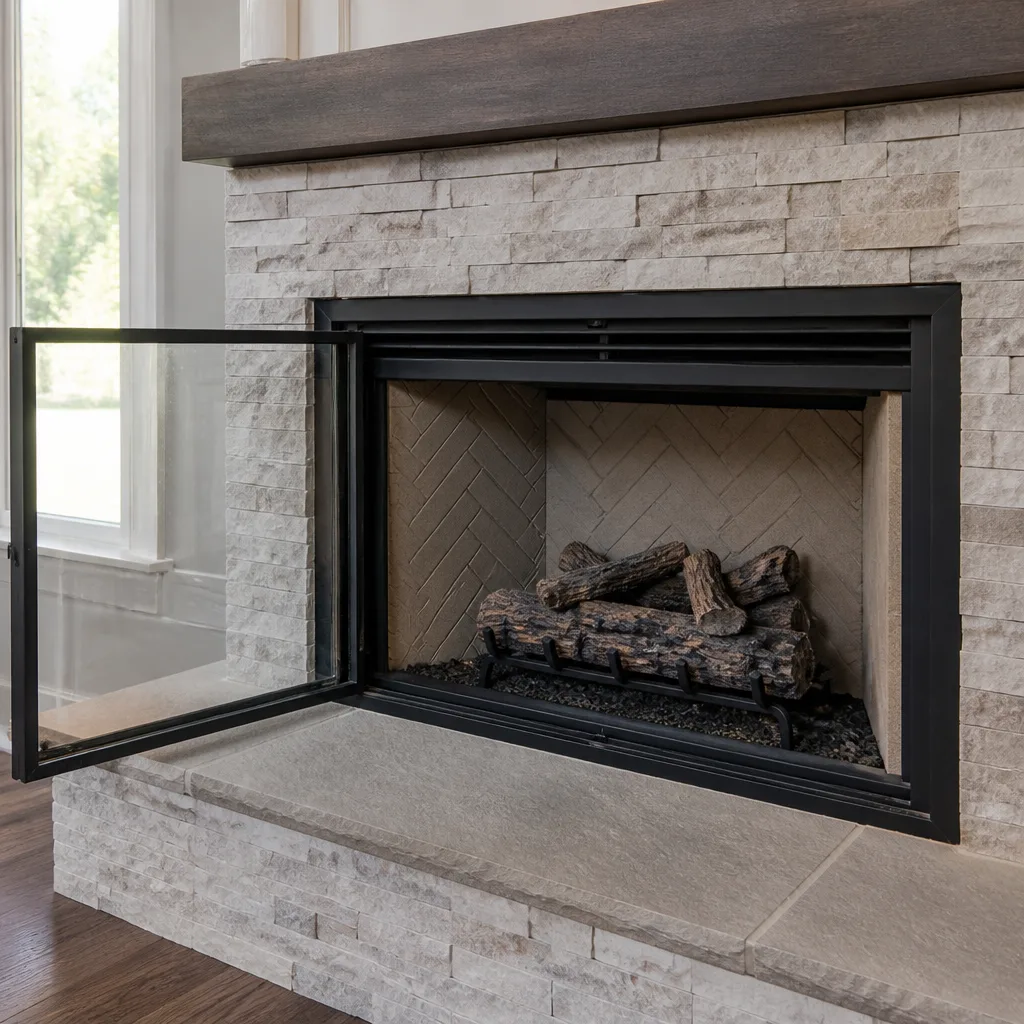 Gas fireplace service
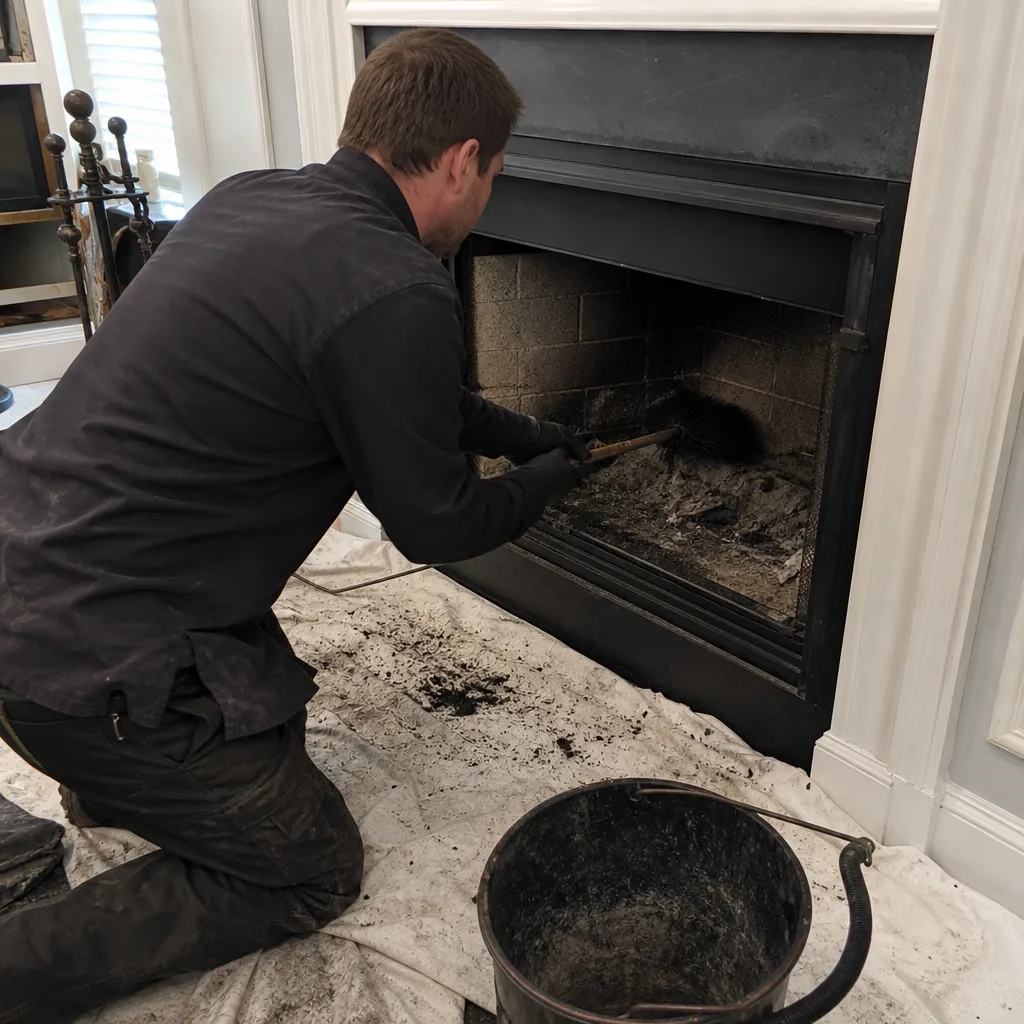
Level 1 sweep and inspection to the NFPA 211 annual standard - flue, crown, cap, and flashing checked and photographed
Chimney sweep logs do not sweep chimneys. They loosen some creosote - which then falls where a brush and vacuum still have to collect it.
Choosing the Right Chimney Cleaning Brand: A Buyer’s Guide for Wilmington
If a contractor can’t tell you the brand of liner they’re installing or the name of the waterproofing product they’re applying, that silence tells you something. Professionals who use industry-recognized systems are usually proud to name them, because the name is part of the value they’re bringing to your flue. The brands behind chimney materials are not marketing decoration. They encode real decisions about temperature ratings, flexibility, adhesion, and how long a repair will last in Wilmington’s humid, storm-prone climate. This guide walks through what those product names mean, how to read them, and the questions that separate a specialist from someone improvising with whatever is on the shelf.
Quick Answer
The right chimney cleaning brand is the one whose products are industry-recognized, rated for your flue’s temperature and fuel type, and backed by a manufacturer warranty the contractor can produce in writing. In Wilmington, ask for specific product names for liners, caps, and crown sealant, and treat a blank answer as a red flag. The brand matters less than the match between the product, your chimney’s condition, and the professional installing it.
Styles & brands we work with
- Sweep & inspection
- Caps & crowns
- Flue relining
- Masonry repair
- Gas fireplace service
Table of Contents
- Why Chimney Product Brands Matter in Wilmington
- Industry-Recognized Brands vs. Generic Equivalents
- What to Look For in a Liner System
- Caps, Dampers, and Crown Sealants: The Details That Protect a Flue
- How to Ask a Contractor About Materials
- The Warranty Angle: What Branded Systems Often Carry
- The Math on Spending More Upfront to Service Less Often
- Putting It Together: A Brand-Literate Buyer’s Checklist
Why Chimney Product Brands Matter in Wilmington
Wilmington sits in a humid subtropical climate with a real hurricane season and long, muggy summers. That combination is hard on masonry and metal alike. Heat and humidity push moisture into brick and mortar, and the swing between a hot, wet summer and a cooler, damper winter causes expansion and contraction that opens hairline cracks. A chimney that stays wet on the inside corrodes a metal liner and softens a clay one. That’s why the products selected for a Wilmington chimney need to hold up to moisture cycles, not just to fire.
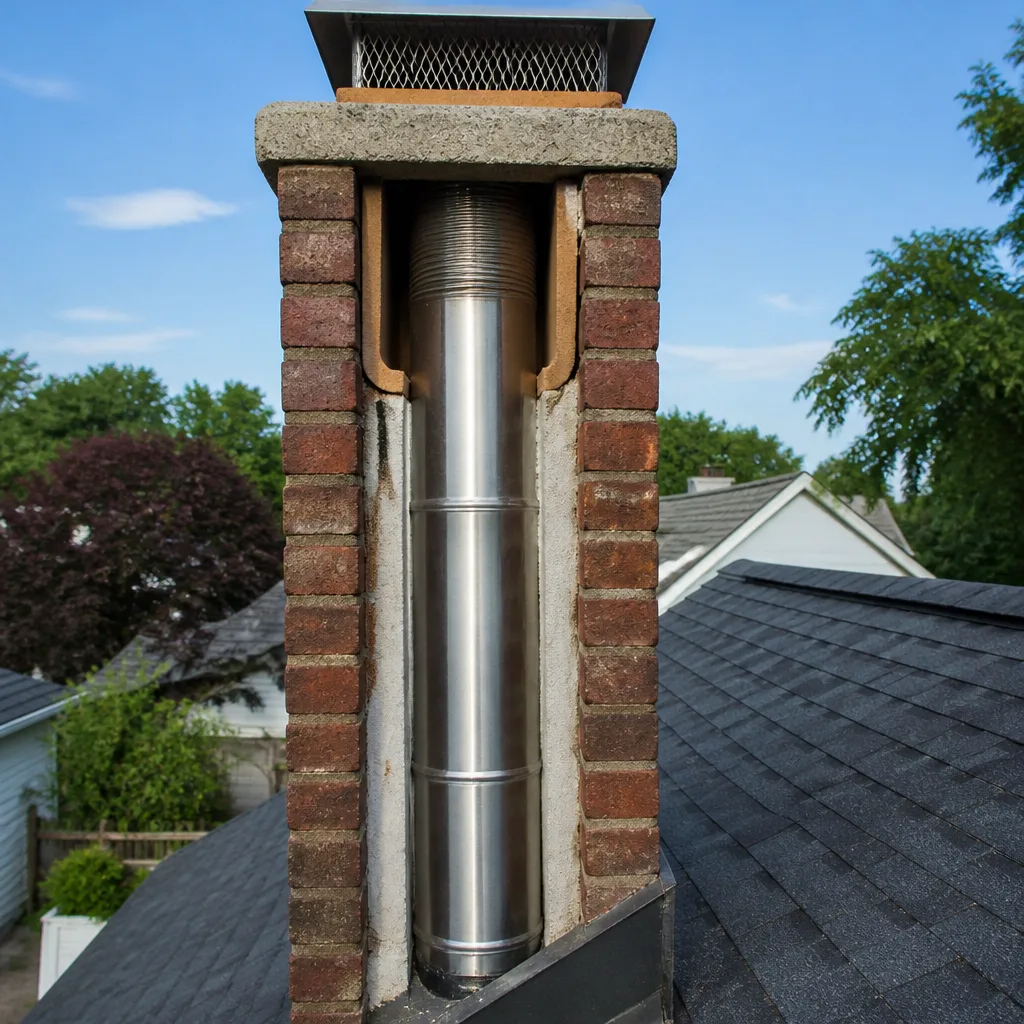
Branded systems are designed with those variables in mind. HeatShield, for example, is a flue resurfacing system engineered to seal and smooth a deteriorating clay liner from the inside. DuraFlex flexible liners are built for high-temperature service and are commonly specified for retrofits where a rigid liner won’t fit. Those product families exist because chimney professionals have spent decades collecting real failure data and engineering around it. When a contractor reaches for a known brand, they’re reaching for a known failure point that’s already been addressed.
Wilmington’s housing stock is another factor. The city has a mix of older homes with original brick chimneys and newer construction with modern inserts. A product engineered to bond to aged clay is not the same product engineered for a stainless retrofitted flue. Knowing which brand family covers which use case is part of what a chimney repair specialist is paid to know.
Industry-Recognized Brands vs. Generic Equivalents
The obvious gap between a professional-grade chimney product and a generic substitute is lifespan. The subtler gap is documentation. An industry-recognized brand will have published installation specs, temperature ratings, and warranty terms. A generic equivalent often ships with a spec sheet so vague that a contractor can’t tell you what it’s rated for. That matters because the National Fire Protection Association’s chimney standard (NFPA 211) lays out requirements a liner has to meet, and a product with no clear rating may not meet them.
Here’s a practical comparison of what you’re actually paying for:
- Temperature ratings. Branded liners carry tested ratings for solid-fuel and gas appliances. Generic liners may carry a number a contractor can’t trace to a test standard.
- Material consistency. Professional stainless alloys have a known composition. Hardware-store liners vary batch to batch.
- Adhesion and curing. HeatShield and similar resurfacing systems come with tested cure parameters. Generic mortar mixes don’t.
- Warranty. Branded products usually carry a manufacturer warranty. Generic products usually carry nothing.
- Support and training. Reputable brands train the installers who use their systems, and the manufacturer’s technical line is a real resource when a job gets complicated.
That last point is worth emphasizing. If a liner needs a custom angle or a crown needs a specific sealant for a Wilmington chimney that sees heavy rain, the manufacturer’s technical support is what lets a professional get it right rather than guess.
What to Look For in a Liner System
A liner is the safest critical component in the whole chimney, with the possible exception of the crown. It’s what carries flue gases out of the house and what prevents heat from reaching framing lumber. When a liner fails, you’re looking at a repair that starts in the hundreds of dollars and climbs into the thousands depending on how the replacement has to be done. Getting the right product the first time is cheaper than redoing it.
In our experience with Wilmington flues, the liner conversation usually falls into three categories:
- Clay liner in decent condition. If the clay is intact but has small cracks and pits, a resurfacing system like HeatShield may extend its life without a full tear-out. That’s the repair path a specialist should be considering before recommending replacement.
- Clay liner that’s failed or has shifted. When tiles are severely spalled or have displaced, a flexible liner like DuraFlex is the reliable option. It insulates the flue, resists temperature, and fits the existing pathway.
- No liner at all, or the wrong liner for the appliance. Older Wilmington homes sometimes have an unlined flue originally designed for wood but now serving a gas appliance. A gas appliance needs a liner rated for its exhaust temperature and corrosiveness, and that’s not a decision to make with a generic product.
Ask what brand and what rating the liner carries. Ask why that specific product was chosen for your chimney’s condition. A professional answers both without hesitation.
Caps, Dampers, and Crown Sealants: The Details That Protect a Flue
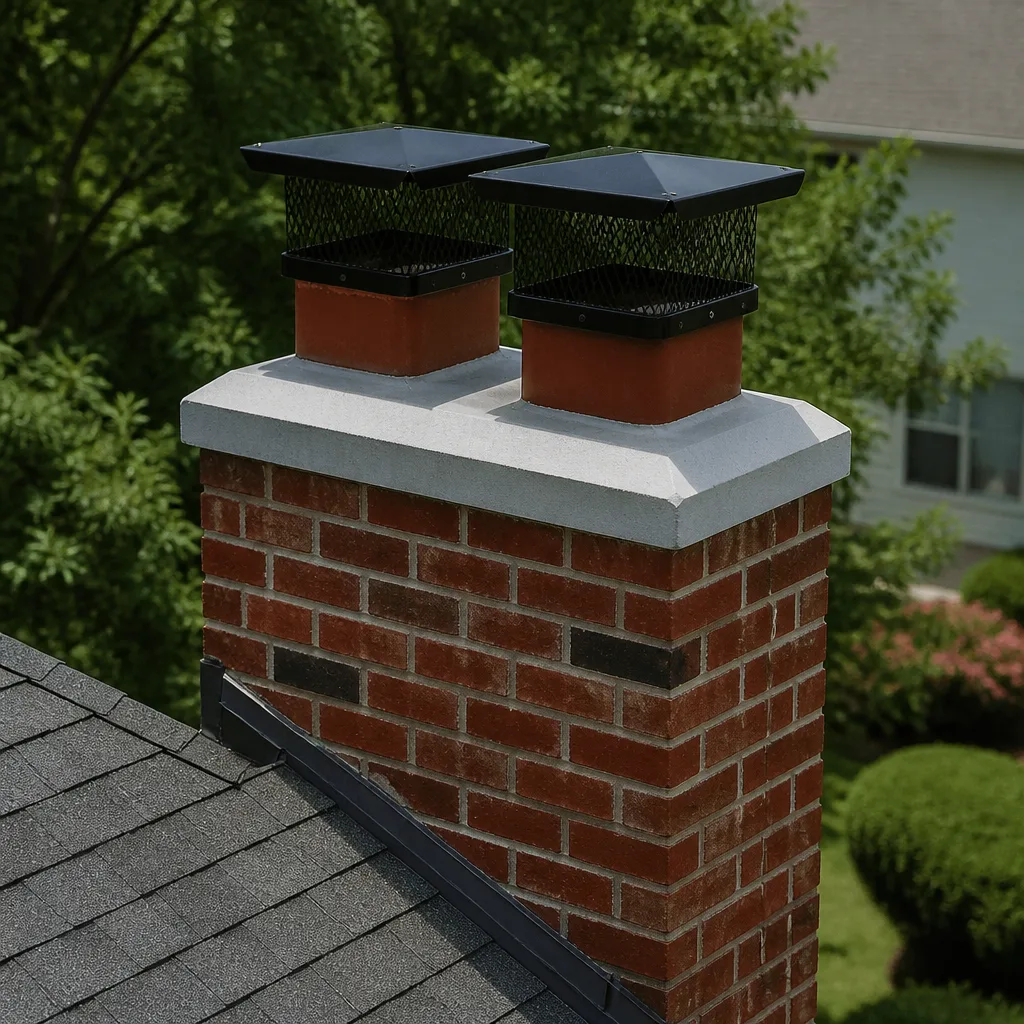
The small parts do the everyday work. A chimney cap keeps rain, birds, and debris out of the flue, and in Wilmington’s storm season that’s a real job. A top-sealing damper closes the flue when the fireplace isn’t in use, which keeps heated air from escaping the house in winter and humid air from entering in summer. The crown is the concrete cap at the top of the masonry chimney, and it’s the piece most exposed to weather.
Products from Famco and Copperfield are used across these components. These are the brands a chimney specialist reaches for when specifying a cap, a damper, or venting parts, because the components are built to work as a system with the flue they sit on. A hardware-store cap sized “close enough” is not a system; it’s a stopgap.
Crown sealants deserve their own paragraph. A cracked crown lets water wick down into the masonry, where it freezes, expands, and spalls the brick. In a Wilmington summer, that same crack turns into a channel for humid air. A proper crown sealant flexes with the masonry rather than cracking away from it. Ask what product is being applied. If the answer is “sealant we use,” ask for the brand. A professional will have one.
How to Ask a Contractor About Materials
The questions below are designed to draw out whether you’re talking to a materials-literate chimney specialist or someone improvising. Write them down before you call, and notice not just the answers but how easily they come.
- “What liner brand do you use, and what’s its temperature rating?” A specialist names the brand and the rating. A generalist says “stainless.”
- “If my clay liner just needs resurfacing, do you offer that, or do you push for replacement?” HeatShield-style resurfacing is the honest answer when the liner is only pitted and cracked. A contractor who only offers replacement should say so.
- “What brand of crown sealant do you apply, and how does it handle a hot, wet summer?” The specific answer reveals whether they’ve thought about the climate.
- “Can I see the manufacturer’s written warranty before you install?” A branded system has one. A generic product usually doesn’t.
- “What’s the part number or model on the cap you’d spec for my flue?” If they’re using Famco or Copperfield caps, they’ll know the model. If they’re using whatever fits, they won’t.
- “Who trained you on this product?” Reputable manufacturers train installers. That training is part of the product’s value.
- “What would make you pick a different product for my chimney?” Good specialists have a decision tree. They’ll tell you about it.
None of these questions require a homeowner to become a chimney expert. They just require listening for whether the answers are specific or vague.
The Warranty Angle: What Branded Systems Often Carry
Manufacturer warranties on chimney systems are not identical, and they vary by product line. What matters for a buyer is that a branded system usually comes with a documented warranty in writing, and a generic material usually doesn’t. That gap is the real value of the brand name. If the liner fails in five years because of a manufacturing defect, the manufacturer is the party standing behind it, and that only works if you can name the manufacturer.
Here’s what to ask when the warranty subject comes up:
- Is the warranty from the manufacturer or from the installer?
- What does it cover, and what does it exclude?
- What maintenance does the warranty require?
- Does the warranty stay valid if a different company services the chimney later?
- Can I get the written copy before the job starts?
That last one is a test. A contractor using branded systems can produce the paperwork. A contractor using generic materials has nothing to produce, and that’s what you’re really learning.
For larger repairs or replacements, a written estimate should also spell out the specific product being installed. If a quote says “liner” and nothing else, ask for the brand, model, and rating in writing. That isn’t a difficult request. It’s the kind of request a specialist is used to answering.
The Math on Spending More Upfront to Service Less Often
Homeowners often compare chimney work on the first invoice alone. That’s the wrong comparison. The right one is cost-per-year-of-service-life, and the branded product usually wins that comparison even when it loses the first one.
Here’s a simple way to think about it. A branded liner with a longer rated life and a manufacturer warranty may cost more on day one than a generic equivalent. But if it lasts significantly longer and needs less mid-life repair, the annualized cost often goes down. The same logic applies to caps and crown sealants. A cheap cap that rusts through in a few years and lets water in is a small purchase with a large downstream bill; a professional-tier cap that keeps water out for a much longer service life is the better investment. And in Wilmington, where the humidity and hurricane season put every exterior component under real stress, the product with the better moisture and corrosion story tends to last meaningfully longer.
Then there’s the service-interval effect. A properly built, properly sealed flue burns more cleanly, accumulates creosote more slowly, and typically allows more time between sweeps. If you want the sweep-and-inspection schedule to stretch out, the way to get there is with the right materials installed correctly, not with a cheaper liner installed faster. When you schedule a chimney sweep, ask the technician to comment on the condition of the flue at the same time. That comment, over several visits, is how you actually track whether the material is holding up.
Putting It Together: A Brand-Literate Buyer’s Checklist
Before you accept a chimney estimate in Wilmington, walk through this list. None of it requires a technical background, and all of it gets you a better outcome.
- Name the liner brand and rating. If the answer is vague, ask again.
- Ask whether resurfacing is an option. HeatShield-type systems exist specifically so you don’t tear out a liner that could be saved.
- Ask the brand of the cap and damper. Famco and Copperfield are the names to look for.
- Ask for the crown sealant brand. If they can’t name it, they’re probably using a general-purpose caulk.
- Request the manufacturer’s warranty in writing.
- Confirm the estimate names products, not just services. A quote that says “repair” without naming the materials is incomplete.
- Ask what would change their recommendation. A specialist can explain the decision tree.
- Get a second opinion on any large repair. Nothing is wrong with asking another professional to look at the same flue. If the diagnoses line up, you can proceed with confidence.
The businesses worth hiring are the ones whose answers get more specific as you ask better questions, not less. That’s the difference between a specialist and someone whose knowledge runs out at the first follow-up.
Common Mistakes to Avoid
- Accepting “stainless liner” as a brand. Every liner on the market is some kind of stainless. The brand and its rating is what tells you whether the product matches your flue. In Wilmington’s humid months, the wrong alloy can corrode faster than the homeowner expects.
- Letting a generalist handle a chimney. A handyman can’t usually name HeatShield, DuraFlex, or the specific crown sealant they’d use, and that’s the tell. Chimney work is a specialty, and it should be handled by a specialty.
- Approving a full liner replacement without asking about resurfacing. Many deteriorating clay liners can be sealed and extended with a resurfacing system. If replacement is the only option offered, ask why.
- Ignoring the cap and crown because “it’s just the top.” The top is exactly where Wilmington’s rain and humidity get in. A cheap cap or a cracked crown is a slow leak into the framing.
- Accepting a written estimate that doesn’t name the products. A quote that names services but not materials leaves no way to verify what got installed. Ask for brand, model, and rating.
- Skipping the manufacturer warranty check. The warranty is half the value of the brand. If it can’t be produced, the brand isn’t worth paying for.
- Comparing only the first invoice. The cheaper installation with a shorter life is often the more expensive chimney over a decade. Compare annualized cost, not initial cost.
See the difference
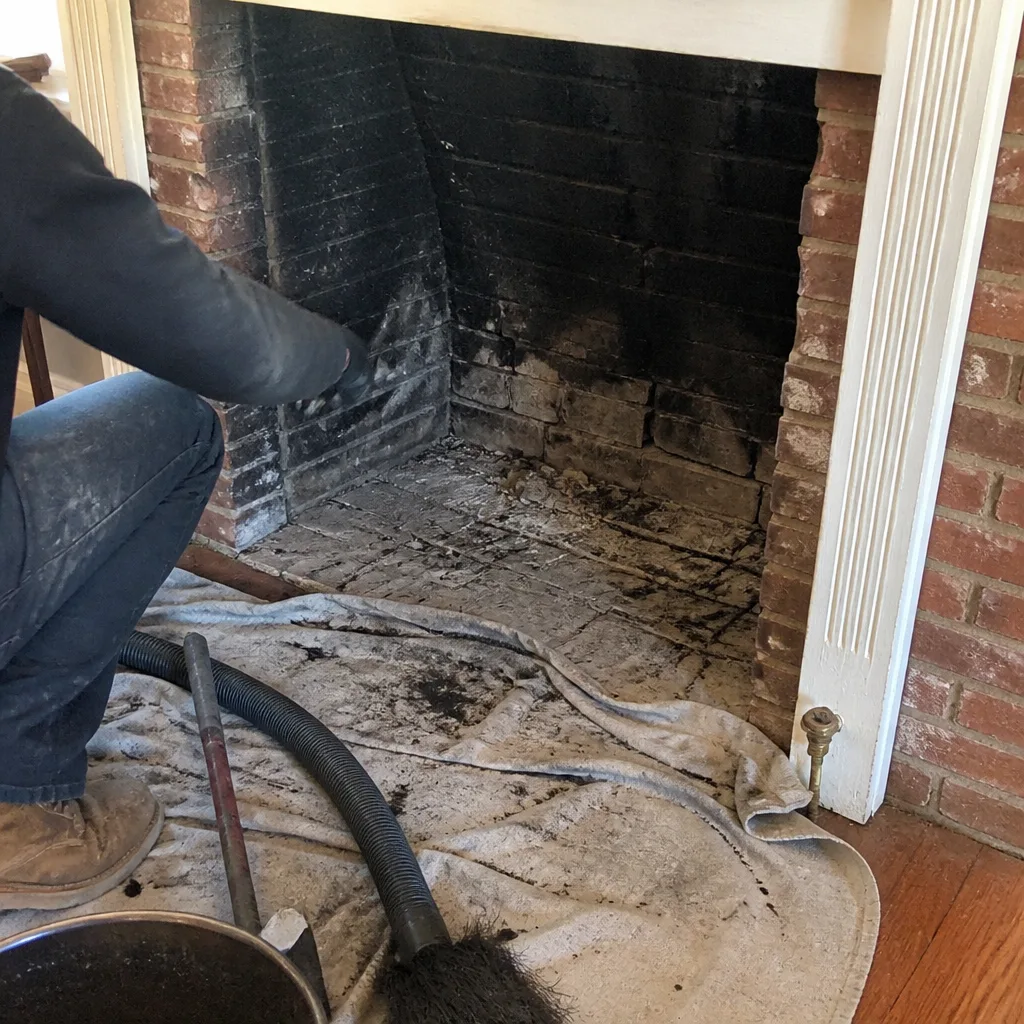 Before
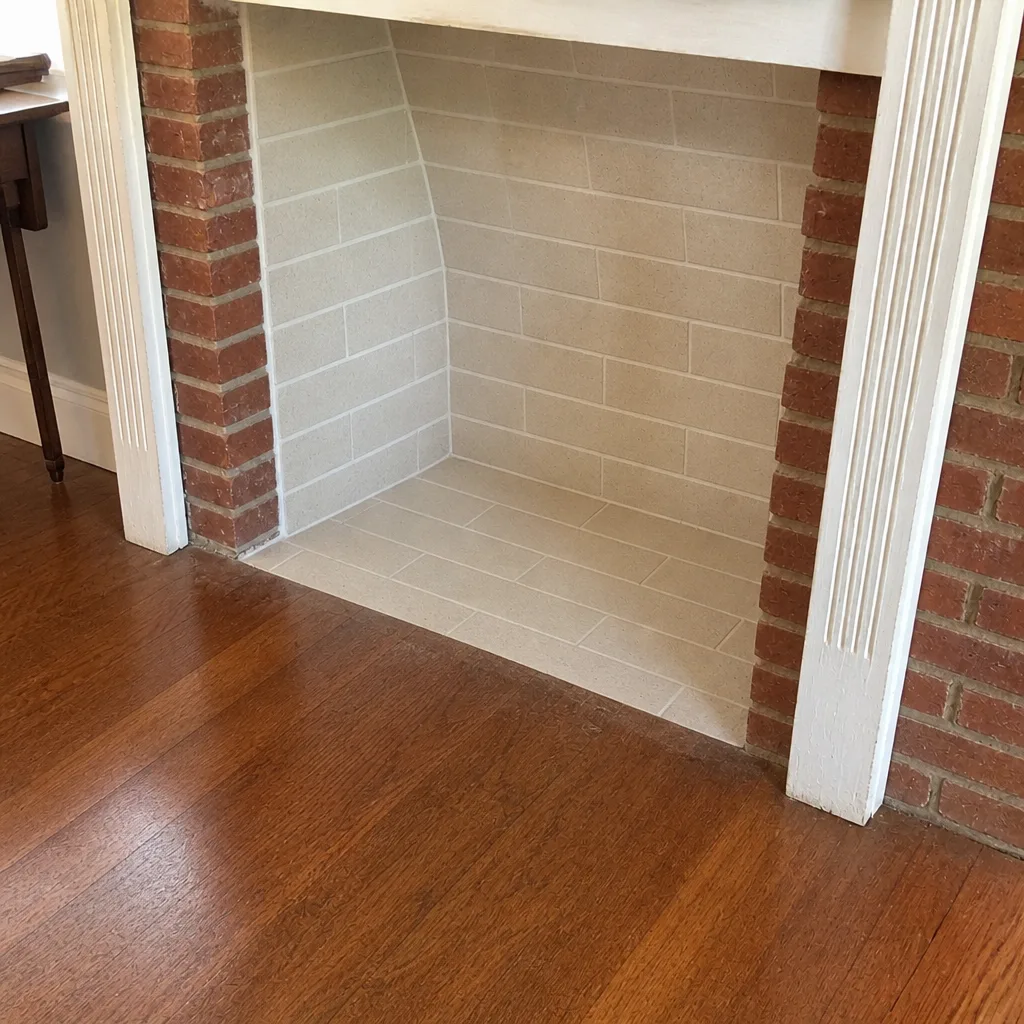 After
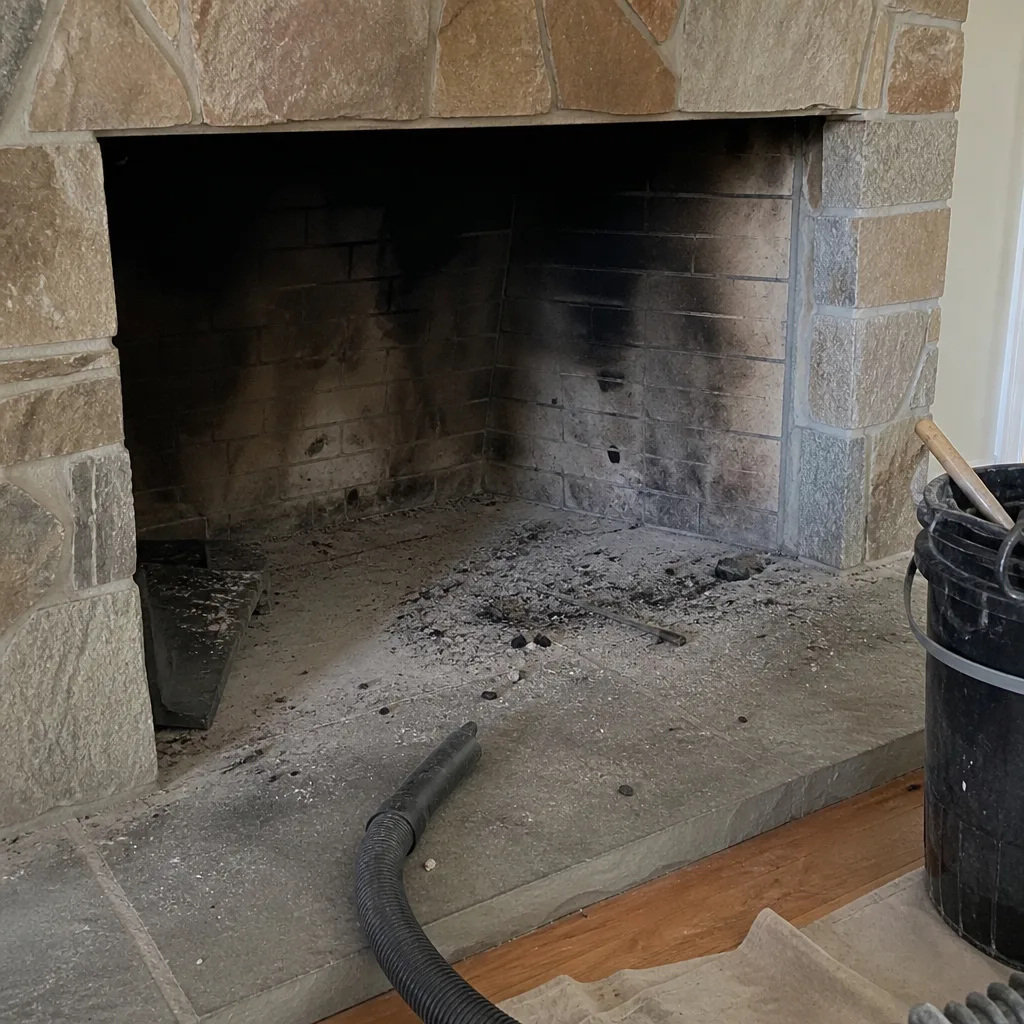 Before
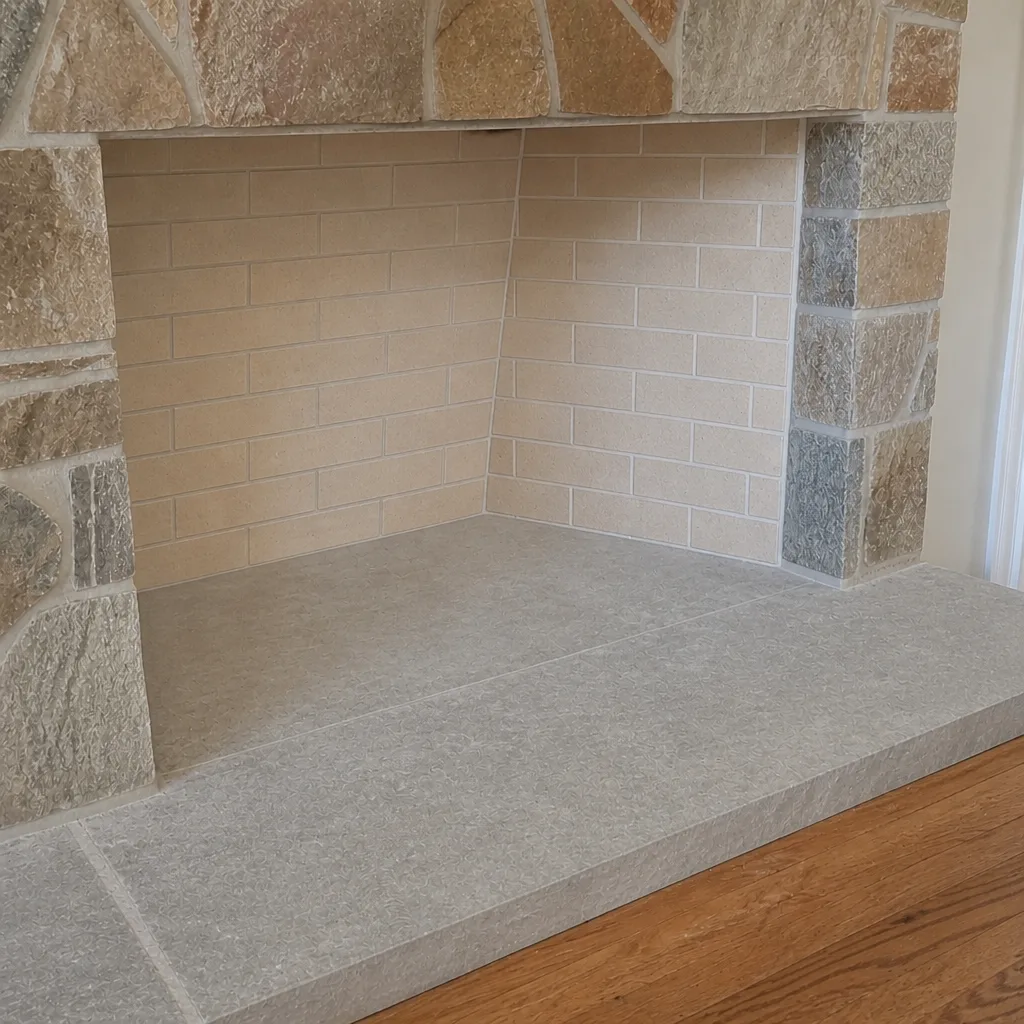 After
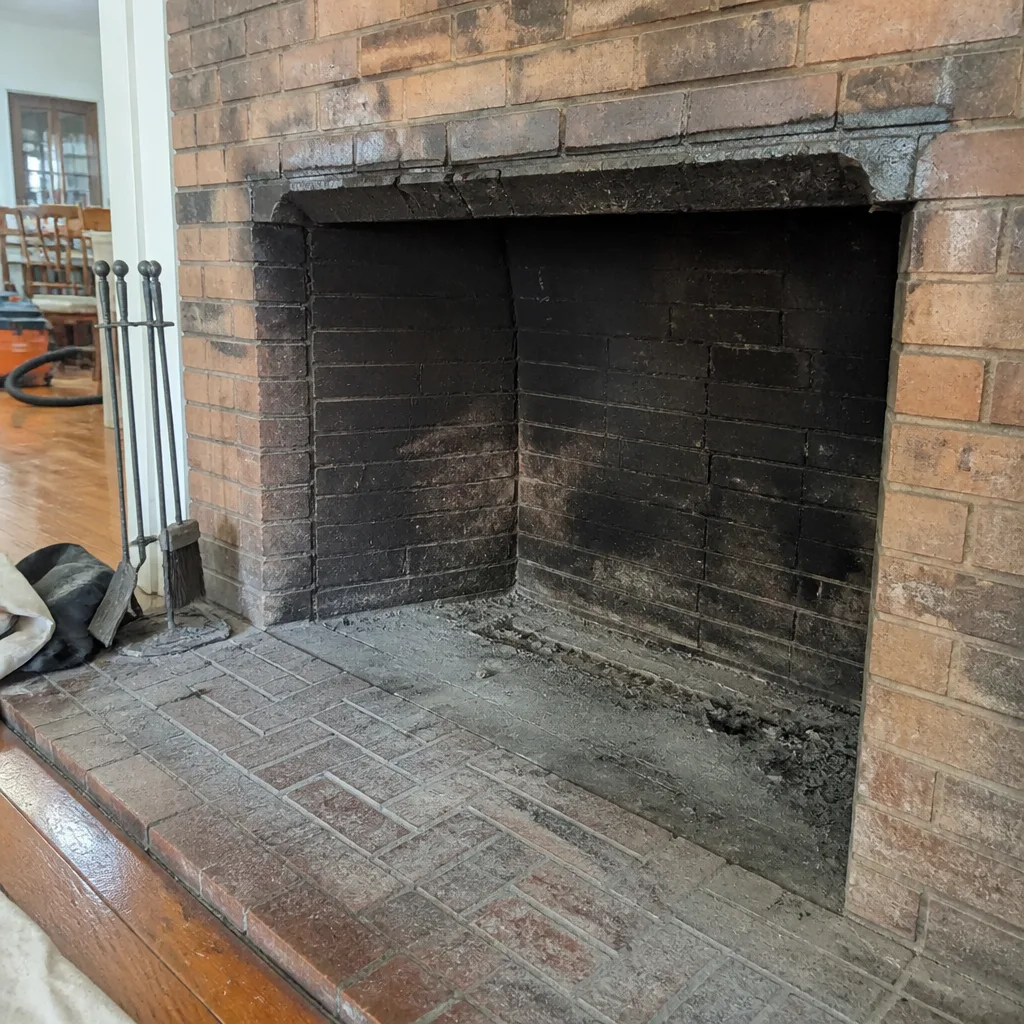 Before
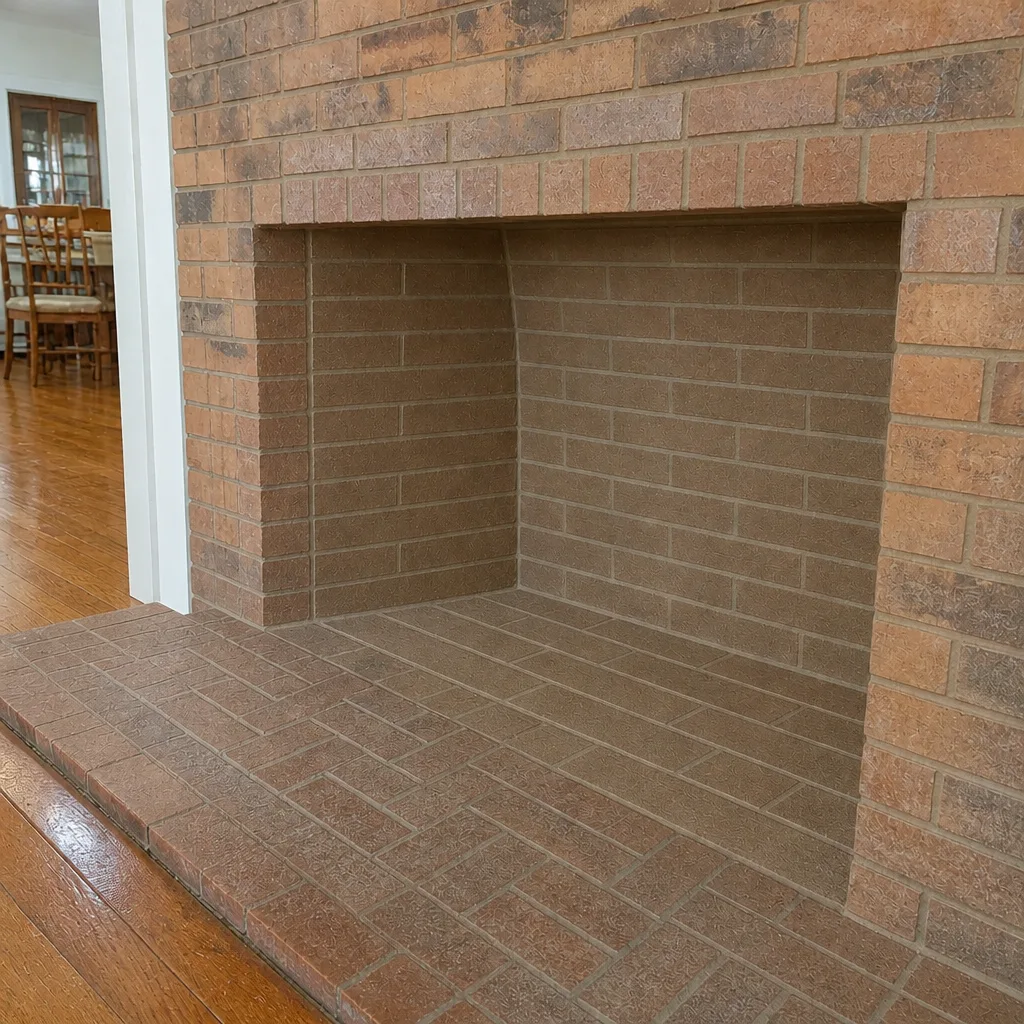 After
When to Call a Professional
Some issues are worth a call even if the flue seems fine. If you haven’t had the chimney inspected since you moved into the house, if the fireplace hasn’t been used in a season or more, or if you’re hearing a draft or smelling smoke indoors, those are all reasons to bring in a specialist. In Wilmington, hurricane-season storm damage to a cap or crown is another common trigger; the masonry may look intact from the ground and still have water intrusion at the top.
If you’re planning a liner replacement, a repair after a chimney fire, or a camera inspection to see the flue interior, this is not a DIY job. The products matter, and the installation matters even more. Wilmington Chimney Cleaning offers free estimates in Wilmington. Call (855) 947-5166. We answer 24/7. Fast dispatch from 7am to 7pm, Sunday through Friday.
Frequently Asked Questions
The brands a Wilmington chimney specialist most often works with are DuraFlex for flexible stainless liner systems, HeatShield for flue resurfacing, and Famco and Copperfield for caps, dampers, and venting components. Each of these appears in manufacturer literature and carries its own warranty and installation spec. Homeowners should hear specific names in return when they ask a contractor what they use; a vague answer is worth a follow-up.
Ask for the brand and model name, and then ask for the manufacturer’s warranty in writing. A professional-grade product has a documented temperature rating, a listed spec sheet, and a manufacturer warranty. A hardware-store substitute usually has none of those, and the contractor usually can’t name the brand on request. If they can’t produce paperwork, the material is likely generic.
It depends on the condition of the clay liner. Small cracks, pits, and thinning are often repairable with a resurfacing system like HeatShield, which extends the liner’s life without a tear-out. Spalled or displaced tiles typically call for a full flexible liner. The right answer comes from looking at the flue with a camera, not from a phone conversation alone.
It generally can, because branded stainless liners have tested corrosion and temperature ratings that a generic product doesn’t publish. Wilmington’s humidity and storm season put more stress on the flue than a dry climate does. A product with a documented rating is easier to hold accountable, and that’s most of the value of the brand.
HeatShield resurfaces the existing clay liner from the inside, sealing cracks and restoring a smooth flue surface without a tear-out. DuraFlex is a flexible stainless liner system used when the existing liner is too far gone to resurface. Both are professional-grade products; they solve different problems. A specialist should be able to explain the choice for your specific flue.
Yes, for the same reason the liner does. The cap and the crown are what keep water out of the masonry, and in Wilmington’s rain-heavy climate, cheap components fail faster and let water into the brick and framing. Famco and Copperfield caps and professional-tier crown sealants are engineered to work with the system rather than around it. The brand is the honesty check.
The Bottom Line
Chimney brands matter because the products behind them carry the ratings, specs, and warranties that protect your home. DuraFlex, HeatShield, Famco and Copperfield are names that exist because chimney professionals have spent decades refining the products against real failure. In Wilmington, where humidity and storm season punish the top and interior of every chimney, the quality of the material installed is the difference between a repair that holds and one that recurs. When you hire a Wilmington Chimney Cleaning specialist, the questions in this guide should come back with specific answers. That specificity is the whole test. Wilmington homeowners deserve a flue built with the right part for their chimney, not the closest substitute on the shelf.
Written by the team at Wilmington Chimney Cleaning.