
Last updated November 16, 2026
 Sweep & inspection
 Caps & crowns
 Flue relining
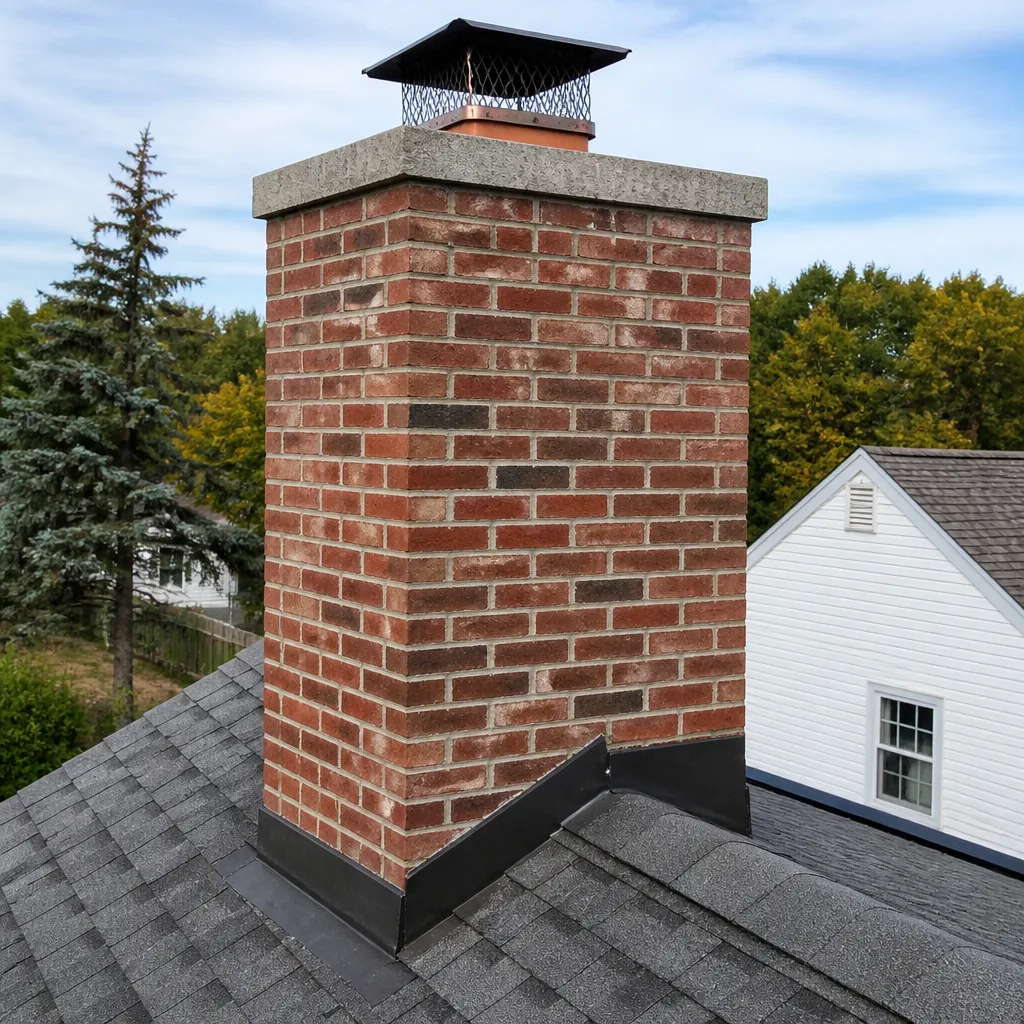 Masonry repair
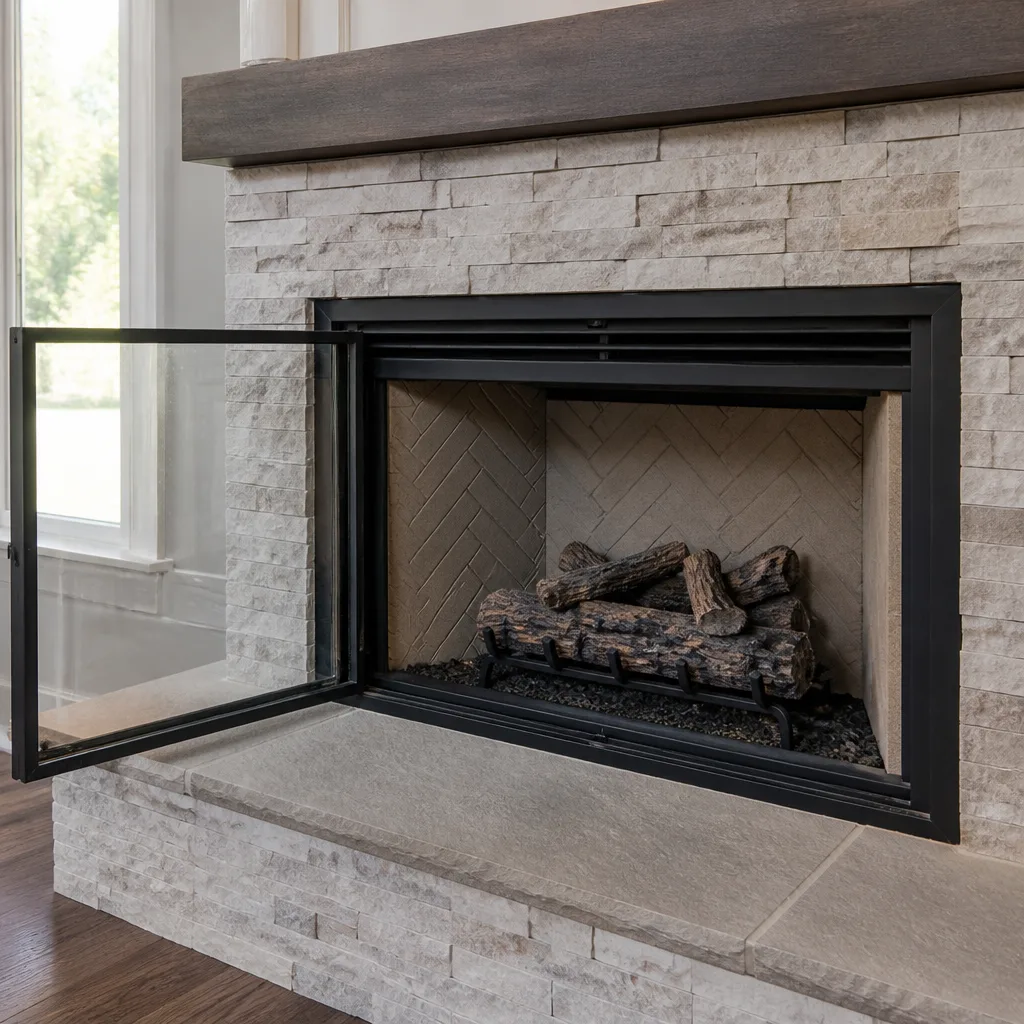 Gas fireplace service
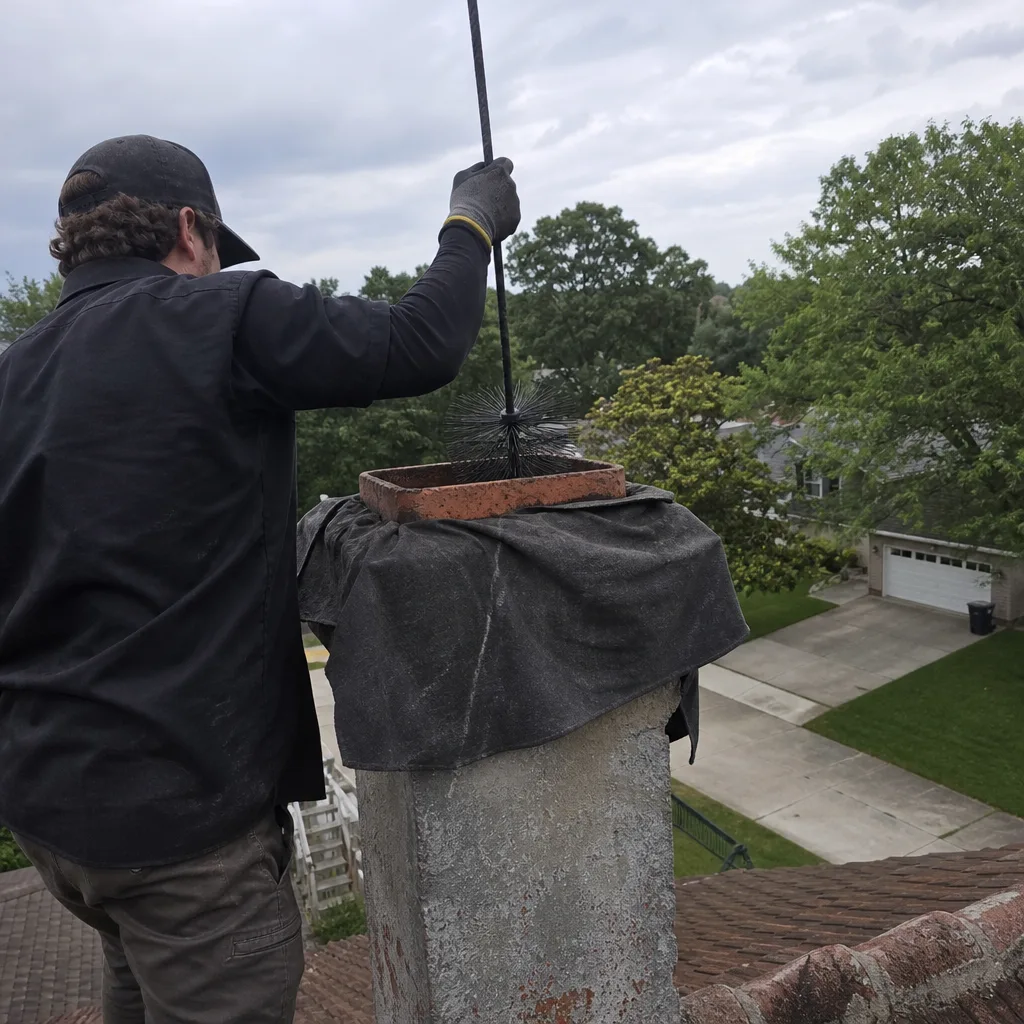
Level 1 sweep and inspection to the NFPA 211 annual standard - flue, crown, cap, and flashing checked and photographed
Chimney sweep logs do not sweep chimneys. They loosen some creosote - which then falls where a brush and vacuum still have to collect it.
Chimney Sweep Troubleshooting in Wilmington: Common Problems and How to Fix Them
If smoke is pushing back into your living room, the natural instinct is to blame the flue. It’s a reasonable guess, but it’s wrong more often than you’d think. Many of the chimney problems we see around Wilmington start somewhere else entirely, and a homeowner who treats the wrong symptom ends up paying for a fix that never touches the actual cause. What you need is a way to match what you’re seeing to what’s really going on. This guide maps the specific warning signs to their likely causes, shows you how local conditions shape the problem, and tells you which issues you can monitor and which mean your fireplace is off limits until a professional looks at it.
Quick Answer
Most chimney problems fall into one of four cause trees: draft and airflow issues, moisture damage, creosote buildup, or structural wear. Each produces a distinct symptom, so troubleshooting starts with identifying the symptom before you assume the fix. A smoky smell with no fire, for example, points to moisture and creosote, while smoke rolling back when you burn points to draft. Knowing which one you have keeps you from paying for work your chimney doesn’t need.
Styles & brands we work with
- Sweep & inspection
- Caps & crowns
- Flue relining
- Masonry repair
- Gas fireplace service
Table of Contents
- Symptom-to-Cause Mapping: Four Trees to Compare First
- Smoke Rollback and Weak Draft: Why Your Fireplace Won’t Pull
- How Wilmington’s Humidity Ages Mortar and Mimics Draft Problems
- The Smoky Smell With No Fire Burning
- Visible Cracking: What It Tells You About the Flue
- Monitor or Ground It: Which Problems Can Wait
- What You Can Check From the Firebox Before You Call
- Common Mistakes to Avoid
- When to Call a Professional
- Frequently Asked Questions
Symptom-to-Cause Mapping: Four Trees to Compare First
Before you call anyone, you need to know which of the four main cause trees you’re standing under. That single step avoids the most common-and most expensive-mistake in chimney troubleshooting: treating a moisture problem like a draft problem. Here’s how the trees break down in real homes.
Tree 1: Draft and airflow. Your symptoms are smoke entering the room when you open the damper, a fire that smolders no matter how much kindling you use, or a smell of smoke that appears only when another appliance (bathroom fan, furnace) is running. Airflow problems trace to a flue that’s too short or too narrow, a closed or jammed damper, a clogged flue, or negative pressure that competes with the exhaust. This tree is about air, not structure.
Tree 2: Moisture and creosote. Symptoms are a damp, smoky, almost acrid smell when the chimney is cold, black soot collecting faster than it should, or rust stains appearing on the firebox or damper. This is the chimney staying wet and holding combustion byproducts. The clue is timing: the smell shows up before you’ve lit a fire.
Tree 3: Structural wear. Symptoms are visible cracks in the firebox, flakes of mortar on the hearth, or chunks of hardened creosote dropping from the flue. Structural wear means the flue liner or masonry joints are degrading and need a camera inspection to understand the depth.
Tree 4: Mechanical parts. The chimney cap, damper, and rain cover fail in their own ways. A missing cap lets debris in, a stuck damper blocks the flue, and a warped cap can send wind-driven rain straight down the chimney. Because a Wilmington home can hold several of these at once, a quick sweep and inspection is what actually tells you the tree you’re dealing with. Call (855) 947-5166 for a free estimate if you’re unsure where to start.
Smoke Rollback and Weak Draft: Why Your Fireplace Won’t Pull
Smoke rolling back into the room is the most dramatic chimney symptom and the least structurally alarming, in most cases. Nine times out of ten it’s a draft problem, and draft problems are usually solved without tearing into walls. Here’s how the draft tree sorts out.
Weak draft can come from several directions. The flue might be too short for the house, especially when an addition or a taller roofline shades the chimney. It might be too narrow for the appliance, or partially closed by a jammed damper or a nest left by a bird or squirrel. And it might be competing with negative pressure created by an exhaust fan or furnace running nearby.
- Check the obvious first. Confirm the damper is fully open and the firebox isn’t full of cold ash.
- Warm the flue. A cold flue the size of yours can push smoke into the room until it warms up. A rolled newspaper held near the open damper is the traditional way to test this, but do it briefly and carefully.
- Watch the timing. Smoke that rolls back only in certain wind directions points to a cap or chimney-height problem, not to creosote.
- Look for competition. If the fireplace only smokes when the bath fan or furnace runs, you likely have negative pressure, and a technician should confirm the fix.
Wilmington’s summer humidity can make weak draft feel worse, because damp, cool flues and stagnant air both fight a fire. That doesn’t mean the problem is permanent; it means the fix needs to account for local conditions. When the draft tree has been exhausted and smoke still returns, our chimney repair team can camera the flue and check the cap, damper, and liner joints in one visit. The cost of a proper diagnosis is far less than the cost of guessing.
How Wilmington’s Humidity Ages Mortar and Mimics Draft Problems
Wilmington’s coastal humidity doesn’t just make summer days sticky. It quietly ages masonry. Brick and mortar are porous, and the constant cycle of absorbing moisture and then drying through hot afternoons forces water in and out of the joints thousands of times over the years. The result is spalling: chunks of brick face flaking away and mortar joints eroding and softening. Water is the enemy that never sleeps, and it loves a chimney crown that’s cracked.
The cruel joke is that this kind of deterioration mimics draft problems. A chimney crown that’s partially collapsed or heavily cracked lets water run straight down into the flue, dampening the creosote and cooling the chimney interior. A cold, saturated chimney pulls poorly, so the homeowner blames the flue size or the damper while the actual culprit is a 20-year-old crown leaking a little water every rain.
Several signs point specifically to moisture damage rather than draft:
- Flakes of mortar or brick on the roof of the chimney and the surrounding area, often after heavy rain.
- Rust corrosion on the damper, the firebox grate, or the cap.
- White, chalky powder on the bricks (efflorescence), which is dissolved salts left behind by water passing through.
- A smell that’s worse in the damp season and fades when the house is dry.
If any of these are present, the fix isn’t more kindling. It’s a sweep and inspection to establish how much of the flue is damp and how much of the crown is compromised. That’s exactly the point where the right materials matter, and one of the reasons we use professional-grade product lines from HeatShield and Copperfield rather than whatever the nearest hardware aisle offers. The right part for your flue is not always the closest substitute. If you’ve spotted spalling in Wilmington, one call to (855) 947-5166 covers sweep and inspection together.
The Smoky Smell With No Fire Burning
A smoky smell in a chimney with no fire burning is almost always moisture and creosote, not a structural failure. Creosote is the tar-like residue left when wood doesn’t burn cleanly. When the chimney is warm it sits quietly. When the air cools and gets humid, the creosote absorbs water, swells, and releases that acrid, campfire smell into the room. The chimney isn’t broken. It’s holding old combustion residue and it’s damp.
The smell is common in homes with wood-burning or gas insert systems that sit unused for part of the year, and it’s worse in humid months. Before you assume the worst, work through this short order of operations:
- Check whether the smell is constant or intermittent. Smell that appears only when the house is humid, or only in the morning, points to moisture in the creosote. Smell that is heavy, chemical, or present year-round may point to an abandoned flue or another appliance venting into the chimney.
- Smell for a dead animal. A bird, squirrel, or raccoon in the flue produces a smell that’s sharp and very different from creosote. That’s a sweep-and-remove job, not a repair.
- Look at the firebox. Soot falling or heavy black deposits that seem to grow when the chimney is unused support the creosote theory.
- Check the damper. A damper stuck slightly open lets a small amount of inside air escape up the flue, which pulls smells back down through the same path.
If the moisture-and-creosote reading holds up, the correct action sequence is a sweep followed by a camera inspection. That order matters, because a technician can’t evaluate the flue liner accurately until the creosote is cleared. It also means you’re not paying for a repair before anyone has seen the actual condition of the flue. Our chimney sweep includes the inspection, so the diagnosis comes with the cleaning rather than as a separate bill. If the smell is what’s bothering you in Wilmington, that first visit is the place to start.
Visible Cracking: What It Tells You About the Flue
Cracking is where visual inspection starts to matter. Some cracks are cosmetic and some are serious, and the only way to tell the difference is to understand where the crack is and how deep it goes. Here’s the practical breakdown a homeowner can use to sort what they’re seeing.
Hairline cracks in the firebox brick are common and usually monitored, not repaired. They’re a sign of normal heating and cooling across the masonry. Note them on a calendar, watch for growth, and let the next inspection confirm whether they’ve moved.
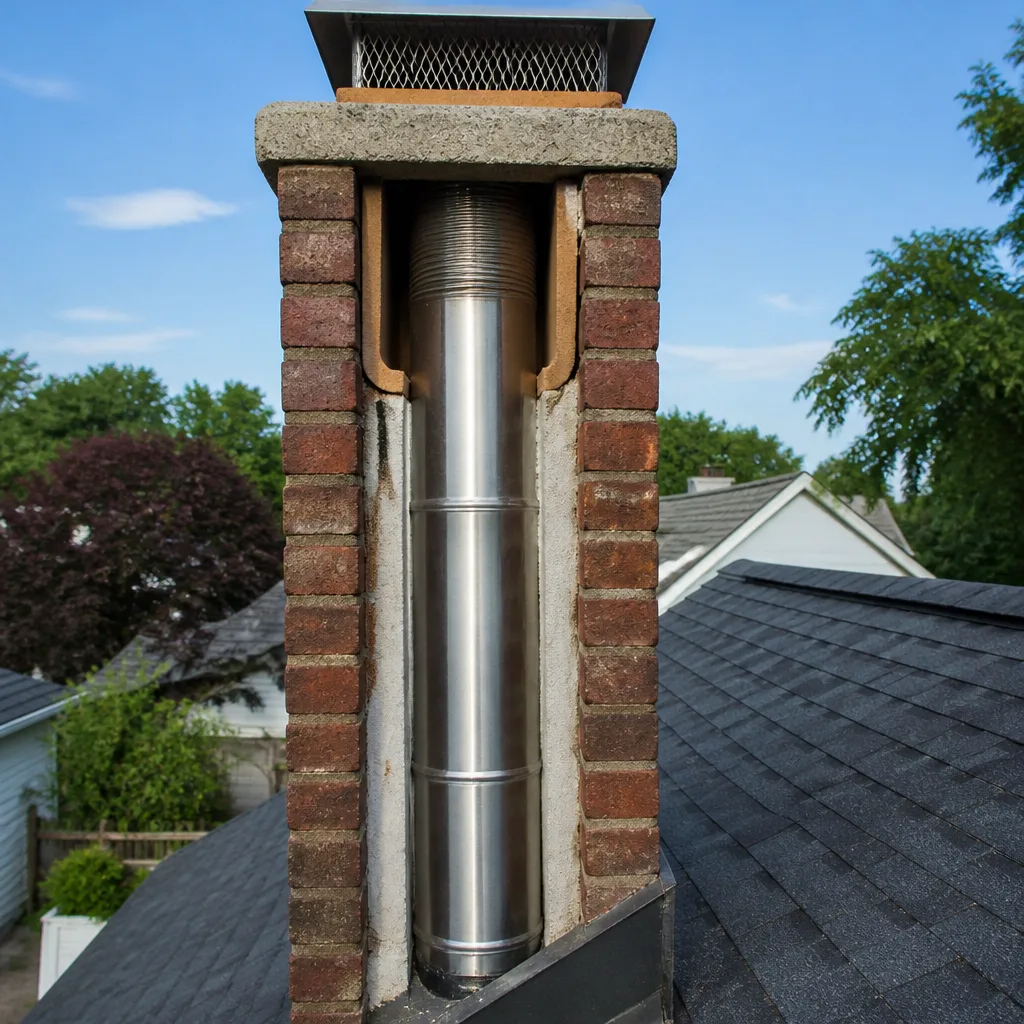
Cracks in the flue tile liner are a different story. The liner is what keeps hot gases and creosote away from the house structure, and a cracked liner means those gases can escape into wall cavities. That’s serious. It’s exactly the reason a camera inspection exists, because a homeowner can’t see the liner from the firebox or the roof. The technician runs a camera down the flue and photographs what’s there, so you see the same evidence they do.
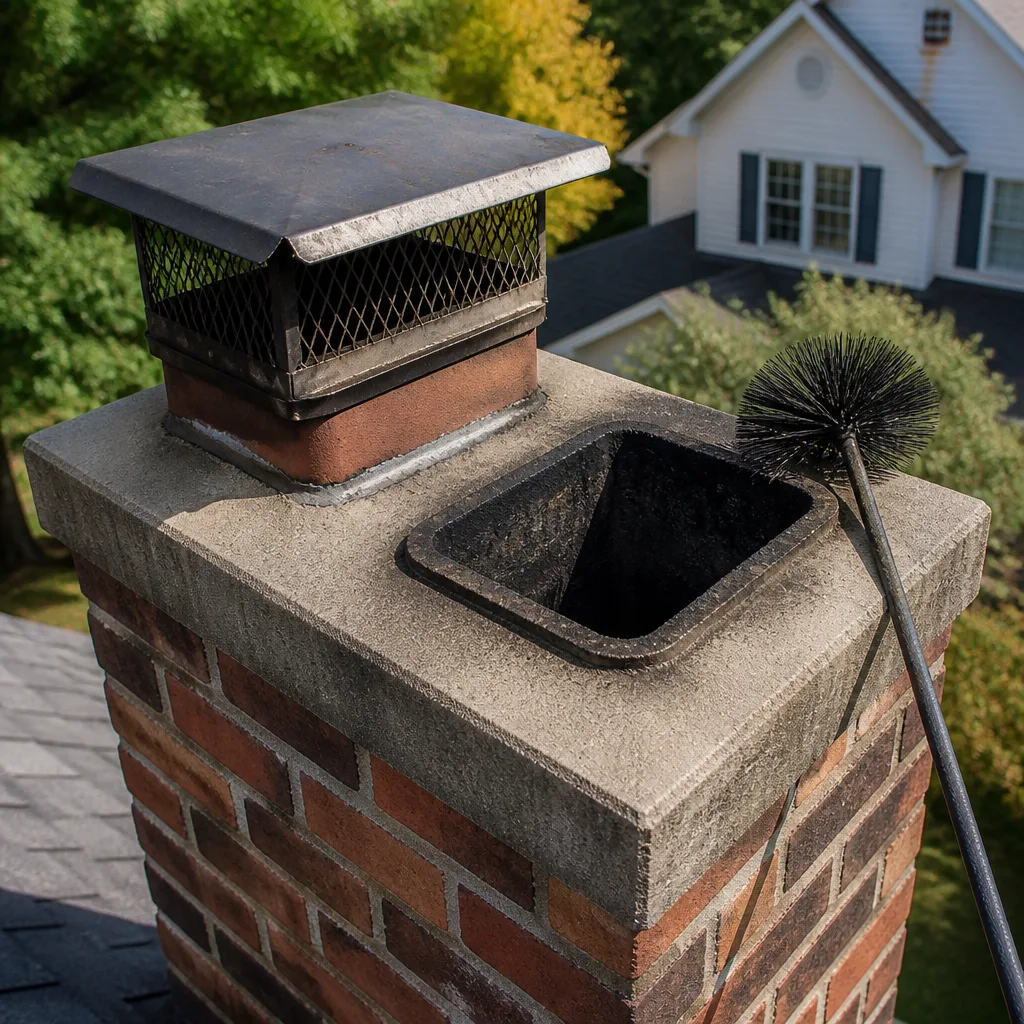
Cracks in the chimney crown (the concrete cap on top) belong to the moisture tree. A crown with a visible split or that has partially fallen away channels water down the flue and into the masonry. The fix may be as straightforward as resurfacing the crown.
Chunks falling into the firebox are the loudest warning. Hard flakes of creosote or pieces of tile that drop from above suggest the flue liner is breaking down and the chimney should be taken out of service until it’s inspected. This is a case where “monitor it” doesn’t apply.
If you’ve found cracking, the right next step is a visual check from the roof and a camera down the flue. We can work with your schedule and call it a day once we know what we’re dealing with. Call (855) 947-5166.
Monitor or Ground It: Which Problems Can Wait
The most useful skill in chimney troubleshooting is knowing when you can safely wait and when the fireplace is off limits. Many homeowners either panic over a cosmetic crack or keep burning through a real problem. Here’s the line.
Safe to monitor:
- Hairline firebox cracks that haven’t grown or changed since you noted them.
- A smoky smell when the chimney is unused, once you’ve confirmed the chimney is otherwise clear and the problem is moisture and creosote.
- Flaking mortar on the exterior that doesn’t reveal soft or missing joints underneath.
- Occasional smoke rollback on very cold mornings, when the flue is otherwise clear.
Off limits until inspected:
- Any crack in the flue liner or any tile or creosote falling into the firebox.
- A chimney cap that’s missing, or a crown that’s partially collapsed.
- Smoke that rolls back every time you burn, regardless of weather or atmospheric conditions.
- A gas smell, a strong chemical smell, or a smell you can’t place that appears with the fireplace running.
- Any visible damage after a storm or a chimney fire. If you suspect a chimney fire has occurred, stop using the fireplace immediately and have the chimney inspected before the next burn.
When in doubt, a sweep and inspection settles it. We can tell you plainly whether a problem is safe to monitor and when to look at it again. That’s honest guidance, not a sales pitch. Reach the team at (855) 947-5166 for a free estimate.
What You Can Check From the Firebox Before You Call
You don’t need a ladder to gather useful information. Before you call anyone, spend ten minutes with a flashlight and a camera phone. This is what a technician will ask you about, and what you find will help them understand the problem before they arrive.
- Look up the firebox with a flashlight. Look for black creosote build-up, cracked or loose brick, or shiny, glazed deposits. Glazed creosote is a warning that the chimney is getting too hot or that the wood is burning poorly.
- Check the damper. Open and close it several times. It should move without binding or grinding, and it should fully close. A damper that sticks open lets a cold draft (and rain) into the firebox.
- Look at the firebox floor and hearth. Note any soot, flakes, or pieces of debris. Pieces that look like gray tile or hardened tar came from somewhere above.
- Smell the chimney. With the damper closed, put your nose near the firebox. A damp, smoky smell is creosote and moisture. A sharp, chemical smell might mean something else is venting into the chimney.
- Note the timing. Write down when the symptom appears: only when the fire is burning, only when the house is humid, only on windy days. This detail is the single most useful thing you can tell a technician.
- Photograph it. Take clear photos of anything that looks unusual. The camera sees what you saw, and the technician can look back at the image later.
What you can’t check from the firebox is the one thing that matters most: the inside of the flue. That requires a camera inspection. A flashlight and a phone can’t show you whether the flue liner is cracked, how much creosote is in the flue, or whether the crown has failed. Those are the parts of the job that call for a professional. Our technicians have up to 13 years of experience and do exactly this kind of camera work on every visit. If you want an honest look at your chimney, call (855) 947-5166. We answer 24/7. Fast dispatch from 7am to 7pm.
Common Mistakes to Avoid
- Diagnosing draft from the firebox alone. Smoke rollback can come from a cracked crown, a saturated flue, or a blocked cap. Check the whole system, or you’ll pay for the wrong repair.
- Burning through a smoky smell. A damp, smoky smell with no fire is a moisture-and-creosote issue. Lighting a fire in a damp chimney can make the problem worse and push smoke into the room.
- Assuming a firebox crack is cosmetic without measuring it. Take a photo and note the date. If the crack grows, it stops being a cosmetic issue.
- Skipping the camera inspection because the sweep was clean. A clean flue doesn’t mean the liner or crown is sound. The two checks are separate jobs, and they matter for different reasons.
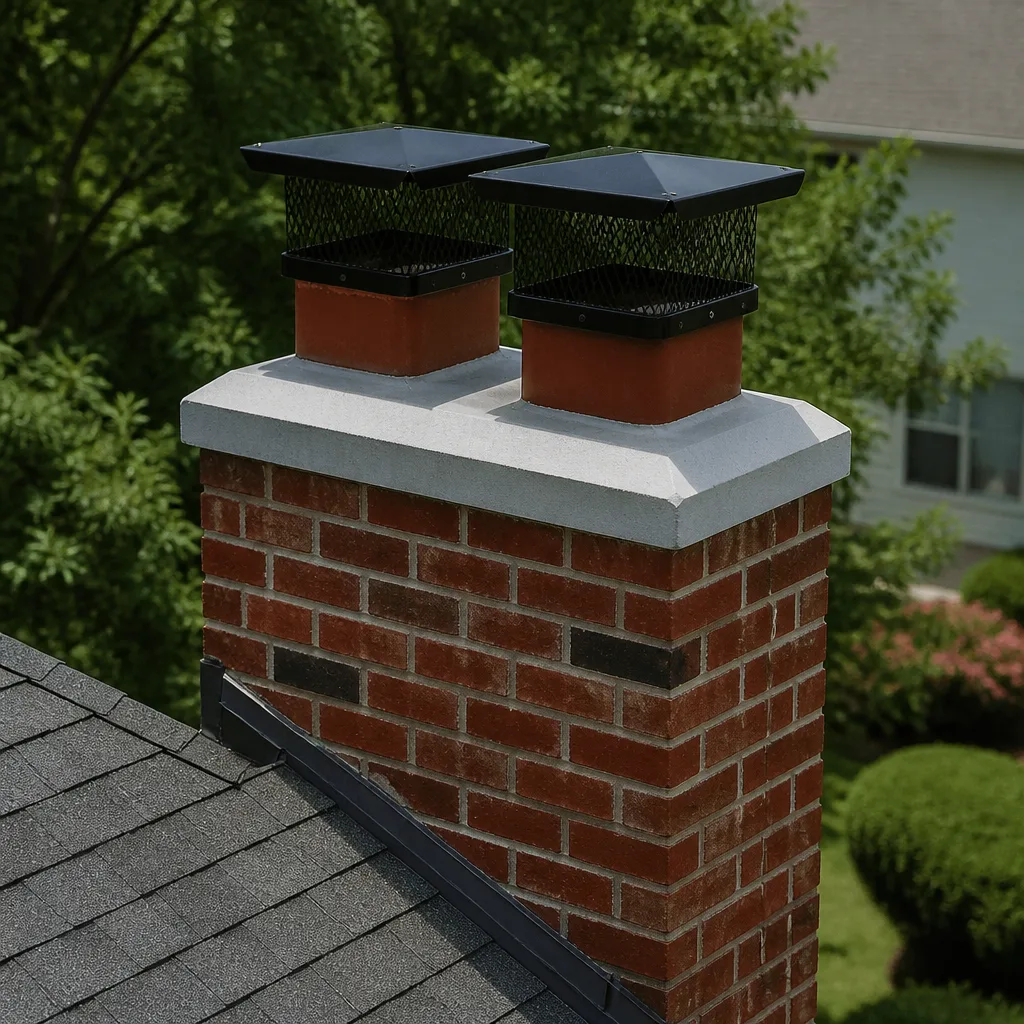
- Letting a missing or broken cap stay that way. A cap keeps water, birds, and debris out of the flue. Replacing it is inexpensive compared to the damage a decade of missing cover causes.
- Adding a decorative cap or a screen that restricts airflow. A screen that’s too fine can choke a weak draft. If the fireplace smokes after a new cap, start there.
- Ignoring the timing. A symptom that occurs only on humid, damp mornings in Wilmington is a moisture problem. A symptom that occurs on every burn is a draft or structural problem. Write down the timing so the technician can follow the right tree.
When to Call a Professional
Call a professional when the symptom falls in the “off limits until inspected” list above, when you find creosote or tile falling into the firebox, or when you have a smoky smell that doesn’t go away after the chimney has been swept. Also call when the smoke rolls back every time you light a fire, or when you’ve spotted a chimney crown that’s cracked or collapsing. The reason is simple: those symptoms require a camera inspection and, often, a repair that a homeowner can’t do safely. A chimney that isn’t pulling is a chimney that isn’t venting. A chimney cap is a small part that keeps rain out. A sweep and inspection tells you which one you need. We offer free estimates and can arrange a visit. Call (855) 947-5166. We answer 24/7. Fast dispatch from 7am to 7pm, Sunday through Friday.
Frequently Asked Questions
Most chimney sweeps in the Wilmington area fall in the range you’d expect for a professional visit, though the exact price depends on the number of flues and what’s found during the sweep. Call (855) 947-5166 for an exact quote. Estimates are free.
Not always. If the liner is cracked or deteriorating, a HeatShield flue resurfacing system can often extend its life without a full replacement, and that’s a repair path worth asking about first. The camera inspection shows you the actual condition of the liner before any decision is made, so you see the evidence the technician uses. Call (855) 947-5166 and we’ll walk you through the options.
Once a year is the usual recommendation for a wood-burning fireplace in regular use, and more often if you burn a lot of wood over the season. A gas insert or a fireplace you use only occasionally may only need inspection rather than a sweep. If it’s been more than a year in Wilmington, book a visit before the next cold snap.
Creosote builds up in the flue, moisture collects in unmaintained masonry, and small problems become bigger ones. The risk worth taking seriously is a chimney fire, which often starts quietly in the flue and can go unnoticed until the damage is serious. A sweep and inspection catches it early. Call (855) 947-5166 to schedule a visit.
A smoky smell with no fire is almost always moisture mixed with creosote in the flue. Humidity in the air and cool evenings in Wilmington cause the creosote to absorb water and release that acrid smell into the room. A sweep clears the creosote, and an inspection confirms whether the dampness is coming from a crown or a leak. Call (855) 947-5166 for a free estimate.
No. A chimney fire can crack the liner and loosen masonry even if the house looks fine afterward. Stop using the fireplace immediately and have the chimney inspected with a camera before you burn again. Call (855) 947-5166 and we’ll arrange a visit.
The Bottom Line
The key to chimney troubleshooting is matching the symptom to the cause tree. Smoke rollback usually means draft. A smoky smell with no fire means moisture and creosote. Visible cracking points to structural wear, and a missing cap or a cracked crown is a mechanical failure. The problem is that Wilmington’s humid climate makes moisture damage mimic draft problems, so a homeowner who treats the wrong tree keeps paying for repairs that don’t help. Check what you can from the firebox, note the timing, and get the right diagnosis from a camera inspection before anyone quotes a fix. The team at Wilmington Chimney Cleaning works with professional-grade materials from lines like HeatShield, Gelco, Olympia Chimney, and Famco, and one visit covers sweep, inspection, and any repair the chimney actually needs. Our technicians have up to 13 years of experience, and we offer free estimates in Wilmington. Call (855) 947-5166. We answer 24/7. Fast dispatch from 7am to 7pm, Sunday through Friday.
Written by the team at Wilmington Chimney Cleaning.
See the difference
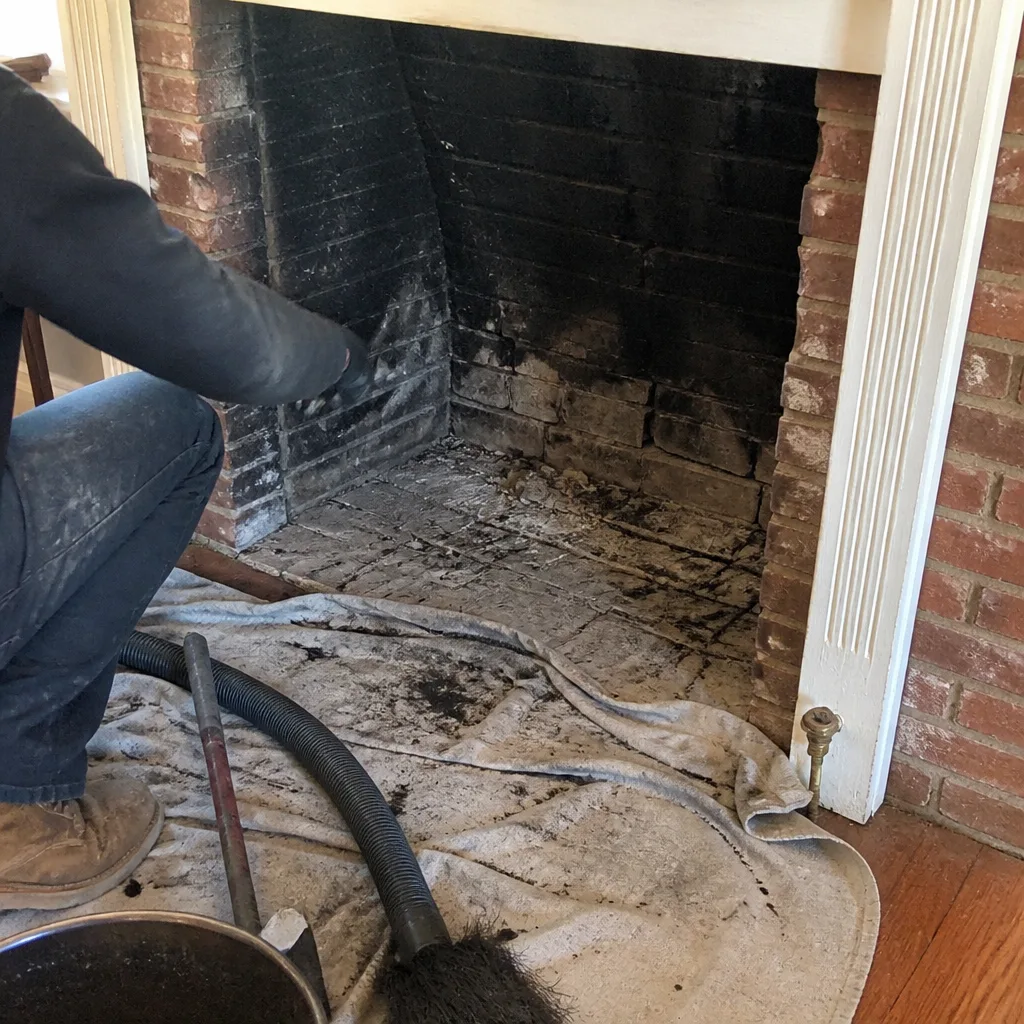 Before
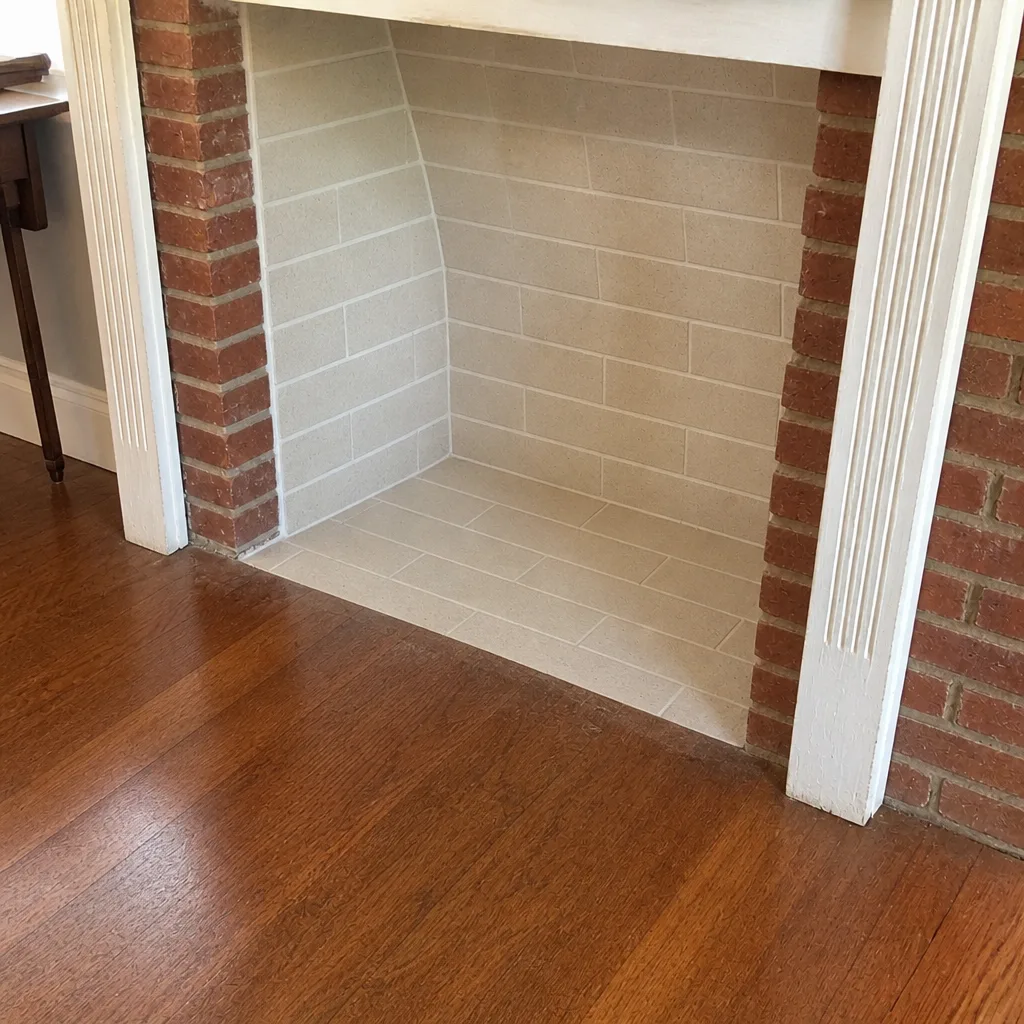 After
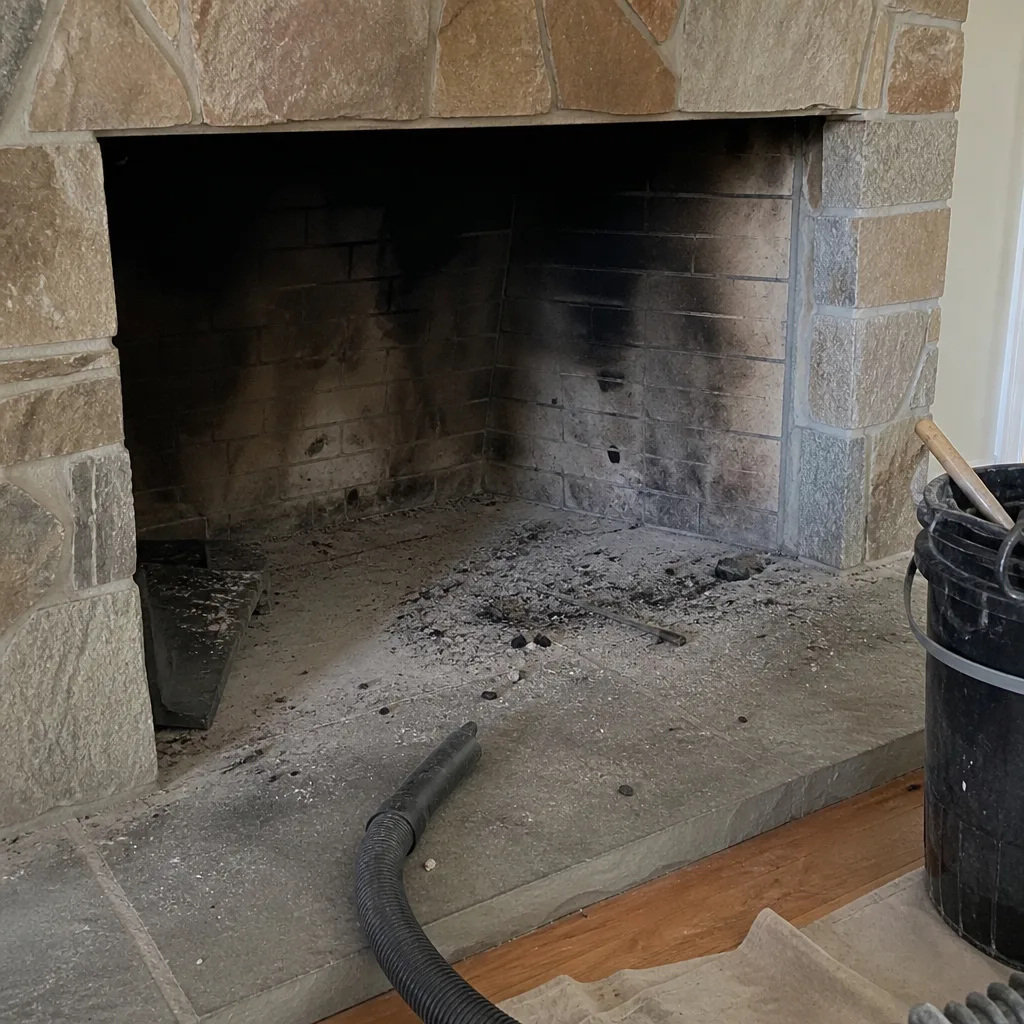 Before
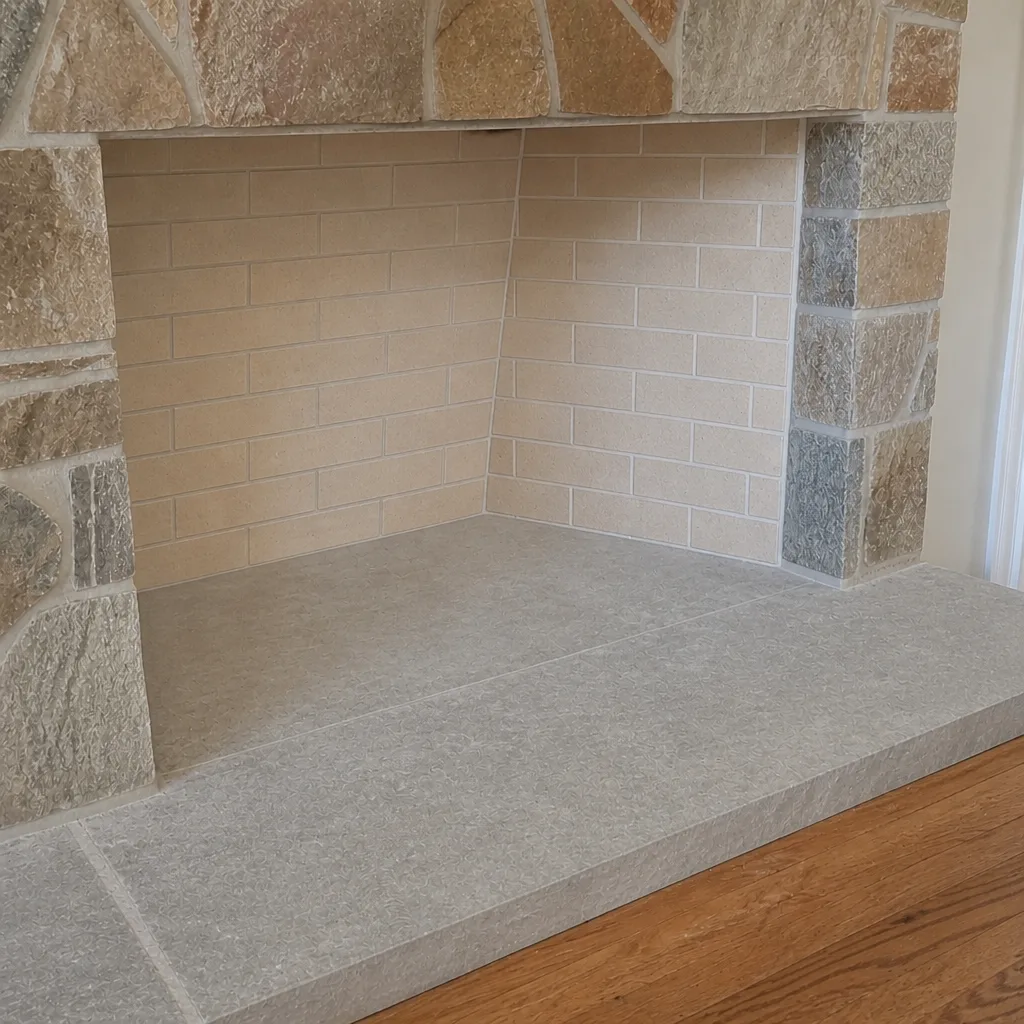 After
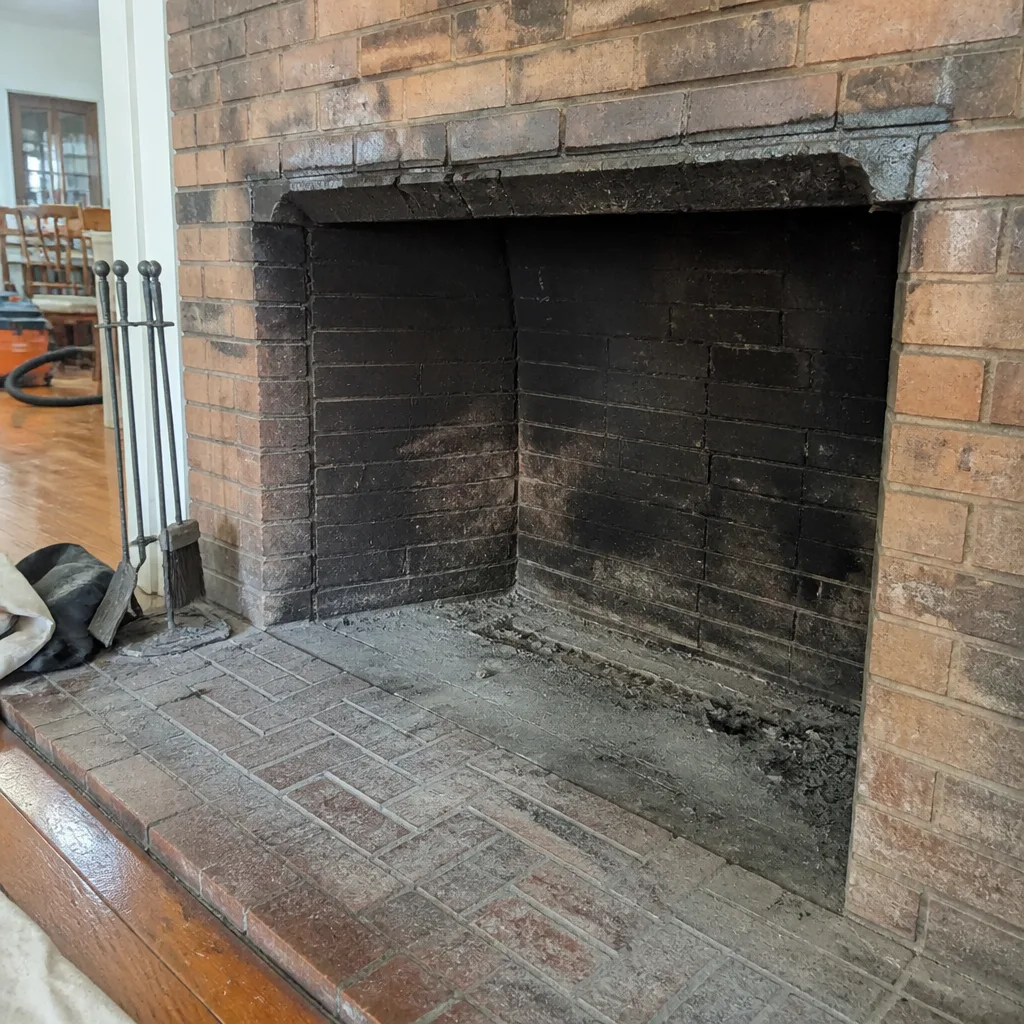 Before
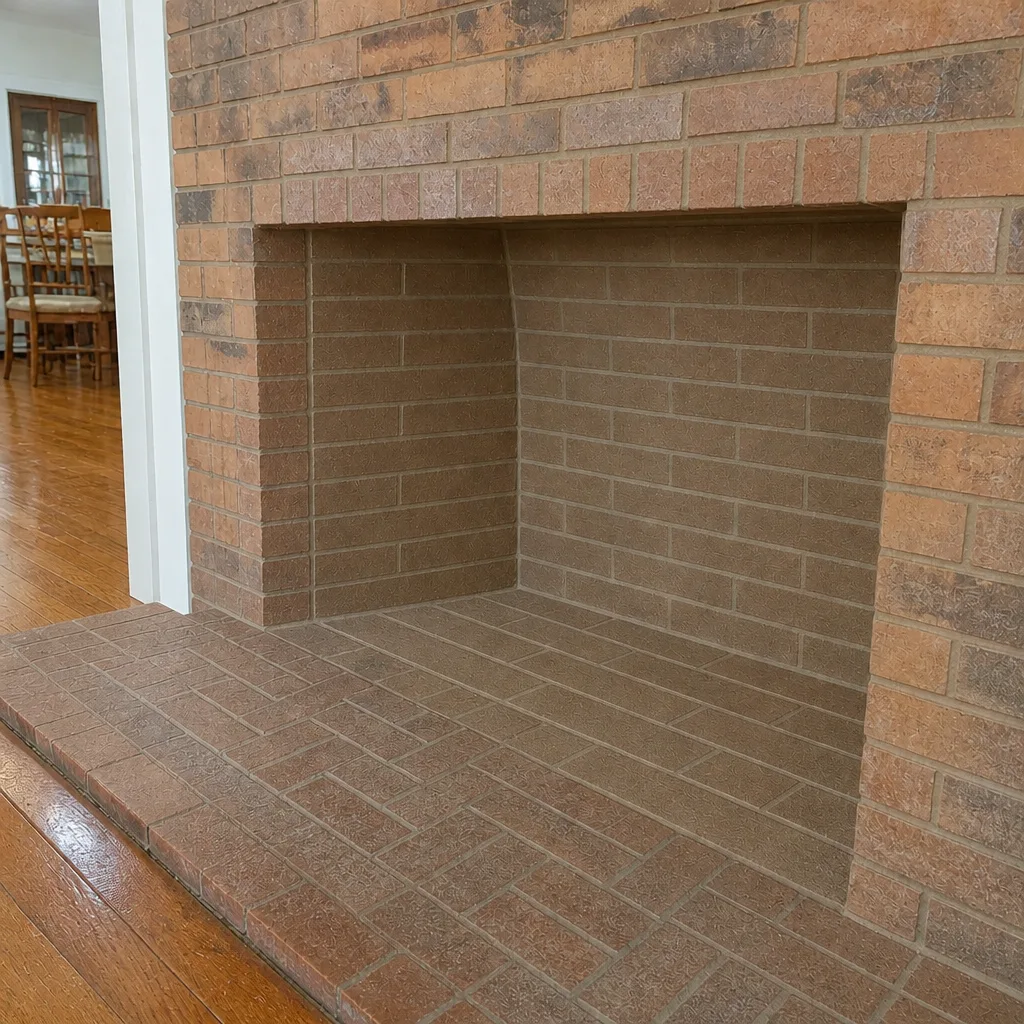 After